 Spanish
Your Emergency Restoration Go-Bag: What to Keep on Hand
Florida is no stranger to the unexpected. Whether it’s a tropical storm rolling in from the Gulf, a sudden pipe burst at two in the morning, or a slow leak behind a bathroom wall that finally makes itself known, water damage in Orlando is not a matter of if, it’s a matter of when. For homeowners, vacation property owners, and businesses alike, those first critical minutes after a water event can mean the difference between a manageable repair and a catastrophic loss.
Most people know to have a first-aid kit. Many keep a hurricane supply box in the garage. But very few have what we call an “Emergency Restoration Go-Bag”, a curated set of tools, documents, and supplies that empowers you to take smart, immediate action before our professionals arrive.
This guide walks you through exactly what to keep on hand, how to use it, and when to call us for Orlando Water Damage Restoration before the damage spirals out of control.
Why Orlando Homeowners Face a Unique Risk
Central Florida’s climate creates a perfect storm, sometimes literally, for water damage and mold. The combination of high humidity, frequent afternoon thunderstorms, aging infrastructure in many neighborhoods, and the sheer number of vacation and rental properties means that water intrusion events happen more often here than in most parts of the country.
For vacation homeowners especially, the risk is compounded by absence. A slow leak under a sink in your primary residence might get caught in a day or two. That same leak in an Airbnb or vacation rental you visit quarterly could go undetected for weeks, creating ideal conditions for mold growth and structural damage that requires our full Mold Removal Orlando services.
According to FEMA’s flood damage recovery resources, their data shows that floodwater can begin causing permanent structural damage within hours, and mold can begin developing on wet surfaces in as little as 24 to 48 hours. That timeline is unforgiving. Being prepared with the right supplies is not paranoia, it’s basic property ownership responsibility in Florida.
What Exactly Is an Emergency Restoration Go-Bag?
Think of it as your water damage first-response kit. It’s a physical bag, bin, or shelf in your home that contains everything you need to take safe, effective action in the first hour of a water emergency. It also includes digital and paper documents that will speed up your insurance claims and your communication with our team.
Unlike a general emergency kit, this one is specifically designed around the most common disasters facing Orlando homeowners: water intrusion, flooding, and mold events.
Let’s break it down into categories.
Category 1: Protective Personal Safety Gear
Before you do anything else in a water emergency, you need to protect yourself. Standing water in your home may be contaminated with sewage, bacteria, or chemicals. Wet materials can harbor mold spores. This is non-negotiable.
What to Keep Ready
N95 or P100 Respirator Masks: Standard dust masks are insufficient. If there is any chance of mold exposure or sewer contamination, you need a proper respirator rated for fine particles. The U.S. Environmental Protection Agency outlines in their mold remediation guidelines that proper respiratory protection is essential during any mold-related cleanup.
Nitrile Gloves (Heavy Duty): Latex-free, long-cuffed, and waterproof. Keep at least two pairs per adult in your household. These protect against contaminated water, cleaning chemicals, and direct mold contact.
Waterproof Rubber Boots: Particularly important for flooding scenarios. Electrical hazards are real in flooded rooms, and open cuts or sores exposed to contaminated floodwater create serious infection risks.
Safety Goggles: Splashing contaminated water or disturbing mold colonies can send spores and particles into your eyes. Sealed, splash-proof goggles are ideal.
Disposable Tyvek Coveralls: If you have to enter a heavily contaminated or flooded space, having full-body coverage prevents cross-contamination to other areas of the home.
Keep all of this in a clearly labeled waterproof bag or bin. We recommend inspecting it annually to replace expired or degraded items.
Category 2: Water Control and Damage Limitation Tools
Your goal in the first few minutes of a water event is to stop the source, if possible, and slow the spread. These tools help you do that safely.
What to Keep Ready
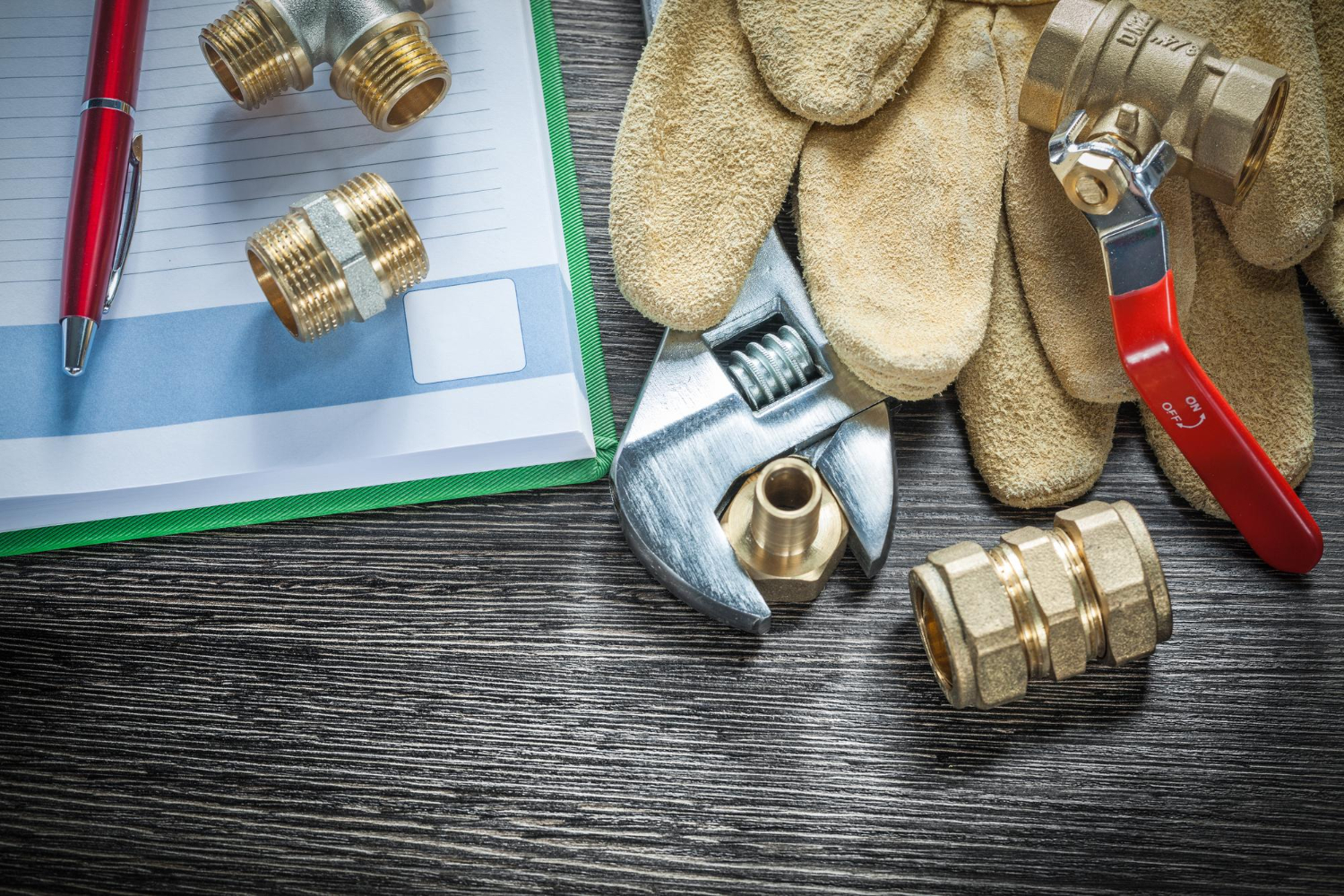
Shutoff Tool or Wrench: Every Orlando homeowner should know where their main water shutoff valve is and be able to operate it. Many older homes have valves that are stiff or difficult to turn. A dedicated shutoff tool or an adjustable wrench kept in the go-bag ensures you can cut the water quickly.
Waterproof Flashlight and Extra Batteries: Water emergencies often affect electrical systems. You may need to navigate your home in the dark or inspect tight spaces. A waterproof LED flashlight rated for at least IPX4 is a sound investment.
Submersible Sump Pump (Small, Portable): For significant flooding, a small portable sump pump can remove hundreds of gallons per hour. These are available at hardware stores for under $100 and can dramatically reduce the volume of water you are dealing with before our team arrives.
Wet/Dry Vacuum: For smaller water events, a dishwasher overflow, a toilet supply line failure, a wet/dry vacuum lets you extract standing water quickly. It is also useful for cleanup after a sump pump has handled the bulk.
Heavy-Duty Plastic Sheeting and Duct Tape: Roof leaks during a storm, broken windows letting in rain, or temporary barriers to keep water from spreading into unaffected areas, plastic sheeting is one of the most versatile tools in any emergency kit. Keep at least a 10-by-20-foot roll.
Mop, Squeegee, and Absorbent Towels: Old-fashioned but effective. After mechanical water removal, manual absorption helps get remaining moisture off floors and walls. The faster a surface dries, the lower your mold risk.
Dehumidifier: Even a mid-grade portable dehumidifier can begin lowering ambient humidity in a room, buying time before our restoration team arrives. In Florida’s already humid climate, this matters enormously.
Category 3: Documentation and Insurance Essentials
This may be the most overlooked part of any emergency go-bag. When disaster strikes, your mind is on stopping the damage, but the documentation you capture in the first hour often determines how smoothly your insurance claim proceeds.
What to Keep Ready
Waterproof Document Folder or Fireproof Safe: Inside this, keep paper copies of: your homeowner’s or renter’s insurance policy with the claims phone number highlighted, your insurance card, a home inventory document, photos of your home’s baseline condition, and the serial numbers and purchase receipts for major appliances.
Fully Charged Power Bank: Your phone is your most important tool in an emergency. A 20,000mAh power bank keeps you photographing, calling, and coordinating for hours. Keep it charged.
Dedicated Photo Protocol: Before touching anything, walk the affected area and photograph everything. Shoot wide angles, close-ups of visible damage, water levels, affected materials, and anything that shows the source of water entry. Timestamp everything. Insurance adjusters are trained to look for pre-existing conditions; thorough early documentation protects you.
Contact List (Laminated): Include your insurance company’s 24/7 claims line, our emergency number, your plumber, your landlord or property manager if applicable, and the local utility company. When you are stressed and your phone battery is dying, a laminated card is priceless.
Copy of Your Home Inventory: A room-by-room inventory of your belongings, ideally with photos and estimated values, makes the contents portion of an insurance claim dramatically easier to process.
For vacation property owners, we recommend keeping a separate digital copy of all these documents in a secure cloud folder you can access from anywhere. A flooded rental property in Orlando when you are living in another state requires the ability to mobilize remotely and fast.
Category 4: Mold Prevention Supplies
Water and mold are inseparable in Florida. The CDC’s resources on water damage and health impacts make clear in their published guidance that mold can begin colonizing wet materials within 24 to 48 hours. Your go-bag should include supplies specifically designed to disrupt that process.
What to Keep Ready
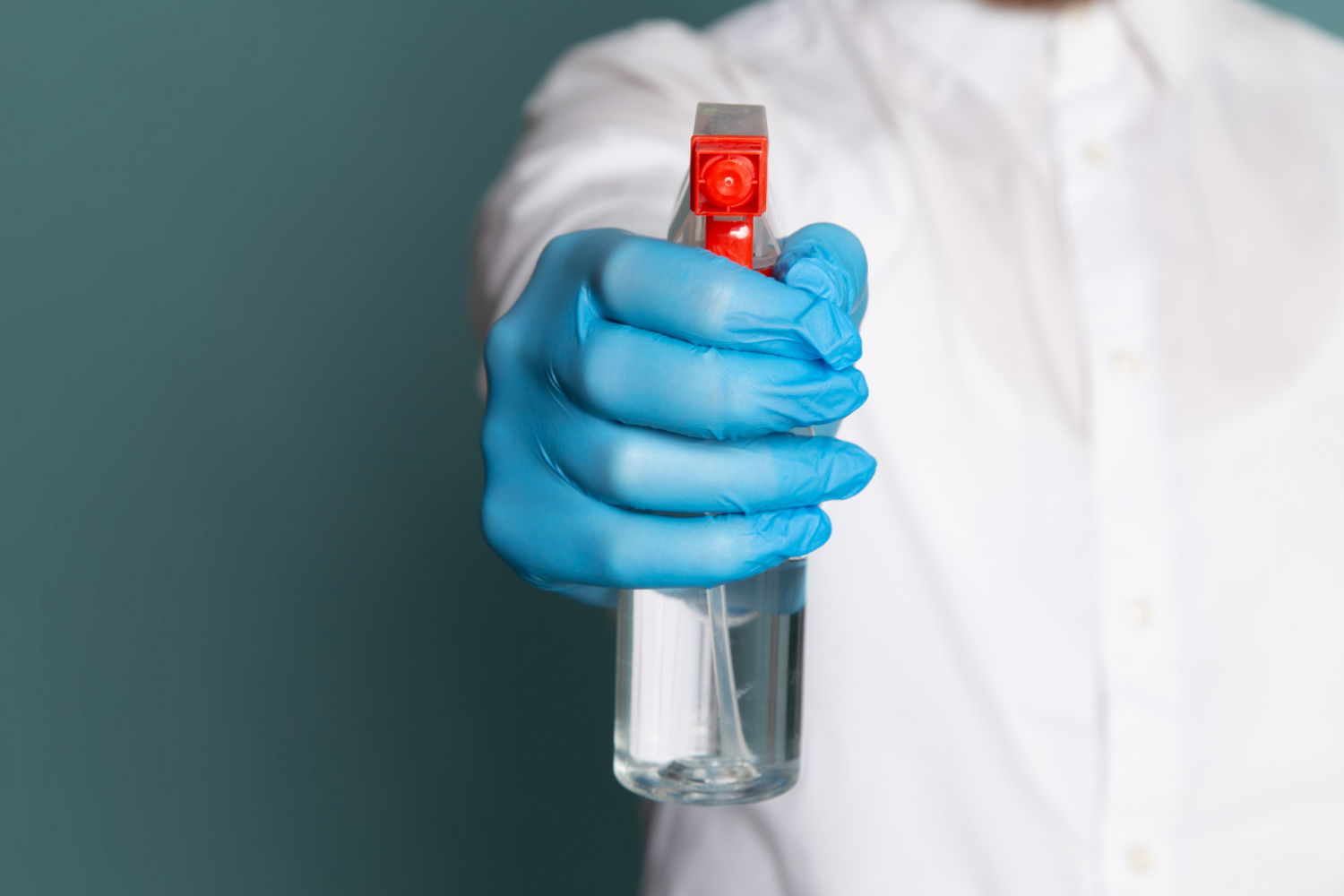
Antimicrobial Spray or Concentrate: EPA-registered antimicrobial products labeled for mold prevention can be applied to wet surfaces to slow or inhibit mold growth while you wait for our team. We strongly advise against using bleach as your primary tool, it evaporates quickly, does not penetrate porous materials, and can create harmful fumes in enclosed spaces.
Mold Test Strips: Basic visual mold test kits allow you to identify areas of active mold growth. While they are not a substitute for professional air quality testing and our 24 Hour Mold Removal Services Orlando assessment, they give you a starting point for identifying problem areas before we arrive.
Hygrometer (Humidity Gauge): A simple digital hygrometer tells you the relative humidity in any room. Above 60% humidity creates conditions favorable for mold. Above 70% and mold becomes almost inevitable on wet materials. This device helps you monitor the situation in real time and give us accurate information when you call.
Painter’s Tape and Markers: Use these to mark off affected areas, label materials you have identified as wet or suspect, and communicate clearly with our restoration team when we arrive. In multi-room events, clear visual marking saves us time and reduces your costs.
Category 5: Your Emergency Communication Plan
Tools and supplies are only half the equation. The other half is knowing what to do, who to call, in what order, and when to call us.
Your First-Hour Protocol
Minute 1–5: Assess and protect yourself. Put on your PPE before entering any water-affected area. Assess whether it is safe to enter, no visible electrical hazards, no smell of gas, no structural instability.
Minute 5–10: Stop the source. If it is a plumbing failure, shut off the water main. If it is a roof leak or storm entry, contain with plastic sheeting. If it is a sewage backup, do not touch anything, call us immediately.
Minute 10–20: Document everything. Photo and video documentation before any cleanup begins.
Minute 20–30: Call our team. Not tomorrow. Not in the morning. Now. The difference between calling at the one-hour mark and the six-hour mark is often the difference between surface remediation and full structural drying and mold treatment. Our 24/7 Emergency Restoration Orlando service exists precisely because water damage does not wait for business hours.
Minute 30–60: Begin water extraction. Using your sump pump, wet/dry vacuum, mops, and towels, begin removing standing water and wet materials. Open windows and doors if outdoor humidity is lower than indoor levels. Run your dehumidifier.
Ongoing: Notify your insurance company. Use your laminated contact card and your documented photos to start the claims process. Our team is experienced working alongside insurance adjusters and can assist you through this process.
Special Considerations for Vacation and Rental Property Owners
If you own a vacation home, short-term rental, or investment property in the Orlando area, your go-bag strategy needs an additional layer of planning, because you may not be on-site when disaster strikes.
Smart Water Sensors: Battery-powered wireless leak detectors placed under sinks, near water heaters, and beside washing machines send alerts to your phone the moment water is detected. For around $20–$30 per unit, these sensors have saved property owners thousands of dollars in secondary damage.
Trusted Local Contact: Identify a neighbor, property manager, or local contact who has a key to your property and knows the location of your main water shutoff, your electrical panel, and your HVAC unit. Give them our emergency number and your insurance information.
Pre-Arranged Restoration Agreement: We serve Orlando and surrounding Central Florida communities as a trusted Orlando Restoration Company, and we can discuss options for ensuring your property gets fast, professional attention even when you cannot be there in person.
Remote Camera System: A basic smart camera in a common area like the main living space or garage allows you to visually assess the scale of a situation in real time before dispatching your local contact or calling our emergency line.
Seasonal Preparedness: When to Refresh Your Go-Bag
Orlando’s weather follows a predictable seasonal rhythm that should inform when you audit and restock your emergency supplies.
Before Hurricane Season (May–June), This is your primary annual go-bag checkup. Replace expired respirators, restock gloves and towels, ensure your dehumidifier and sump pump are functioning, and update your document folder with current insurance policies.
After Major Storm Events, After any hurricane, tropical storm, or significant flooding event, inspect your go-bag for depleted or damaged items and restock before the next event.
When You Change Smoke Detector Batteries (Twice Yearly), Use this habit as a trigger to check your power bank charge level and replace any expired disposable items.
When Your Insurance Policy Renews, Update the copy in your document folder immediately so our team always has your current policy information when we need it.
Knowing When Your Go-Bag Is Not Enough
Your emergency restoration go-bag is a powerful first-response tool. It is not a replacement for our professional services. There are specific scenarios where attempting DIY remediation makes things significantly worse, and knowing the line is critical.
Call us immediately if:
Any sewage or black water is involved. Category 3 water, which includes sewage backups and floodwater that has contacted contaminated surfaces, presents serious health risks that require our professional remediation team, specialized equipment, and proper disposal protocols.
You can see or smell mold. Visible mold growth means the problem has already progressed past the prevention stage. Disturbing mold colonies without proper containment and air filtration spreads spores throughout the property. Our Orlando Emergency Mold Remediation process requires certified technicians, negative air pressure containment, HEPA filtration, and proper disposal, none of which a consumer product can replicate.
Structural materials are saturated. Drywall, insulation, subfloor, and framing that have absorbed water will not dry adequately with consumer-grade equipment. Our team uses professional drying systems and, when necessary, performs controlled demolition and replacement to fully restore affected areas.
The affected area exceeds what you can safely manage. If more than one room is involved, if the ceiling shows water intrusion, or if the event was caused by a storm that may have also compromised your roof or foundation, call us fast.
The faster our certified team performs Orlando Water Clean Up & Restoration, the less secondary damage accumulates and the more of your property, and your investment, we can save.
We Are Ready When You Need Us
No emergency restoration go-bag is complete without the number of a team you trust to answer when disaster strikes. We have served homeowners and businesses across the Orlando metropolitan area since 2014, providing certified, professional, and compassionate restoration services around the clock.
Whether you are facing a burst pipe, a flooded garage, storm damage, or a mold problem discovered in a vacation rental, our team is here. We respond fast, we work directly with your insurance company, and we restore your property to safe, livable condition using eco-conscious methods and industry-certified processes.
Do not wait for the damage to deepen. Call us right now at (407) 800-9204 for a free evaluation, or visit goinggreenrestorationusa.com to schedule your assessment online. Our team answers 24 hours a day, 7 days a week, because water damage never takes a day off, and neither do we.
Posted on Behalf of Going Green Restoration USA