 Spanish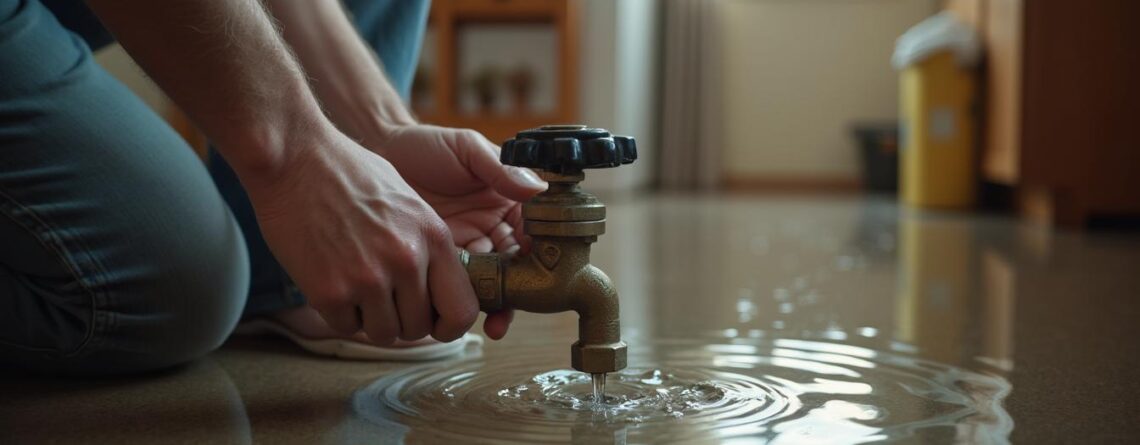
What to Do in the First 24 Hours After Water Damage
Water damage rarely arrives at a convenient time. A pipe bursts overnight, a water heater fails while you are at work, or a Florida storm pushes water under the door before you even realize the rain has started. Whatever the cause, the hours right after you discover the water matter more than almost anything else you will do afterward. The choices you make in the first day shape how much you lose, how much you spend, and whether a manageable cleanup turns into a mold problem.
We put together this guide to walk you through those first 24 hours calmly and in order. As a veteran-owned restoration company that has served Orlando and the surrounding areas since 2014, we have seen how quickly a small leak can spread. The good news is that homeowners who act quickly and safely almost always come out ahead. Here is exactly what to do, step by step.
Is It Safe to Walk Into the Room?
Before you save a single belonging, protect yourself, because water and electricity together can turn an ordinary room into a serious hazard. Standing water can hide live electrical current, submerged outlets, and slippery footing, and it is never worth risking an injury to grab a rug or a box.
Start with these safety checks:
- Cut the power. If you can reach your breaker panel safely and without stepping into water, shut off electricity to the affected area. If the panel itself is wet or you would have to stand in water to reach it, stay out and call an electrician or your utility.
- Avoid the water if it may be contaminated. Water from a clean supply line is one thing; water from a sewer backup, a toilet overflow, or an outdoor flood can carry bacteria and other hazards. Treat any water you are unsure about as unsafe to touch.
- Wear protection. If you must enter, use rubber boots and gloves, and keep children and pets well away from the area.
- Watch for structural sags. A ceiling holding pooled water can collapse. If you see bulging or dripping from above, stay clear of that spot entirely.
When in doubt, wait for help rather than wade in.

How Do You Stop the Water at the Source?
Every minute the water keeps flowing, the damage grows, so your next job is to shut off the source if you safely can. Stopping the flow is often the single most effective thing a homeowner can do before professionals arrive, and knowing how to respond to a water damage emergency in your home ahead of time makes those first minutes far less frightening.
- For a burst pipe or appliance leak, turn off the water at the fixture’s shutoff valve. If you cannot find it or it will not budge, shut off your home’s main water valve, usually located where the main line enters the house or near the water meter.
- For a roof or window leak during a storm, you may not be able to stop the water entirely, but you can slow it. Place buckets under active drips and move items out of the path.
- For an overflowing toilet or drain, stop using water anywhere in the house until the cause is identified, since running more water can make a backup worse.
If you genuinely cannot locate or reach the shutoff, that alone is a reason to call for help right away.
Documenting the Damage for Your Insurance
Once the immediate danger is handled, take a few minutes to document everything before you start cleaning, because thorough records make the difference between a smooth claim and a frustrating one. Insurers generally want to see the condition of your home as close to the moment of loss as possible.
Here is what to capture:
- Photos and video of every affected room, wall, floor, and piece of furniture, taken from multiple angles and before anything is moved.
- Close-ups of serial numbers and labels on damaged appliances and electronics.
- A written list of damaged belongings with rough purchase dates and values if you know them.
- The source of the water, if it is visible and safe to photograph.
Save receipts for anything you buy during the cleanup, such as fans, tarps, or a hotel stay, and contact your insurance company to open a claim as soon as you reasonably can. Good documentation protects you, and a thorough water damage restoration team can also supply moisture readings and reports that strengthen your claim.
What Should You Save First?
With the scene documented, you can begin moving belongings out of harm’s way, and it helps to move the most vulnerable and valuable items first. Acting quickly here can rescue possessions that would otherwise be lost within hours.
Prioritize in roughly this order:
- Irreplaceable items such as documents, photographs, and family heirlooms.
- Electronics that are unplugged and safely out of the water.
- Furniture and rugs, which can be moved to a dry room or lifted off wet flooring. Slipping small blocks or foil under furniture legs helps prevent stains from spreading.
- Anything sitting directly on a wet floor, including boxes, bags, and clothing.
Handle wet items carefully, since waterlogged materials are heavier and more fragile than they look. If something feels too heavy or awkward to move safely, leave it for the professionals.
Getting Air Moving to Start Drying
Drying needs to begin quickly, because moisture that lingers is exactly what mold needs to take hold. If it is safe to use electricity and the outdoor air is not more humid than inside, you can start the drying process yourself while you wait for a professional water damage restoration assessment.
A few practical steps:
- Open windows and interior doors to improve airflow, but only if the weather outside is dry. During a humid Florida afternoon, opening up can actually bring more moisture in, so use judgment.
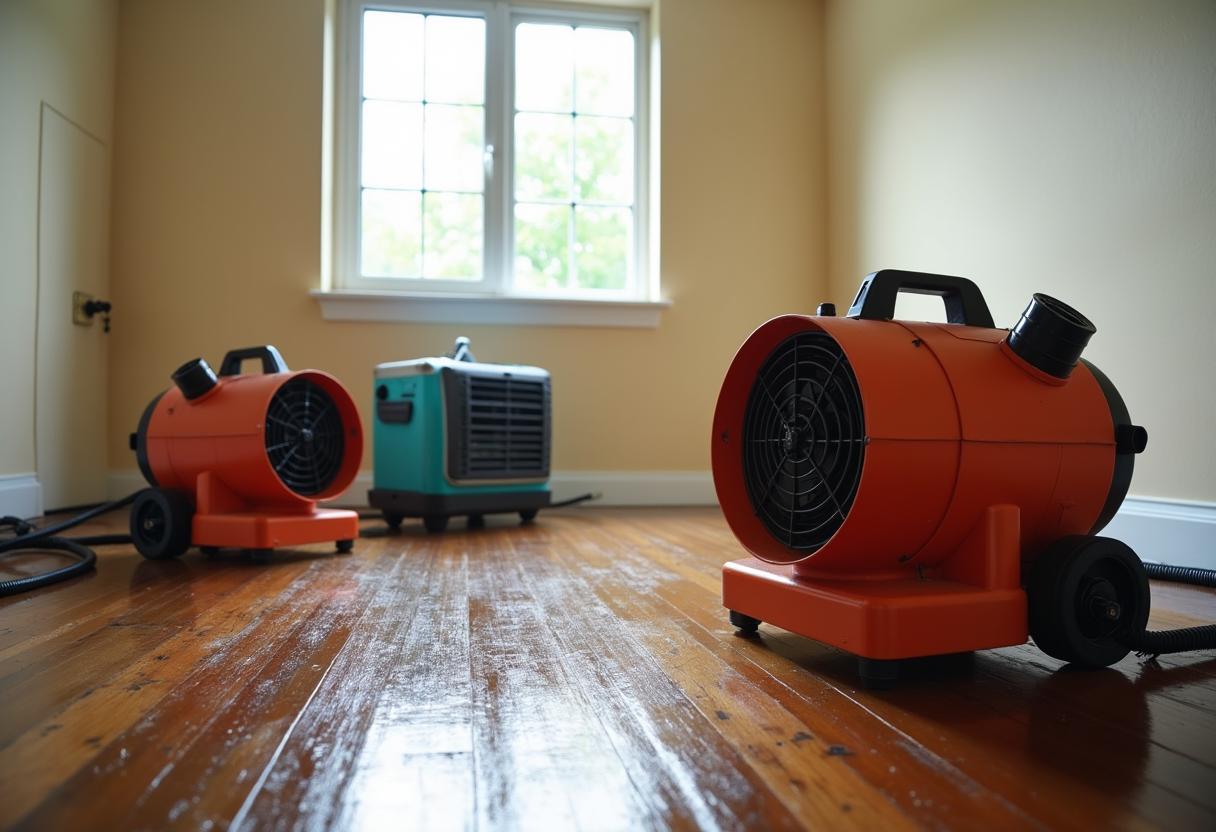
- Run fans to circulate air across wet surfaces.
- Use a dehumidifier if you have one, especially in an enclosed space.
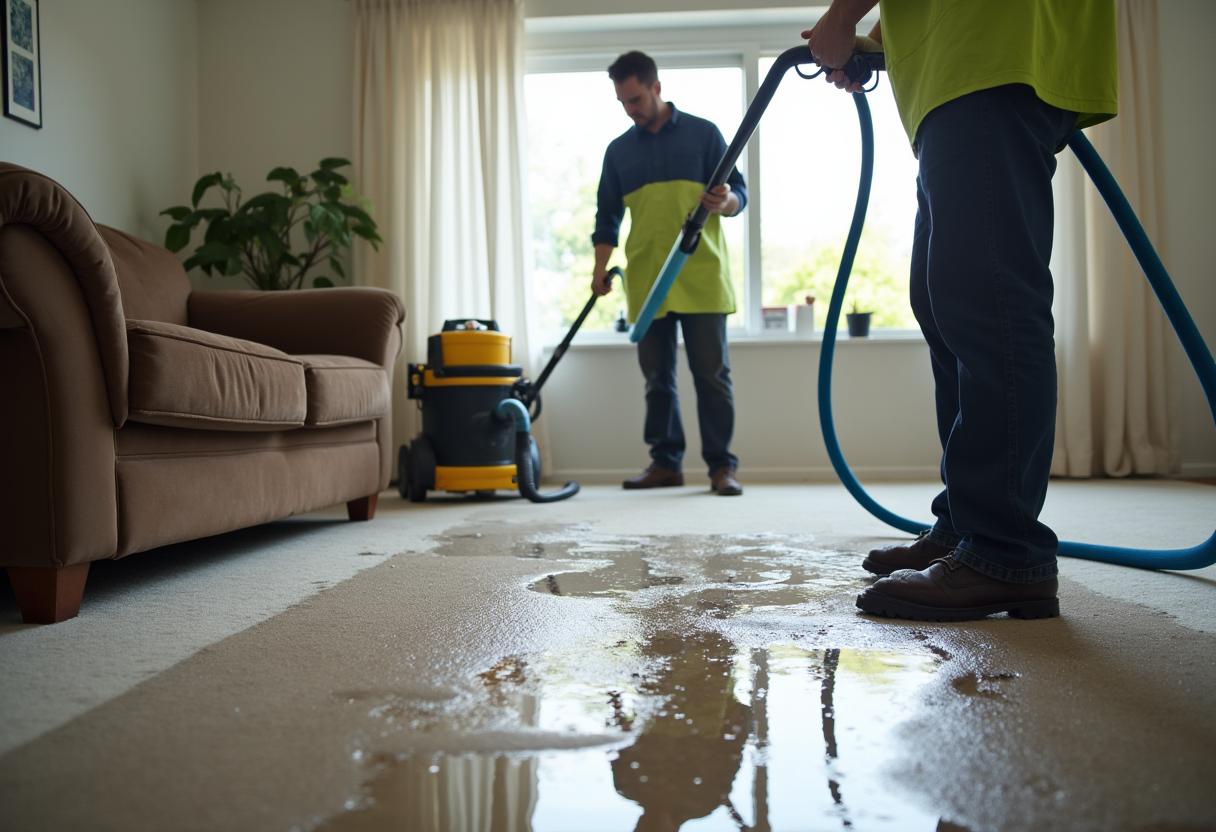
- Blot and mop standing water with towels and buckets where you can reach it safely.
- Lift drapes and pull up wet area rugs so air can reach the floor beneath them.
These steps slow the damage, but they do not replace professional-grade drying equipment, which reaches moisture hidden inside walls and subfloors.
What NOT to Do
Just as important as the right moves are the mistakes that quietly make things worse, and a few well-meaning actions can actually deepen the damage or put you at risk. Knowing what to avoid can save you thousands of dollars and a great deal of stress.
- Do not use a household vacuum to suck up water; it is not built for it and can cause electric shock.
- Do not turn on ceiling fans or lights if the ceiling above them is wet.
- Do not enter rooms with sagging ceilings or visible electrical hazards.
- Do not throw everything away before documenting it for your claim.
- Do not assume drywall and flooring are fine just because they look dry on the surface; moisture hides where you cannot see it.
- Do not wait to see if it dries on its own, because delay is the single biggest driver of mold growth.
When you are unsure whether an action is safe, the safest choice is to pause and ask a professional.
Why Calling Professionals Fast Prevents Mold
The reason speed matters so much comes down to a narrow window, because mold can begin to grow within 24 to 48 hours of a surface staying wet. The CDC notes that controlling moisture is the key to controlling mold, and once it establishes itself inside walls, insulation, and flooring, cleanup becomes far more involved.
This is where fast professional response earns its keep. As an IICRC-certified, veteran-owned team, we use moisture meters and commercial drying equipment to find and remove water you cannot see, then verify that the structure is truly dry rather than dry only on the surface. Our professional water damage restoration services cover cleanup, drying, and mold removal across Orlando and Florida, and we answer the phone 24/7 because water emergencies do not keep business hours.
Storms are a regular fact of life in Central Florida, and the Ready.gov flood guidance is a helpful resource for preparing before the next one arrives. When the water is already inside, though, the priority is getting a trained crew on site quickly, and that quick response is often what keeps a water event from becoming a mold problem.
Getting Help When You Need It
You do not have to manage all of this alone. If your home has taken on water, the fastest path back to normal is a calm homeowner handling safety first and a professional restoration team handling the drying and restoration right behind them.
If you are in the Orlando area and dealing with water damage right now, contact Going Green Restoration at 407-800-9204. We are available 24/7, and we would be glad to help you protect your home and your peace of mind.
Frequently Asked Questions
What is the first thing to do after discovering water damage?
Protect yourself before anything else. If you can safely reach the breaker panel without stepping into water, cut the power to the affected area. Avoid water that may be contaminated, wear rubber boots and gloves if you must enter, and stay clear of any ceiling that is bulging or dripping.
How do I stop water at the source?
For a burst pipe or appliance leak, turn off the fixture’s shutoff valve, or the home’s main water valve if needed. For a storm-related roof or window leak, place buckets and move items out of the path. For an overflowing toilet or drain, stop using water in the house until the cause is found.
How quickly does mold grow after water damage?
Mold can begin to grow within 24 to 48 hours of a surface staying wet, and Central Florida’s humidity creates exactly those conditions. This narrow window is why fast water removal and professional drying matter so much.
What should I not do after water damage?
Do not use a household vacuum on water, do not turn on ceiling fans or lights under a wet ceiling, do not enter rooms with sagging ceilings or electrical hazards, do not throw items away before documenting them, and do not wait to see if it dries on its own.
How do I document water damage for insurance?
Before cleaning, take photos and video of every affected room, wall, floor, and item from multiple angles. Capture close-ups of serial numbers on damaged appliances, make a written list of damaged belongings, and photograph the water source if it is safe. Save all cleanup receipts.
Do you offer 24/7 emergency water damage service in Orlando?
Yes. Going Green Restoration is a veteran-owned, IICRC-certified team that answers the phone 24/7 because water emergencies do not keep business hours. We use moisture meters and commercial drying equipment across Orlando and Florida. Call 407-800-9204.
Posted on Behalf of Going Green Restoration USA