 Spanish
Orlando Flood Damage Repair After Storms: A Practical Recovery Guide
Central Florida storms can push rainwater under doors, back up drains, and soak building cavities in hours. Orlando flood damage repair is the disciplined response after that water arrives: make the structure safe, remove contaminated moisture, dry what can be saved, and rebuild only when materials meet dry standards. Treating floodwater like a spilled glass of drinking water is how indoor air and finishes fail weeks later.
Going Green Restoration supports Orlando storm damage restoration with mitigation, cleaning, and reconstruction sequenced for humid climate realities.
What Makes Storm Floodwater Different From a Supply-Line Leak?
Storm and floodwater often carries outdoor contaminants, silt, chemicals, microbes, and is generally treated as contaminated (commonly called Category 3 in industry practice) until proven otherwise. That classification changes demolition, cleaning, and personal protective equipment requirements compared with a clean broken pipe.
Orlando flood damage repair therefore emphasizes removal of porous materials that absorbed dirty water, thorough cleaning of structural surfaces, and verified drying. For official preparedness and recovery framing, see Ready.gov flood guidance and FEMA recovery resources.
What Should You Do Immediately After Floodwater Recedes?
Return only when authorities say it is safe. Avoid standing water near electrical hazards. Photograph every room before moving items. Discard food that contacted floodwater. Ventilate if outdoor air is drier and safer than indoor air, but do not assume fans alone equal professional drying.
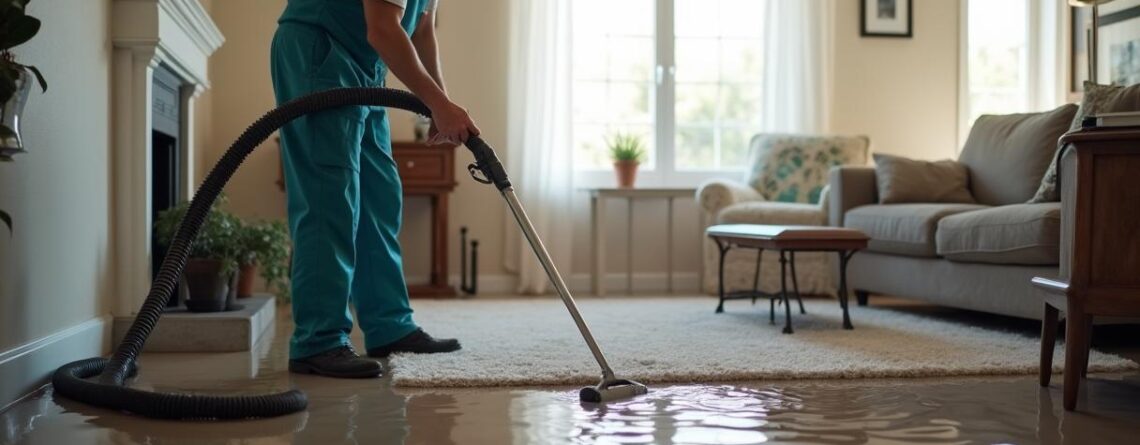
If water remains inside, call for emergency flood response Orlando teams who can extract and set controlled drying. Delay is expensive in Florida’s humidity.
How Does Professional Orlando Flood Damage Repair Proceed?
Typical phases: safety and utilities assessment; extraction of remaining water; removal of non-salvageable porous materials; cleaning and sanitizing of structural components; equipment-based drying with moisture logging; then reconstruction of floors, walls, and finishes.
Our water damage restoration process is the mitigation spine; reconstruction follows once drying goals are met. Skipping ahead to cosmetic repairs traps moisture and invites mold, a separate problem we address through mold removal when growth is already present.
Which Materials Usually Cannot Be Saved After Flooding?
Carpet and pad, swollen MDF cabinets, wet insulation, and heavily saturated drywall often fail the salvage test after contaminated water exposure. Hardwood and concrete may be restorable with aggressive drying, depending on duration of exposure and coatings. Decisions should follow inspection, not a one-size social-media tip.
Ask your Orlando restoration company to explain each removal in plain language and to inventory discarded items for insurance.
How Long Does Orlando Storm Damage Restoration Take?
Timelines track water depth, how long materials stayed wet, access to power, outdoor humidity, and claim approvals. Extraction may finish in hours; drying can take days; rebuild can add additional days or weeks depending on scope. Storm surges that hit many neighborhoods at once can also stretch equipment and crew availability, another reason to call early.
What Documentation Helps Insurance After a Storm?
Keep claim numbers, adjuster contacts, photo sets (before/during/after), moisture logs from the restoration company, and lists of discarded property. Note the storm date/time and when water entered. Clarify whether wind-driven rain, overflow, or another cause applies, cause language often drives coverage.
Going Green’s team documents mitigation so you are not reconstructing the story from memory weeks later. Start at contact us if you need a storm response now.
How Do Contents and Soft Goods Fit Into Flood Recovery?
Upholstered furniture, mattresses, and carpet pad that absorbed contaminated water are frequently discarded. Hard furniture may be cleanable depending on finish and duration of exposure. Pack-out to a cleaning facility is sometimes part of Orlando flood damage repair when the home cannot host contents during demolition. Ask for an inventory and chain-of-custody style notes so nothing “disappears” into a dumpster without a record.
Electronics that sat in water need specialized evaluation; powering them on to “test” can be hazardous. When in doubt, isolate and photograph first.
How Can You Reduce Flood Damage Before the Next Storm?
Maintain gutters and downspouts, clear yard drains, review door thresholds, elevate critical items in vulnerable rooms, and know your main water shutoff. For flood-prone parcels, discuss longer-term hardening with qualified contractors. Restoration repairs the loss; prevention shrinks the next one.
Frequently Asked Questions
What is Orlando flood damage repair?
It is professional mitigation and restoration after flood or storm water enters a building, extraction, cleaning, drying, and rebuild as needed, with protocols suited to contaminated water.
Is storm water always considered contaminated?
Outdoor flood and storm water is typically treated as contaminated. Your restoration pro should classify water based on source and visible conditions.
Can I keep wet drywall after a flood?
Sometimes limited sections can be dried if exposure was brief and water was cleaner; contaminated soaking often requires removal. Inspection decides.
When should mold concerns enter the conversation?
If materials stayed wet beyond a short window, if musty odors appear, or if you see growth, tell the crew so drying and remediation plans align.
Who should I call first, insurer or restorers?
If water is active or standing, prioritize safety and mitigation. Open or update the claim as soon as practical without delaying necessary emergency work.
Get Orlando Flood Damage Repair Started the Right Way
After-storm recovery is a process, not a single mop-up. Going Green Restoration provides Orlando flood damage repair and Orlando storm damage restoration with clear documentation and humid-climate drying discipline. Contact Going Green Restoration to schedule assessment and mitigation.
Service Disclaimer: General information only. Follow official emergency instructions. Not a warranty of coverage or structural fitness.
Posted on Behalf of Going Green Restoration USA