 Spanish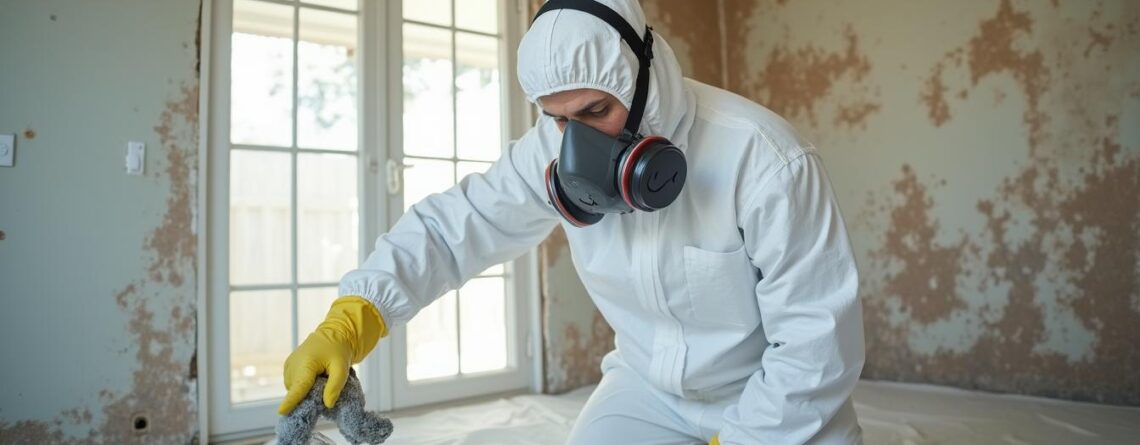
Mold Removal and Remediation in Orlando: What Homeowners Need to Know
Mold is one of the most common problems we see in Central Florida homes, and it rarely shows up alone. Where there is moisture, warmth, and time, mold tends to follow, and our climate offers all three in abundance. As an Orlando restoration company that has served local families and businesses since 2014, we have walked through countless homes in Altamonte Springs, Apopka, and Windermere where a small, hidden moisture issue quietly grew into a much larger concern. The good news is that mold is manageable when it is handled correctly, and understanding how professional mold removal works can help you make calm, informed decisions rather than anxious ones.
Below, we explain why Florida humidity makes mold so persistent, what the health agencies actually say, how do-it-yourself cleaning differs from professional remediation, what our process looks like step by step, and how to know when it is time to call a professional.
Why Does Florida’s Humidity Drive So Much Mold Growth?
In a climate like Central Florida’s, indoor humidity is the single biggest factor separating a mold-free home from one with a recurring problem. Orlando spends much of the year in warm, moisture-heavy conditions, and mold spores are always present in the air, both indoors and outdoors. They only need a damp surface and a little time to settle in and start growing. That is why humidity control matters so much here compared to drier parts of the country.
Several everyday situations create the conditions mold loves:
- Air conditioning systems that run constantly and develop condensation
- Bathrooms, laundry rooms, and kitchens with limited ventilation
- Small plumbing leaks behind walls or under cabinets that go unnoticed
- Roof and window leaks after Central Florida’s frequent storms
- Homes left closed up and under-cooled while owners are away
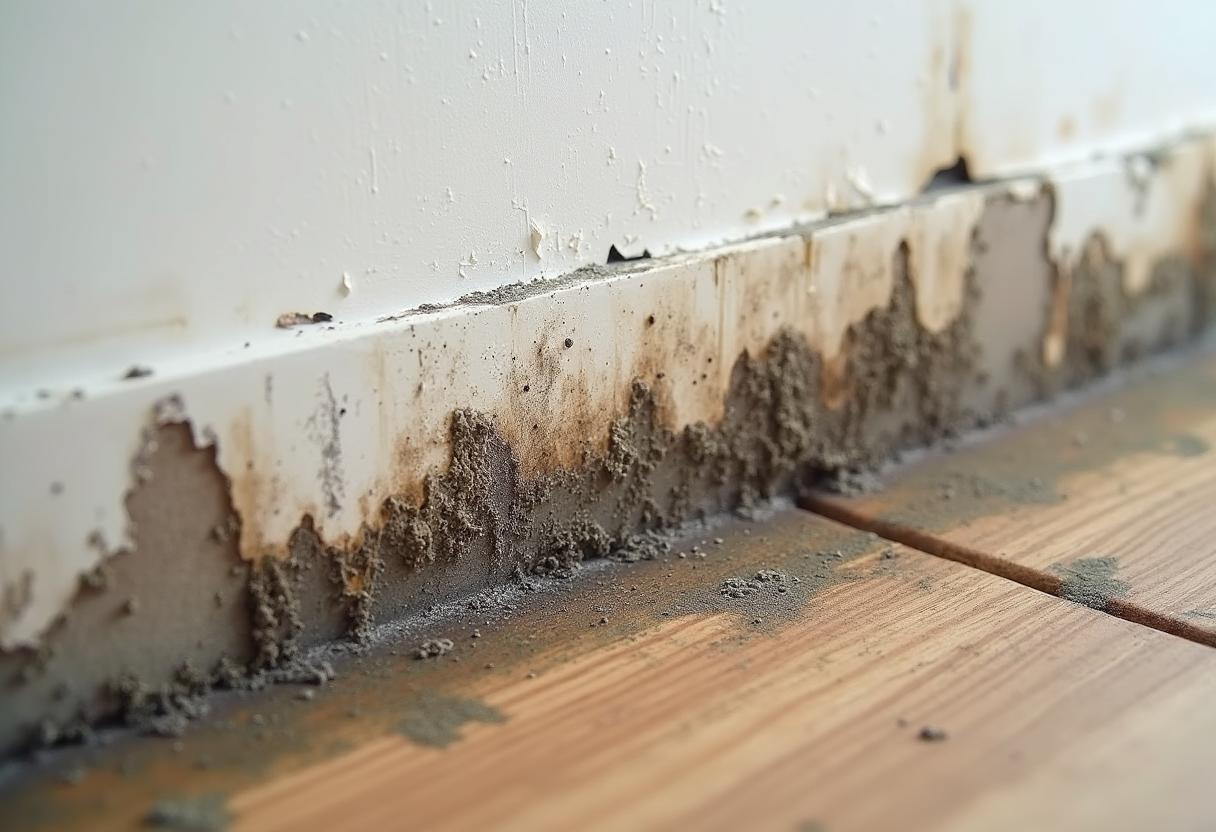
The pattern we see again and again is that mold is a symptom of a moisture problem, not a random event. Wiping away visible growth without addressing the underlying dampness almost always leads to regrowth in the same spot. This is why any lasting solution has to combine mold removal with moisture and humidity management, especially in a region as humid as ours, and why professional water damage restoration so often goes hand in hand with treating mold.
What Do the Health Agencies Say About Mold?
Reputable public health guidance is clear that damp, moldy indoor environments should be cleaned up and kept dry, even though everyone reacts to mold differently. According to the U.S. Environmental Protection Agency, controlling moisture is the key to controlling indoor mold, and the EPA’s mold resources emphasize prompt cleanup and moisture control rather than living with a persistent problem. The Centers for Disease Control and Prevention takes a similar position, and the CDC’s mold guidance notes that people can have different sensitivities, so keeping indoor spaces dry and addressing mold promptly is a sensible precaution for any household.
We want to be careful and honest here: we are a restoration company, not a medical provider. We do not diagnose health conditions, and we do not use scare tactics. What we can tell you is what these agencies consistently recommend, which is to identify the source of moisture, remove mold safely, and keep the area dry going forward. If you have specific health concerns, those questions belong with a qualified medical professional. Our job is to make the indoor environment clean, dry, and stable again.
Is DIY Mold Cleaning Enough, or Do You Need a Professional?
The honest answer is that some very small, surface-level spots can be cleaned by a homeowner, but larger or hidden mold almost always calls for professional remediation. A patch of mildew on bathroom grout or a small area on a hard, non-porous surface is often something you can wipe down and dry out yourself. The trouble starts when mold has spread across a larger area, worked into porous materials like drywall or carpet, or taken hold somewhere you cannot easily see.
Here is where do-it-yourself efforts tend to fall short:
- Cleaning the surface without finding and fixing the moisture source
- Missing mold growing inside walls, under flooring, or in the HVAC system
- Disturbing mold in a way that spreads spores to clean parts of the home
- Lacking containment, professional filtration, and proper drying equipment
- Underestimating how far the problem has actually spread
Professional mold remediation exists precisely because mold is often bigger than it looks. When we evaluate a home, we are not just treating the spot you can see; we are looking for the water source behind it and any growth that has spread beyond the obvious. That combination of investigation, containment, and thorough drying is difficult to replicate with store-bought products alone.
What Does the Professional Remediation Process Look Like?
A proper remediation follows a clear, industry-recognized sequence designed to remove mold while preventing it from spreading elsewhere in your home. As an IICRC-certified team, we follow established standards at every step rather than improvising, and each phase builds on the one before it. Here is how we typically approach a project:
- Inspection and moisture assessment. We locate the mold, identify the water source feeding it, and map out how far it has spread using moisture readings and a careful visual check.
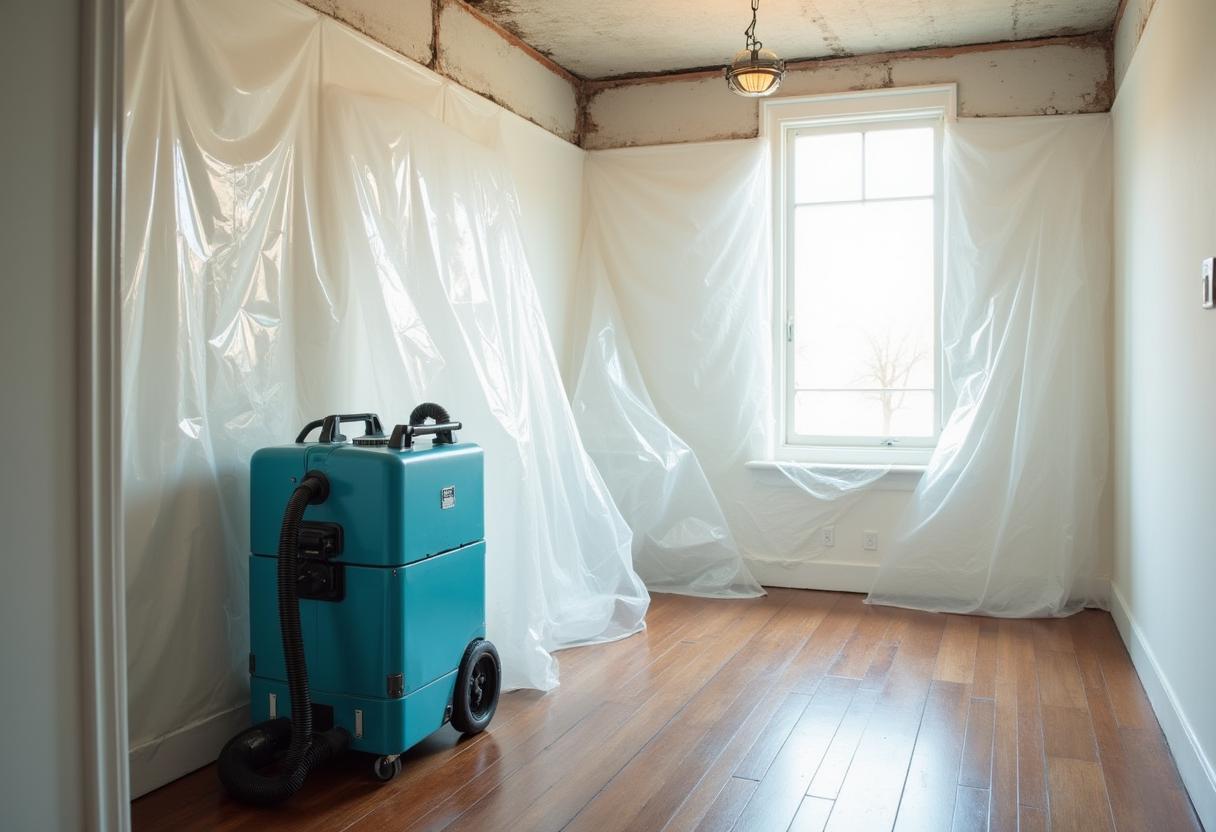
- Containment. We seal off the affected area, often with plastic sheeting and controlled airflow, so spores are not carried into clean rooms while we work.
- Air filtration. We use professional-grade filtration equipment to capture airborne spores and keep the air in the work area under control throughout the process.
- Mold removal. We remove mold from surfaces and take out porous materials that cannot be salvaged, such as saturated drywall or carpet, handling and bagging debris carefully.
- Cleaning and drying. We clean salvageable surfaces and belongings, then dry the space thoroughly with commercial equipment so residual moisture does not fuel a comeback.
- Prevention and repair. We address the moisture source and, when needed, move into reconstruction to restore the affected areas to normal.
Because we also handle reconstruction, storm damage, and water damage restoration in-house, we can take a home from the first moisture discovery all the way through rebuilding without handing you off to another company midway through. That continuity matters, since mold, water, and structural repairs are so often tied together.
When Should You Call a Professional?
If mold covers a large area, keeps coming back, or is tied to water damage you cannot fully see or reach, that is the moment to bring in a professional team. There is no need to panic, but there is real value in acting sooner rather than later, because moisture problems in our humid climate tend to grow rather than resolve on their own.
We generally recommend reaching out when you notice any of the following:
- Visible mold spreading across more than a small patch
- A persistent musty odor even when nothing is visibly growing
- Mold that returns shortly after you have cleaned it
- Recent water damage, flooding, or storm-related leaks
- Buckling, staining, or dampness on walls, ceilings, or floors
Situations like these can develop at any hour, which is one reason we operate 24/7 and are ready to respond when a water damage emergency in your home does not wait for business hours. As a veteran-owned company rooted in the Orlando area, we take real pride in showing up for our neighbors when they need help most, whether that is in Altamonte Springs, Apopka, Windermere, or anywhere across Central Florida.

Taking the Next Step With a Local Team You Can Trust
Mold is a common Florida problem, but it does not have to be a permanent one, and the right response makes all the difference. If you are seeing signs of mold or dealing with recent water damage, you can learn more about our full range of services on our main website or reach out directly for a professional assessment. We are always glad to answer questions, walk you through your options, and help you understand what your home actually needs.
When you are ready, contact Going Green Restoration at 407-800-9204, and our IICRC-certified, veteran-owned team will help you get your home dry, clean, and healthy again.
Frequently Asked Questions
Can I remove mold myself, or do I need a professional?
Some very small, surface-level spots on hard, non-porous surfaces can be cleaned by a homeowner. But larger areas, mold in porous materials like drywall or carpet, or hidden growth almost always calls for professional mold removal, because the moisture source and spread often extend beyond what you can see.
Why does mold keep coming back after I clean it?
Mold is a symptom of a moisture problem, not a random event. Wiping away visible growth without fixing the underlying dampness almost always leads to regrowth in the same spot, which is why lasting solutions combine mold removal with moisture and humidity management.
Is mold dangerous to my health?
We are a restoration company, not a medical provider, so we do not diagnose health conditions. Public health agencies like the EPA and CDC recommend cleaning up damp, moldy environments and keeping them dry, and note that people can have different sensitivities. Specific health concerns should go to a qualified medical professional.
What does the professional mold remediation process involve?
It follows an industry-recognized sequence: inspection and moisture assessment, containment of the affected area, air filtration, mold removal, cleaning and drying, and finally addressing the moisture source with any needed repairs.
When should I call a professional about mold?
Reach out when mold spreads across more than a small patch, there is a persistent musty odor, mold returns after cleaning, you have had recent water damage or storm leaks, or you see buckling, staining, or dampness on walls, ceilings, or floors.
Do you handle both mold removal and the water problem behind it?
Yes. Because we handle reconstruction, storm damage, and water damage restoration in-house, we can take a home from the first moisture discovery all the way through rebuilding without handing you off to another company.
Posted on Behalf of Going Green Restoration USA