 Spanish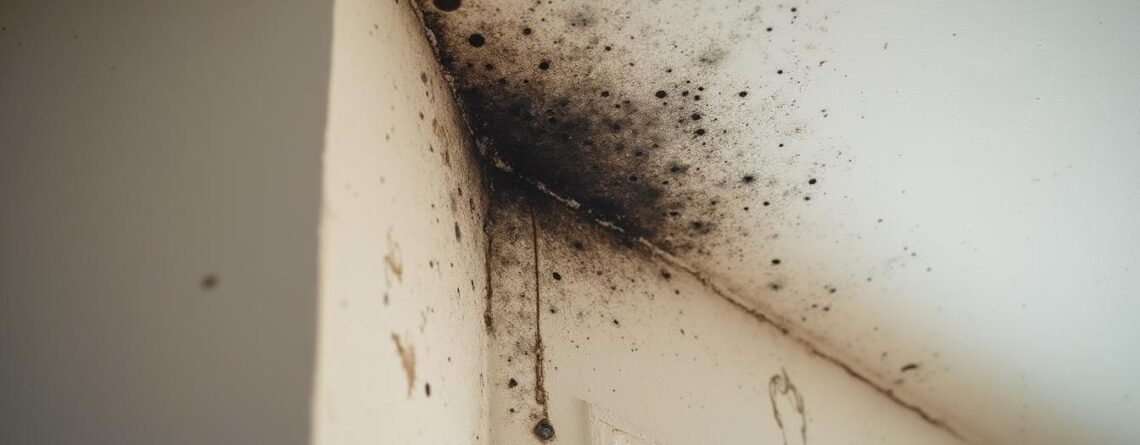
Signs of Hidden Mold in Your Home
Mold has a way of showing up where you least expect it. It rarely announces itself in the middle of a room where you would notice right away. Instead, it settles into the quiet, damp corners of a house, growing behind walls, under sinks, and inside systems you almost never look at. By the time most homeowners realize something is wrong, the problem has often been developing for weeks or months.
We work with homeowners across the Orlando area every day, and we have learned that the earliest signs of hidden mold are usually subtle. If you know what to look for, you can catch a problem before it spreads and becomes far more difficult to deal with. This guide walks through the most common signs of hidden mold, where it likes to hide, and when it makes sense to call in a professional. Hidden mold is one of the few home problems where paying attention to small clues can save you a great deal of trouble later.
Why Is Hidden Mold Such a Common Problem in Florida?
Florida homes face a challenge that many other parts of the country do not: near-constant humidity. The warm, moisture-heavy air that makes Central Florida so pleasant also creates ideal conditions for mold to take hold and thrive. In a climate like Orlando’s, all mold needs is a little moisture and a surface to grow on, and both are easy to find indoors.
The U.S. Environmental Protection Agency notes that mold will grow wherever there is moisture, which means controlling dampness is the single most important step in keeping it out of your home. That is why the same steady humidity that defines Florida living also makes routine attention to moisture so important for homeowners here. It is also why professional mold removal in the Orlando area so often focuses on finding and fixing the moisture source, not just cleaning the surface.
What Are the Warning Signs of Hidden Mold?
Because hidden mold grows out of sight, you often have to rely on indirect clues rather than seeing the mold itself. Most homeowners notice one or two of these signs long before they ever spot actual growth. The most reliable early warning of a hidden mold problem is a change you can sense but cannot immediately explain.
Here are the signs worth paying attention to:
- A persistent musty or earthy smell. This is one of the most common indicators. If a room, closet, or cabinet has a stale odor that returns no matter how often you clean, moisture and mold may be present nearby.
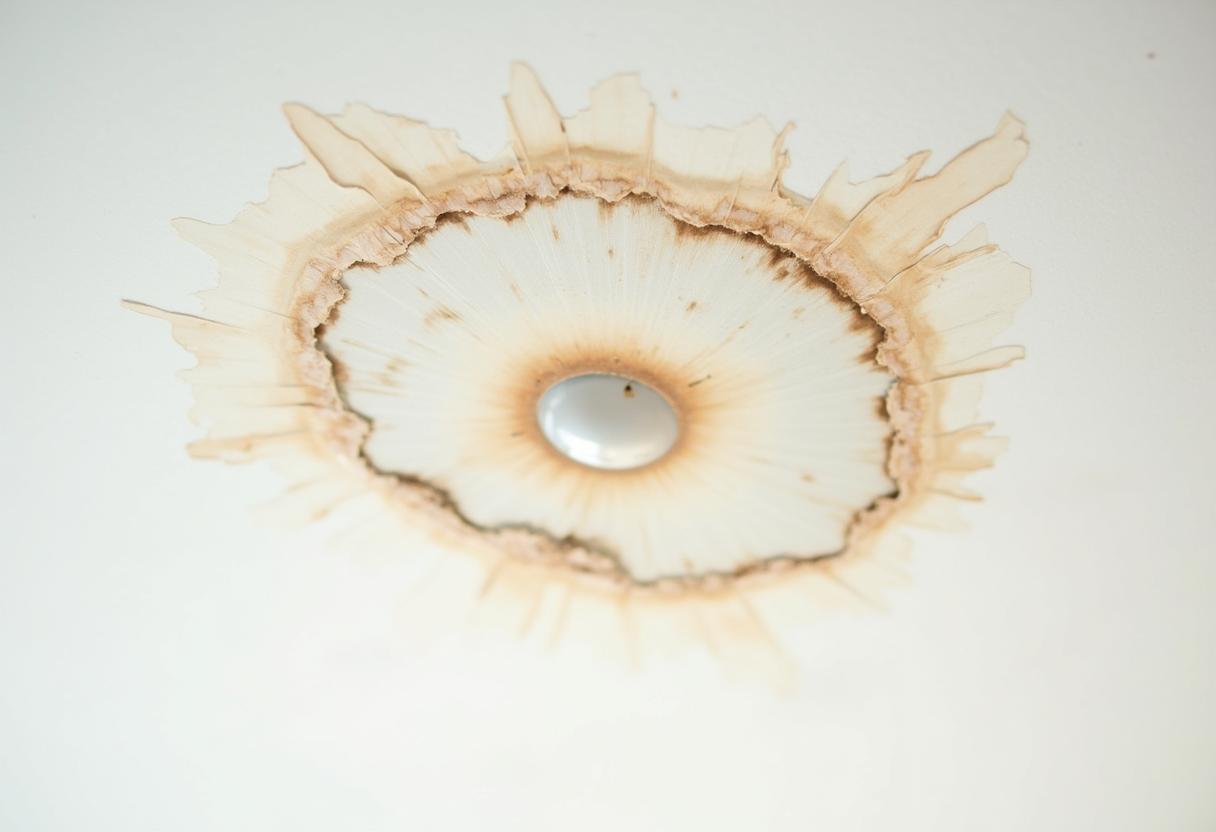
- Water stains or discoloration. Yellowish, brown, or greenish patches on walls, ceilings, or baseboards often point to moisture moving through materials, and mold frequently follows.
- Warping, bubbling, or peeling. Paint that bubbles, wallpaper that peels, or wood and flooring that warps are all signs that moisture is present behind the surface.
- Visible condensation. Water beading on windows, pipes, or walls signals excess humidity, which creates the conditions mold needs.
- Allergy-like symptoms that improve when you leave home. Symptoms that ease when you are away and return when you come back can be a clue worth investigating.
- A history of leaks or flooding. Any area that has been wet in the past deserves a closer look, even if it appears dry now.
None of these signs alone confirms a mold problem, but any one of them is a good reason to look more closely.
Can Hidden Mold Affect How You Feel?
Many homeowners first suspect a problem not because of something they see, but because of how they feel at home. Both the EPA and the CDC recognize that exposure to indoor mold can be associated with health effects for some people, particularly those with allergies, asthma, or sensitivities.
According to the Centers for Disease Control and Prevention, people who are sensitive to mold may experience symptoms such as nasal stuffiness, throat irritation, coughing, or eye irritation. The clearest connection between your home and how you feel is when symptoms consistently ease while you are away and return once you are back inside.
We want to be careful here, and we always are with our customers: these are general observations, not a diagnosis. If you have ongoing health concerns, a medical professional is the right person to speak with. What we can help with is identifying and removing the moisture and mold that may be contributing to indoor air problems.
Where Does Hidden Mold Usually Grow?
Knowing where mold tends to hide makes it much easier to catch early. Mold does not grow randomly; it follows moisture, so the dampest and least ventilated parts of a home are almost always the first places affected. The most important rule to remember is that mold gathers wherever water lingers and air does not move.
The most common hiding spots we find include:
- Behind walls. Slow plumbing leaks or past water intrusion can leave the inside of a wall damp long after the surface looks dry. A musty smell or discoloration on the wall is often the only outward sign.
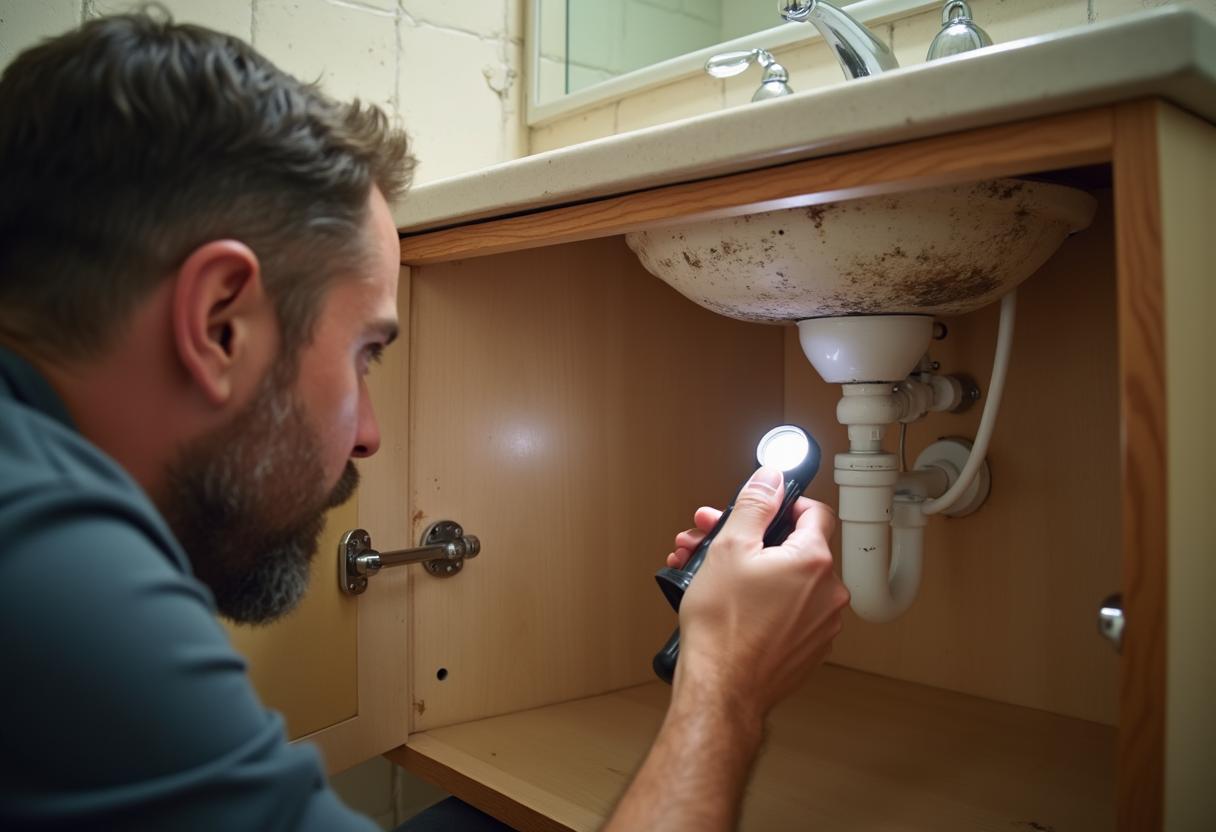
- Under sinks. Kitchen and bathroom cabinets trap moisture from small drips and condensation, and their enclosed, dark space is ideal for growth.
- In and around HVAC systems. Air handlers, ductwork, and drip pans collect condensation. When mold grows here, your system can spread spores throughout the house every time it runs.
- In attics. Roof leaks, poor ventilation, and Florida’s heat combine to make attics a frequent trouble spot, often unnoticed for long stretches.
- Around windows and exterior walls. Condensation and small leaks tend to collect in these areas, especially during humid or rainy stretches.
Because these areas are out of sight, they are exactly the places most homeowners never think to check until a bigger problem appears. When mold turns up in one of these spots, our mold removal specialists can trace it back to its source and treat the affected areas properly.
How Does Past Water Damage Lead to Hidden Mold?
One of the most overlooked causes of hidden mold is water damage that seems to have been handled. A pipe burst, a roof leaked, or a storm pushed water inside, the surfaces dried, and life moved on. The trouble is that mold only needs a short window of moisture to establish itself, and drying the surface does not always dry what is underneath.
The reality worth remembering is that any area which has been wet in the past can harbor mold if it was not fully dried and inspected. This is why we always encourage homeowners to treat past leaks and flooding as reasons to stay alert, not as closed chapters. Thorough water damage restoration is about drying a home completely and verifying it, which is exactly what prevents mold from taking hold weeks later. If your home has experienced water intrusion at any point, it is worth keeping an eye on those areas for the warning signs described above.
What About Humidity and Condensation?
In Central Florida, humidity is a year-round consideration rather than a seasonal one. High indoor humidity gives mold the moisture it needs even without a specific leak, which makes it one of the most underestimated causes of hidden growth. When the moisture in the air stays high enough for long enough, mold can develop on surfaces that were never directly wet.
Condensation is the visible clue that humidity levels are working against you. Water forming on windows, cold pipes, or walls means the air is holding more moisture than those surfaces can handle. Keeping indoor humidity in check, using ventilation and air conditioning wisely, goes a long way toward preventing hidden mold in an Orlando home. If a leak or storm does let excess moisture in, prompt water damage cleanup and drying keeps a short-term problem from becoming a long-term one.
When Should You Get a Professional Inspection?
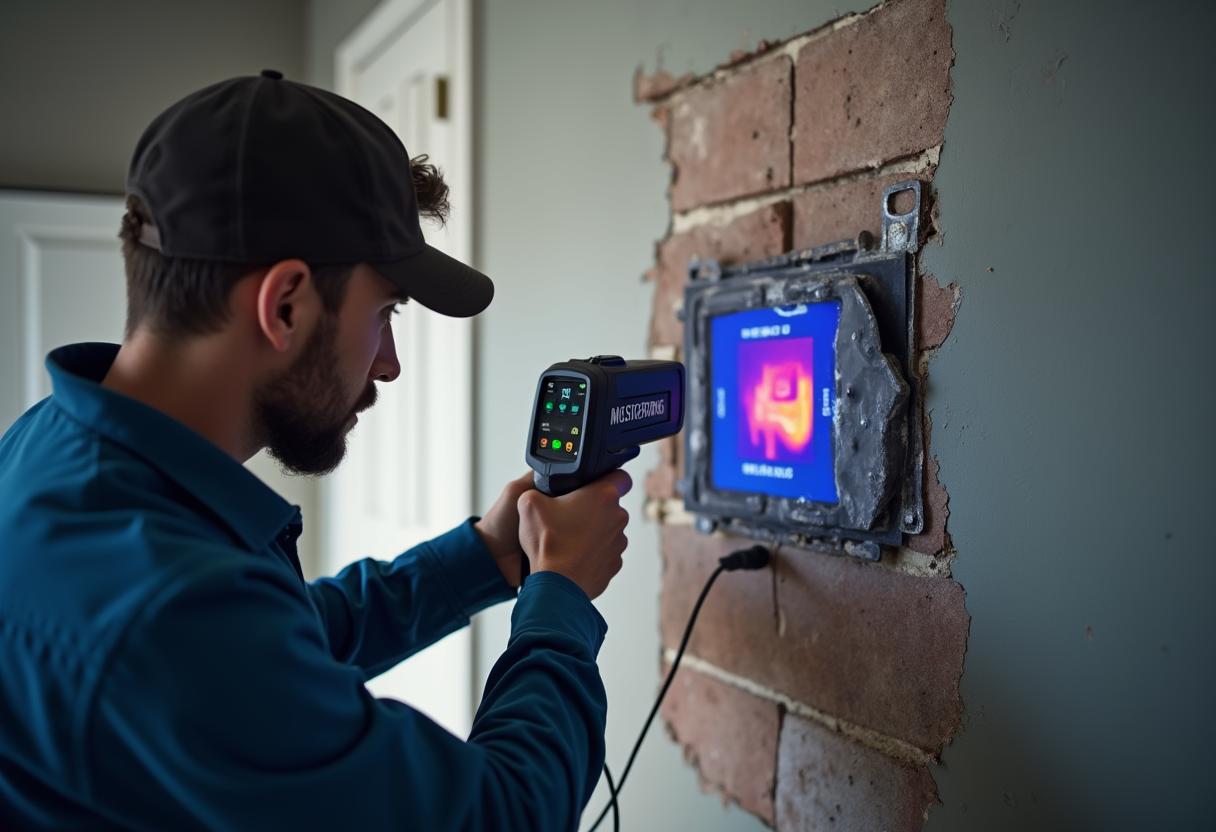
Small, surface-level mold on a shower tile or windowsill is often something a homeowner can clean. Hidden mold is a different matter. When the source is behind a wall, inside an HVAC system, or spread across an attic, guessing at the extent of the problem usually makes things worse. The safest approach is a professional inspection whenever you suspect mold you cannot see or fully reach.
It is time to bring in a professional when you notice persistent musty odors with no obvious source, when discoloration keeps returning after cleaning, when you have had past water damage and want to be sure it was resolved, or when allergy-like symptoms seem tied to being at home. A trained inspection can find moisture and mold in places that are easy to miss and identify the source so the problem is actually solved rather than temporarily covered up. You can learn more about our restoration company and the way we work if you are weighing whether it is time for a closer look.
Taking the Next Step
Hidden mold is far easier to manage when it is caught early, and the signs are usually there for homeowners who know what to watch for. A musty smell, a water stain, a bit of warping, or symptoms that ease when you leave the house are all worth taking seriously, especially in a humid climate like ours.
Going Green Restoration USA has served Orlando and the surrounding area since 2014. We are a veteran-owned, IICRC-certified company offering mold removal and water damage restoration, and we are available 24/7 because moisture problems do not keep business hours. If you are concerned about hidden mold in your home, contact Going Green Restoration at 407-800-9204, and we will help you figure out what is going on and what to do about it.
Frequently Asked Questions
What are the first signs of hidden mold?
The most common early signs are a persistent musty or earthy smell, water stains or discoloration on walls and ceilings, warping or bubbling paint, visible condensation, and allergy-like symptoms that ease when you leave the house. Any one of these is a good reason to look closer.
Where does hidden mold usually grow in a home?
Hidden mold follows moisture, so it favors damp, poorly ventilated spots: behind walls with slow plumbing leaks, under kitchen and bathroom sinks, in and around HVAC systems and drip pans, in attics, and around windows and exterior walls.
Can hidden mold make you feel sick?
We are a restoration company, not a medical provider, so we do not diagnose. The EPA and CDC recognize that indoor mold can be associated with symptoms like nasal stuffiness, throat irritation, coughing, or eye irritation for sensitive people. Ongoing health concerns should go to a medical professional.
Can past water damage cause mold even after it dried?
Yes. Mold needs only a short window of moisture to establish itself, and drying the surface does not always dry what is underneath. Any area that has been wet in the past can harbor mold if it was not fully dried and inspected, which is why thorough water damage restoration verifies dryness.
When should I get a professional mold inspection?
Bring in a professional when you notice persistent musty odors with no obvious source, discoloration that returns after cleaning, past water damage you want confirmed as resolved, or allergy-like symptoms tied to being at home. Hidden mold behind walls or in HVAC systems needs trained inspection.
How does humidity contribute to hidden mold in Florida?
High indoor humidity gives mold the moisture it needs even without a specific leak. When moisture in the air stays high long enough, mold can grow on surfaces that were never directly wet. Condensation on windows and pipes is the visible clue that humidity is working against you.
Posted on Behalf of Going Green Restoration USA