 Spanish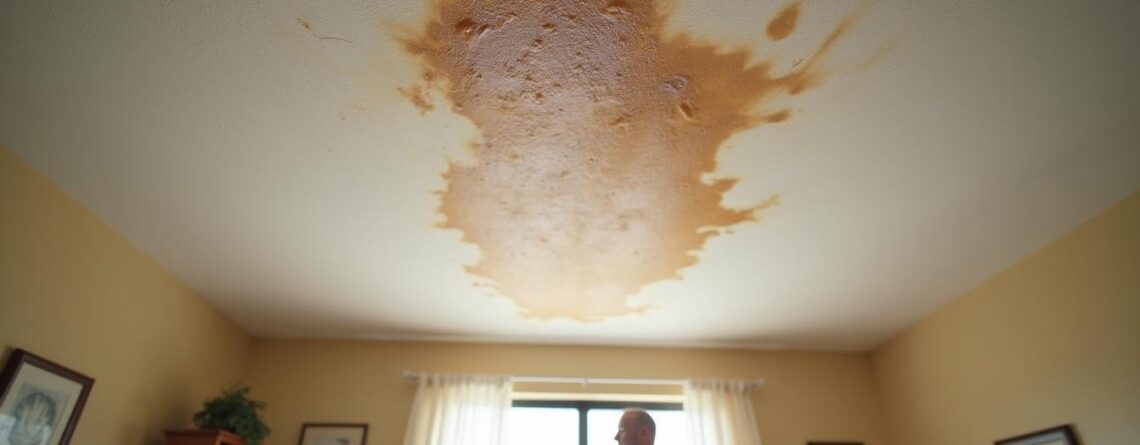
Ceiling Water Damage in Orlando: Causes, Repair, and When to Act Fast
A water stain on your ceiling is a warning, not just a cosmetic flaw. It means water is reaching a surface it should never touch, usually from a roof leak, a plumbing line, or an AC problem. Act within 24 to 48 hours: find and stop the source, dry the area, and have the ceiling assessed before mold or structural sagging sets in.
In Central Florida, ceilings take a beating from storm-driven rain, aging roofs, and constant AC use. A small ring today can become a collapsed section of drywall next month. Here is what causes ceiling water damage, how professional repair works, and when a stain crosses the line into an emergency.
What Causes Ceiling Water Damage in Orlando Homes?
Most ceiling water damage in Central Florida traces back to one of four sources: roof leaks, plumbing leaks from a bathroom above, air-conditioning condensation and clogged condensate lines, or storm intrusion after high winds lift shingles.
Quotable fact: In a two-story Orlando home, a ceiling stain directly below a bathroom is far more likely to be a plumbing leak than a roof issue, which is why locating the true source matters more than treating the stain.
Because Florida’s humidity keeps materials damp longer, water that enters through the roof or a supply line can travel along joists and appear far from its actual entry point. Our water damage restoration team uses moisture mapping to trace water back to the real source instead of guessing.
How Do You Know if Ceiling Water Damage Is Serious?
Not every mark is an emergency, but several signs mean you should stop waiting. A sagging or bulging ceiling, active dripping, spreading brown rings, peeling paint, or a musty smell all point to ongoing moisture.
Quotable fact: A ceiling that is sagging or bulging is holding trapped water and can collapse without warning, so the area beneath it should be cleared of people and belongings immediately.
Watch for these red flags:
- Brown or yellow rings that grow larger over days
- Paint or drywall that bubbles, cracks, or flakes
- A soft, spongy, or drooping ceiling surface
- Musty odors or visible mold near the stain
- Water dripping during or after rain
If you see any of these, reach out through our contact page for a prompt assessment.
Why Does Fast Water Damage Repair Matter?
Water damage is progressive. The longer moisture sits, the more materials absorb it, and the higher the risk of mold and rot. Speed is the difference between drying a ceiling and replacing it.
Quotable fact: The EPA notes that mold can begin growing on damp materials within 24 to 48 hours, which is the same window in which a minor ceiling leak can turn into a mold and drywall replacement job.
Fast professional response also protects the structure. Saturated drywall loses strength, insulation clumps and stops working, and prolonged moisture can reach wooden framing. Addressing water damage repair in Orlando quickly keeps a contained problem from spreading through your home.
What Does the Ceiling Water Damage Repair Process Look Like?
Professional repair is a sequence, not a single patch. Skipping steps, such as painting over a stain before drying, guarantees the problem returns.
Quotable fact: Repainting a water-stained ceiling before the source is fixed and the structure is fully dried simply hides the damage while mold and rot continue underneath.
A proper process includes:
- Stopping the source (roof, plumbing, or AC repair)
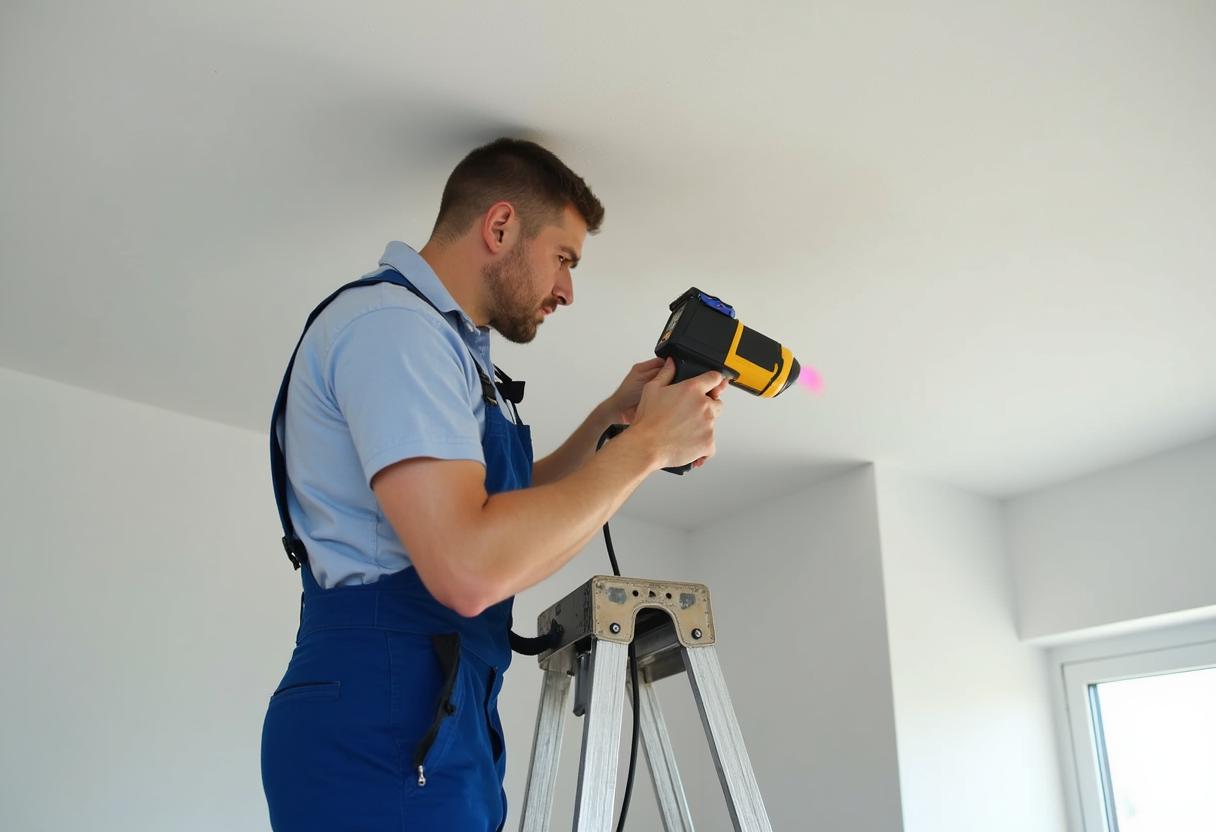
- Assessing moisture with meters and thermal imaging
- Removing unsalvageable, saturated drywall and insulation
- Drying the cavity with air movers and dehumidifiers
- Confirming the space is dry, then rebuilding and refinishing
When drywall, texture, and paint need to be replaced, our reconstruction services restore the ceiling so the finished result matches the rest of your home.
How Can Orlando Homeowners Prevent Ceiling Water Damage?
Prevention comes down to maintenance and early detection. Central Florida’s storms and humidity make routine checks essential, especially before and during hurricane season.
Quotable fact: A clogged AC condensate line is one of the most common and most preventable causes of ceiling and wall water damage in Florida homes, and it can often be avoided with simple seasonal maintenance.
Practical steps include inspecting your roof after major storms, keeping AC condensate lines clear, checking bathroom caulking and supply lines, and cleaning gutters so water drains away from the roofline. As a veteran-owned company using eco-friendly, sustainable methods, we focus on lasting repairs rather than surface fixes. Learn more about our approach on our About Us page.
Frequently Asked Questions
Is a small ceiling stain something I can ignore?
No. Even a small stain means water reached your ceiling. The source may still be active. Have it checked so a minor issue does not become a major repair.
Can a water-damaged ceiling be repaired, or must it be replaced?
It depends on how saturated the material is. Lightly affected areas can sometimes be dried and refinished, but drywall that is sagging, crumbling, or moldy usually must be removed and replaced.
How long does it take to repair ceiling water damage?
Simple repairs may take a few days once the area is dry, while larger jobs involving drying, mold, and reconstruction take longer. Drying alone often requires several days.
Will my Florida homeowners insurance cover ceiling water damage?
Sudden, accidental damage such as a burst pipe is often covered, while damage from long-term leaks or lack of maintenance frequently is not. Document the damage and review your policy.
Why is my ceiling leaking when it is not raining?
A leak with no rain usually points to plumbing or your air conditioning, such as a clogged condensate line or a supply line above the ceiling, rather than the roof.
Is ceiling water damage dangerous?
It can be. A saturated ceiling can sag and collapse, and lingering moisture invites mold, which can affect indoor air quality. Treat significant ceiling water damage as urgent.
Should I try to dry the ceiling myself?
You can place buckets and reduce active dripping, but household fans rarely dry an enclosed ceiling cavity. Professional drying equipment reaches the hidden moisture that causes recurring problems.
Posted on Behalf of Going Green Restoration USA