 Spanish
Orlando Water Damage Restoration Process Timeline: What Happens From Call to Rebuild
When water hits an Orlando home or business, the clock matters more than the calendar. Orlando water damage restoration is a sequenced process: stop the source, extract standing water, dry structural materials, clean and sanitize, then repair what cannot be saved. Knowing that timeline helps you ask better questions, document losses for insurance, and avoid shortcuts that leave moisture behind.
Going Green Restoration serves Central Florida with eco-conscious methods and 24/7 response. This guide walks through a typical Orlando water damage restoration timeline so you know what “done right” looks like before mold or secondary damage compounds the bill.
What Is Orlando Water Damage Restoration?
Orlando water damage restoration is the professional process of mitigating water intrusion, removing moisture from building materials, cleaning affected areas, and restoring the property to a safe, usable condition. It covers everything from a burst supply line to storm-driven intrusion, and it is different from a simple cleanup crew that mops and leaves.
A qualified Orlando restoration company measures moisture, documents categories of water (clean, gray, or black), and uses equipment sized to the cubic footage of wet space. For service details, see our water damage restoration page.
What Happens in the First Hour After You Call?
The first hour is about safety and stoppage. Technicians confirm utilities are safe to work around, locate and stop active leaks when possible, and begin extracting standing water. You should receive a clear briefing: what will be removed, what will be protected, and how moisture readings will be tracked.
Photograph rooms before contents are moved. Save packaging from discarded soft goods if your adjuster requests it. If the source is a municipal or weather event, note the time water entered, that detail often frames coverage conversations later.
What Does Days 1 to 2 Look Like for Water Damage Repair Orlando Jobs?
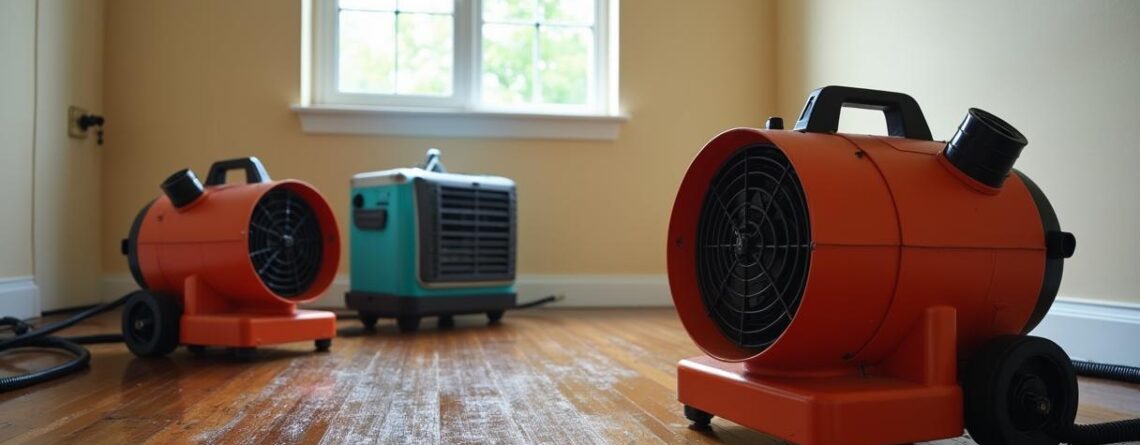
Days one and two focus on extraction and structural drying setup. After bulk water is gone, crews place air movers and dehumidifiers according to psychrometric readings, not guesswork. Wet carpet, pad, drywall, and insulation may be removed when they cannot be dried in place without risking microbial growth.
Water damage repair Orlando projects at this stage also include content management: elevating furniture, bagging salvageable items, and isolating rooms so dry areas stay dry. Expect daily or near-daily moisture checks. If readings stall, the drying map changes, more equipment, more openings, or additional demolition of trapped wet cavities.
Official flood and recovery guidance from agencies such as Ready.gov and FEMA stresses the same priority order: safety first, then water removal, then drying, never “paint over damp.”
When Does Cleaning and Antimicrobial Treatment Happen?
Cleaning usually begins once standing water is gone and demolition of non-salvageable materials is underway or complete. Surfaces are cleaned according to the water category. Contaminated water (sewage or outdoor floodwater) requires a higher level of sanitation than a clean supply-line break.
Antimicrobial application is not a substitute for drying. It supports hygiene after removal of wet materials; if moisture remains, growth can still occur. Ask your Orlando restoration company to show moisture logs so you can see progress in numbers, not only smell or appearance.
How Long Until Rebuild or Reconstruction Starts?
Rebuild timing depends on how wet the structure was, how fast drying goals are met, and whether insurance approvals are required before reconstruction. Light, clean-water events in a single room may move to rebuild within several days. Multi-room or contaminated losses can take longer because materials must meet dry standards first.
Going Green’s reconstruction work typically follows documented dry-out. That order protects finishes, installing new drywall over damp studs is how callbacks and mold claims begin.
What Factors Speed Up or Slow Down the Timeline?
Speed factors include how quickly the source was stopped, how soon equipment was placed, HVAC status, outdoor humidity (Central Florida’s climate is not forgiving), and how many layers of wet material exist behind finishes. Slowdowns include delayed claims decisions, inaccessible cavities, power limitations, and contents that must be remediated off-site.
Homeowners who call immediately after discovery almost always finish faster than those who wait “to see if it dries on its own.” In Orlando’s heat and humidity, waiting is rarely free.
What Should Orlando Homeowners Avoid During Dry-Out?
Do not turn off equipment because it is noisy unless a technician says it is safe. Do not close wet rooms tightly without a drying plan, trapped humidity slows progress. Do not repaint or install new flooring until moisture goals are documented. Cosmetic urgency is the enemy of lasting Orlando water damage restoration.
Also avoid discarding every wet item without photos; insurers often want proof of what was removed and why. Your Orlando restoration company should help you separate debris that is truly non-salvageable from contents that can be cleaned.
How Does an Orlando Restoration Company Document the Job for Insurance?
Professionals document with photos, moisture maps, equipment logs, and inventories of removed materials. That packet helps adjusters understand why demolition and equipment days were necessary. Keep your own copies of authorizations and daily updates.
Ask whether the company works with your carrier’s preferred vendor rules without sacrificing scope. Transparency beats a bargain bid that skips drying goals.
Frequently Asked Questions
How long does Orlando water damage restoration take?
Small clean-water losses can progress from mitigation to rebuild readiness in several days; larger or contaminated losses often take longer because materials must reach dry standards before reconstruction.
What is the first step in water damage repair Orlando crews perform?
Safety check, stop the water source when possible, then extract standing water and set up controlled drying.
Can I stay in my home during restoration?
Sometimes, if unaffected areas are sealed and power/HVAC are safe. Contaminated water or extensive demolition may require temporary relocation, your technician should advise based on conditions.
Will fans alone fix water damage?
No. Uncontrolled fans can push moisture into walls. Professional drying uses measured airflow and dehumidification aimed at specific moisture goals.
When should I call for Orlando water damage restoration?
As soon as you discover water intrusion. Early extraction and drying reduce secondary damage and mold risk.
Start Your Orlando Water Damage Restoration Timeline Today
Hours matter after a leak or flood. Going Green Restoration provides Orlando water damage restoration with clear documentation, thorough dry-out, and rebuild when you are ready. If water is in your building now, contact Going Green Restoration for 24/7 help.
Service Disclaimer: This content is general information about restoration practices in the Orlando area. It does not create a contract, warranty, or insurance obligation. Consult your insurer and licensed professionals for your property.
Posted on Behalf of Going Green Restoration USA