 Spanish
How to Get Your Orlando Business Up and Running Quickly After a Flood
For a business, a flood is more than a mess to clean up. Every hour a storefront, office, warehouse, or restaurant stays closed means lost revenue, disrupted employees, spoiled inventory, and frustrated customers who may not return. In Orlando, where heavy summer storms and hurricane season are annual realities, commercial water damage is a genuine operational risk that belongs in every business continuity plan. The good news is that a fast, organized response can shorten downtime dramatically and get your doors back open sooner than you might expect.
We work with local business owners to move from crisis to reopening as efficiently as possible. This guide lays out the practical steps that help Orlando businesses recover quickly, protect their assets, satisfy their insurers, and minimize the financial impact of a flood, whether the water came from a burst supply line, a roof failure during a storm, or rising water outside. Everything here reflects what we have learned responding to real commercial losses across Central Florida, where the pressure to reopen is intense and the margin for error is small.
What should a business owner do first after a flood?
The first priority after a commercial flood is safety, followed immediately by stopping the water and documenting the damage. Before anyone enters the building, confirm that it is structurally sound and that electrical systems are not energized in standing water. The Centers for Disease Control and Prevention (CDC) warns that floodwater can carry contaminants and electrical hazards, so protective gear and caution are non-negotiable for you and your staff. No inventory is worth an injury.
Once the site is confirmed safe, shut off the water source if the flooding is from a plumbing or appliance failure, and begin photographing everything before anything is moved. Thorough documentation of inventory, equipment, fixtures, and structural damage is essential for both insurance claims and business continuity planning. Assign one person to lead documentation so nothing is missed while others focus on protecting assets. A simple rule we share with owners: photograph first, touch second. The temptation to start hauling out wet stock immediately is understandable, but a few minutes of thorough documentation protects the claim that will ultimately fund your recovery.
Why does response speed matter so much for businesses?
Response speed matters because water damage compounds quickly and downtime is expensive in a way that residential losses often are not. Standing water spreads into flooring, walls, and inventory within hours, and mold can begin developing within 24 to 48 hours according to the U.S. Environmental Protection Agency (EPA). The faster water is extracted and the structure dried, the less you lose to secondary damage and the sooner you can reopen and resume earning.
This is why so many commercial owners rely on Orlando Water Damage Restoration professionals who can mobilize immediately with commercial-scale equipment. Because floods rarely wait for business hours, 24/7 Emergency Restoration Orlando response ensures a crew can begin water removal overnight or on weekends, protecting revenue that would otherwise be lost to a prolonged closure. For a business, the difference between a same-night response and a two-day wait can be the difference between reopening this week and reopening next month. When we quantify the true cost of a delayed response for owners, it is rarely the cleanup itself that dominates; it is the lost revenue, the payroll paid to idle staff, and the customers who form new habits at a competitor while you are closed.
How does professional restoration speed up business recovery?
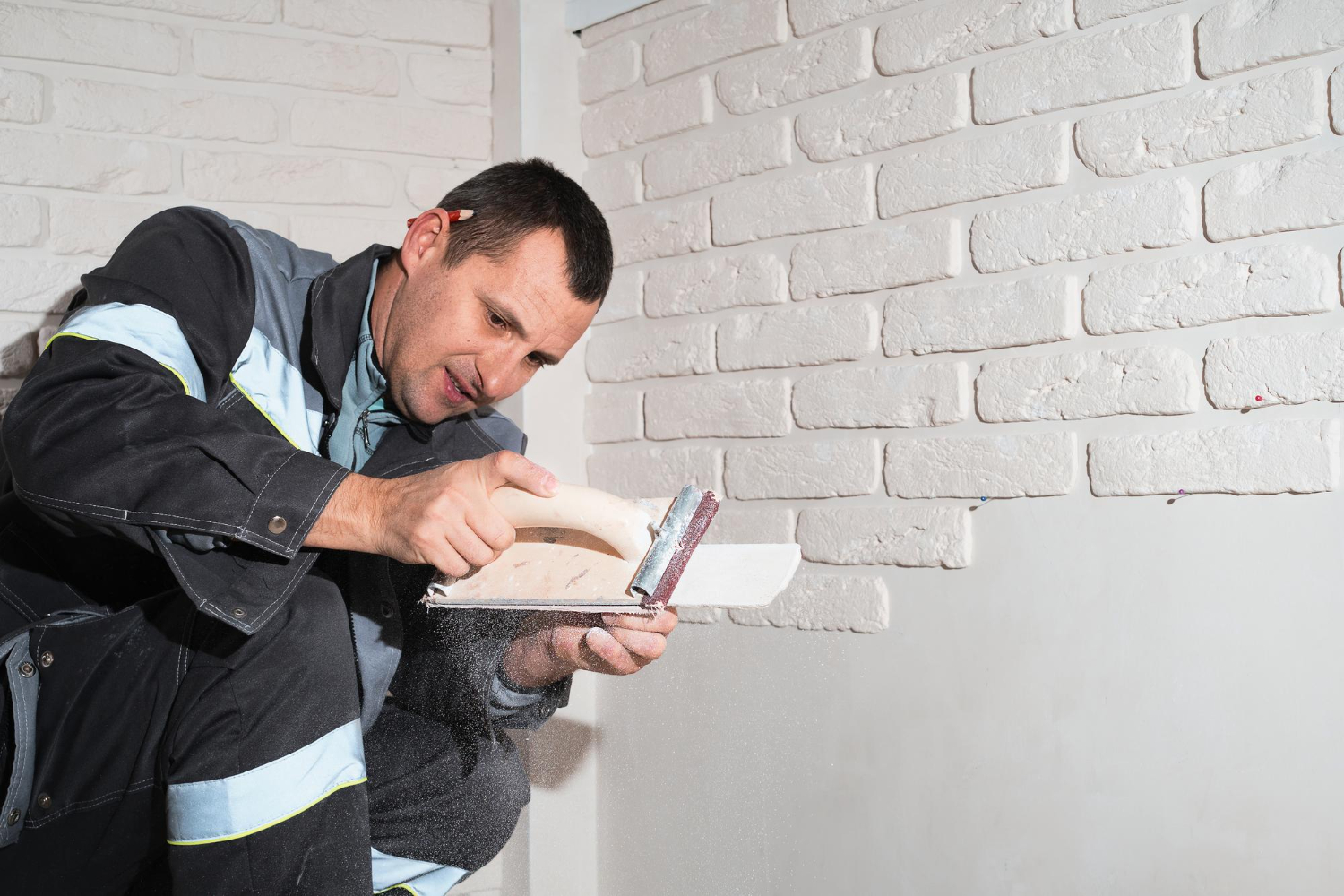
Professional restoration accelerates recovery by compressing the drying and cleanup timeline that would otherwise take a business weeks to manage alone. Certified teams arrive with commercial-scale equipment and a structured process designed to return the property to working condition as fast as safely possible, and they bring the manpower to work multiple areas at once.
The commercial restoration process
- Inspection and moisture mapping to identify all affected areas, including hidden moisture behind walls and under flooring
- High-capacity water extraction using truck-mounted and portable equipment sized for large spaces
- Structural drying and dehumidification with industrial air movers and commercial dehumidifiers
- Cleaning, sanitizing, and deodorizing to make the space safe and presentable for staff and customers
- Repairs and reconstruction to restore the property to pre-loss condition
A capable Orlando Restoration Company can often phase this work so that unaffected areas of a business reopen while restoration continues in the damaged zones, further reducing lost operating time. For a retail store or restaurant, reopening even part of the floor space quickly can preserve cash flow and customer goodwill during recovery. Our commercial crews also work to the IICRC S500 standard, which matters to a business because it means the drying is verified with documented moisture readings rather than assumed, protecting you from a callback weeks later when hidden moisture reveals itself as mold.
How can businesses protect inventory and equipment during recovery?
Protecting inventory and equipment starts with rapid removal and separation of salvageable items from those that are damaged. Electronics, documents, and stock should be moved to a dry, secure area quickly, since even brief water exposure can cause corrosion, warping, or contamination that renders items unsellable or inoperable.
Restoration professionals can help identify what is recoverable and apply specialized drying techniques to documents, electronics, and equipment that might otherwise be written off. Just as importantly, they address the moisture that threatens future losses. Because mold spreads fast in Florida’s humidity and can contaminate stored goods, integrating Mold Removal Orlando into the recovery process protects both your remaining inventory and your reopening timeline. Mold in a commercial space is not only a repair issue; it can become a health-code and liability issue if customers or employees are exposed.
Special considerations for restaurants and food-service businesses
Food-service operations face a stricter recovery path than most businesses because health regulations govern what can remain in the building. Any food, packaging, or single-use supplies touched by floodwater must be discarded, and surfaces that contact food require sanitizing that meets health-code standards before reopening. Walk-in coolers, prep areas, and floor drains all demand particular attention, because contamination there can shut down an inspection even after the visible cleanup looks complete. We prioritize these zones early in a restaurant recovery precisely because passing the reopening inspection, not just drying the building, is the real finish line for a food business.
How can Orlando businesses prepare for the next flood?
Preparation is the difference between chaos and a controlled recovery. Businesses that plan ahead reopen faster, lose less, and protect their reputations with customers and staff.
- Create a written emergency response plan with clear roles and shut-off procedures every manager knows
- Keep an updated contact list including your restoration provider, insurer, landlord, and utility companies
- Back up critical records digitally and store them off-site or in the cloud
- Elevate valuable equipment and inventory where flooding is a known risk
- Maintain roofing, drainage, and plumbing ahead of hurricane season
- Review commercial flood and property insurance so coverage gaps are addressed before a storm, not after
The Federal Emergency Management Agency (FEMA) offers valuable resources on commercial flood preparedness and recovery that pair well with a professional restoration partnership and help owners understand how commercial flood coverage works.
Building relationships before the emergency
One of the most overlooked forms of preparation is establishing a relationship with a restoration provider before you ever need one. Some restoration companies offer priority-response agreements for commercial clients, which move you to the front of the queue during a major storm event when demand spikes and every business in the region is calling at once. Having a walkthrough on file, so a crew already knows your floor plan, shut-off locations, and critical equipment, can shave hours off the initial response. For businesses in flood-prone parts of Orlando, that head start is often the single most valuable thing they can arrange in advance.

What role does insurance play in reopening quickly?
Insurance plays a central role because it funds the repairs that get you back in business, but claims move faster when documentation is thorough and organized from the start. Photograph all damage before cleanup begins, keep records of restoration work and expenses, and retain moisture readings and reports from your restoration team. This evidence supports a smoother, faster claim and reduces the risk of disputes that could delay your reopening or reduce your payout.
A restoration company experienced in commercial work can coordinate directly with adjusters, providing the technical documentation insurers need to approve a claim without back-and-forth delays. That coordination often shaves days off the recovery timeline. It is also worth understanding your business interruption coverage, if you carry it, since that protection can offset lost income during the closure and is claimed most successfully with the same detailed documentation. One distinction every owner should confirm before a storm is whether their policy covers flood at all, because standard commercial property policies typically exclude rising floodwater, which requires separate flood coverage. Discovering that gap after a hurricane is a painful and avoidable surprise.
How do you keep employees and customers informed during recovery?
Clear communication protects the two relationships a closure threatens most: your team and your customers. Employees need to know quickly whether to report to work, whether their hours are affected, and what the reopening plan looks like, because uncertainty drives good staff to seek other jobs. A short, honest update, even one that simply says you are working on it and will share a reopening date soon, goes a long way toward keeping a team intact through a disruption.
Customers, meanwhile, form new habits fast when a business goes dark. Posting updates on your website, social channels, and front door keeps your audience engaged and signals that you are handling the situation professionally. When you can phase a reopening, announcing that even part of your operation is back preserves momentum and reminds loyal customers you are still there. Businesses that communicate steadily through a recovery almost always retain more of their customer base than those that simply disappear until everything is perfect.
What are the most common causes of commercial flooding in Orlando?
Understanding where commercial water damage comes from helps owners target their prevention efforts and respond faster when it happens. In Central Florida, the causes cluster into a handful of recurring culprits that we see across offices, retail spaces, warehouses, and restaurants throughout the year.
- Storm and hurricane flooding that overwhelms drainage, breaches roofs, or drives water in around doors and windows
- Roof and skylight failures on flat commercial roofs, which pond water and leak under the sustained load of a heavy Florida downpour
- Burst supply lines and failed water heaters, often discovered on a Monday morning after running unnoticed all weekend
- HVAC condensation and clogged drain lines, which run constantly in Florida’s humidity and can quietly saturate ceilings and wall cavities
- Sewer and drain backups, which introduce Category 3 contamination and demand professional handling
- Fire-suppression sprinkler discharge, which can release large volumes of water into a space in minutes
The weekend and overnight failures are especially damaging for businesses precisely because no one is present to catch them early. A supply line that lets go on Friday evening can run until Monday, turning what might have been a minor loss into a flooded floor, ruined inventory, and a multi-week closure. This is one more reason a fast, round-the-clock response capability, and monitoring devices that alert you to water when the building is empty, are worth their cost many times over for a commercial property.
Your business flood recovery checklist
- Ensure safety first and confirm the building is safe to enter.
- Stop the water source and document all damage with photos and video.
- Call professional restoration immediately for extraction and structural drying.
- Separate and protect salvageable inventory and equipment.
- Address moisture and mold to prevent secondary losses.
- Coordinate with your insurer using thorough documentation.
- Phase reopening so unaffected areas resume operations quickly.
- Communicate with employees and customers throughout the recovery.
A flood does not have to mean weeks of lost business. With a fast, organized response and the right restoration partner, Orlando business owners can protect their assets, satisfy their insurers, keep their teams employed, and reopen their doors far sooner than they feared.
If your business has been hit by flooding or storm-related water damage, every hour counts. Contact us today for rapid, eco-friendly, IICRC-certified commercial restoration, and let our trusted local team help you get back to business around the clock. Visit https://goinggreenrestorationusa.com to reach the emergency response team.
Posted on Behalf of Going Green Restoration USA