 Spanish
DIY vs. Professional Water Damage Restoration: What’s Really Safer for Your Orlando Home?
When water floods a kitchen, seeps into a bedroom carpet, or backs up in a bathroom, most Orlando homeowners face the same instinctive question: can I handle this myself, or do I need to call a professional? The answer matters more than most people realize. Choosing between DIY and professional water damage restoration is not just about saving money, it is about protecting your health, your home’s structure, and your long-term costs. This guide breaks down what each approach actually involves so you can make a confident, informed decision instead of a panicked one.
We see the aftermath of well-intentioned DIY efforts every week, and the lesson is consistent: some water problems are genuinely manageable at home, while others quietly grow into far larger disasters when handled without the right tools and training. Knowing which category your situation falls into is the most valuable judgment you can make in the first hour, and it is the judgment we want to help you make clearly.
What is the difference between DIY and professional water damage restoration?
The core difference is depth. DIY water damage cleanup addresses what you can see and reach, while professional water damage restoration addresses the moisture you cannot. Homeowners can mop, blot, and run fans across a visible spill. Certified technicians, by contrast, measure hidden moisture inside walls and subfloors, extract water with commercial equipment, and verify that a structure is fully dry before anyone begins rebuilding.
Restoration is a defined industry process with recognized standards. It typically includes inspection and moisture mapping, water extraction, structural drying, dehumidification, cleaning and sanitizing, and finally repair and reconstruction. A DIY approach usually covers only the first and simplest of these stages, which is exactly where hidden risk begins. The water you can see is rarely the water that causes long-term damage; the trapped moisture inside porous materials is what feeds mold and weakens structure.
It helps to understand that professionals do not simply own bigger fans. They work to the IICRC S500 standard, which defines how a structure is assessed, how drying equipment is calculated for the size and materials of the affected space, and how completion is verified with numerical moisture readings rather than a hand on the wall. That framework is the real difference between a professional dry-out and an ambitious weekend project, and it is the reason the two produce such different outcomes.
When is DIY water damage cleanup actually safe?
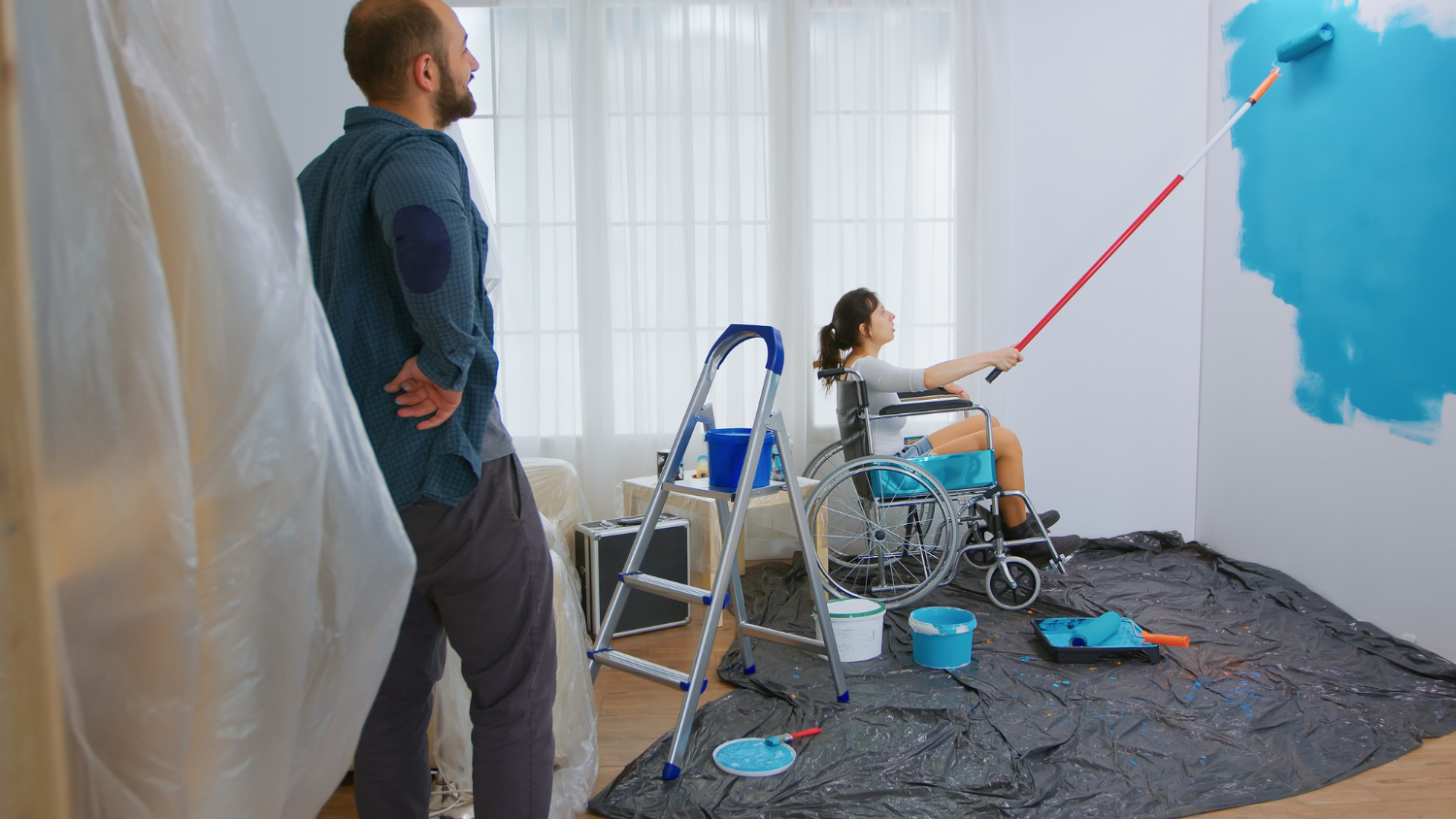
DIY cleanup is reasonable when the water is clean, the area is small, and you catch it immediately. A cup of spilled water, a minor sink overflow, or a small drip caught within minutes rarely requires a professional crew, provided you dry the area thoroughly and confirm nothing soaked into walls or flooring.
Situations where DIY may be appropriate
- Clean water only from a supply line, a bottle, or condensation, with no contamination present
- A small footprint, generally under a few square feet on a hard, non-porous surface
- Immediate response, where the water has not had time to soak into porous materials
- No electrical hazard and no sign of water spreading beyond the visible area
- No lingering moisture once you have dried the surface and checked adjacent materials
Even in these cases, drying thoroughly is essential. The U.S. Environmental Protection Agency (EPA) notes that mold can begin developing on damp materials within 24 to 48 hours, so any moisture left behind, even from a small spill, can become a problem. If you are not fully confident the area is dry within a day, treat it as a larger event and reassess. In our Orlando service calls, the borderline case that most often goes wrong is a spill on a tile floor that quietly seeps under the baseboards and into the wall behind, where a homeowner never thinks to check.
When should you call a professional instead of doing it yourself?
You should call a professional whenever the water is contaminated, the affected area is large, or moisture may have reached inside walls, ceilings, or flooring. These are the situations where DIY efforts most often fall short and where delay does the most damage, because the problem is compounding out of sight while surface areas appear to dry.
- Category 2 or 3 water, such as appliance discharge, sewage, or floodwater, which carries bacteria and contaminants
- Water that has sat for hours and likely migrated into porous materials and wall cavities
- Storm or flood intrusion, common during Orlando’s rainy season and hurricanes
- Any musty odor, discoloration, or visible mold, which signals microbial growth is already underway
- Water near electrical systems or HVAC equipment, where safety risk is high
- Multiple rooms or multiple floors affected, which points to a large-volume event
In these scenarios, professional Orlando Water Damage Restoration is not a luxury, it is the safer path. Because these emergencies rarely happen at convenient hours, 24/7 Emergency Restoration Orlando response ensures water is removed before it spreads further into your home, which is precisely the outcome that keeps a modest loss from becoming a full renovation.
Understanding the three water categories
The single most useful concept a homeowner can learn before deciding is the water category, because it drives everything else. Category 1 is clean water from a sanitary source, such as a supply line or an overflowing faucet. Category 2, often called gray water, carries some contamination and comes from sources like a dishwasher or washing machine discharge or a toilet overflow containing urine but no solids. Category 3, black water, is grossly contaminated and includes sewage backups, rising river or storm floodwater, and any water that has picked up serious pathogens. Category 3 water is never a DIY job under any circumstances; it requires containment, protective equipment, and disposal protocols that homeowners simply do not have. Just as important, a Category 1 loss degrades to Category 2 or 3 the longer it sits, which is another reason time is never on your side.

What are the hidden risks of DIY water damage restoration?
The biggest danger of DIY restoration is what you cannot detect. Surfaces may feel dry to the touch while moisture remains trapped inside drywall, insulation, and subflooring. That trapped moisture is the perfect breeding ground for mold and can silently weaken structural materials over time. Homeowners frequently believe a problem is solved because the carpet feels dry, only to discover blackened drywall or warped subflooring weeks later.
Health risks
Contaminated water and mold both carry real health consequences. The Centers for Disease Control and Prevention (CDC) reports that exposure to damp and moldy environments can cause respiratory symptoms, allergic reactions, and irritation, particularly for children, older adults, and people with asthma or weakened immune systems. Without proper containment and protective equipment, a DIY mold cleanup can actually spread spores throughout the home, turning a localized problem into a whole-house one.
Structural and financial risks
Undetected moisture can lead to warped flooring, swollen framing, delaminated subflooring, and compromised drywall that must eventually be replaced anyway, often at a higher cost than early professional intervention would have carried. There is also the risk to an insurance claim: if damage worsens because it was handled improperly or documented poorly, an insurer may question the loss. This is one reason many homeowners pursue thorough Mold Removal Orlando alongside water restoration, ensuring the source moisture and any resulting growth are both fully addressed rather than sealed inside the structure.
The insurance documentation gap
DIY restoration carries a quieter risk that surfaces only when you file a claim: the absence of professional documentation. When a certified crew handles a loss, they produce dated moisture logs, photographs, and a scope of work that an adjuster recognizes and trusts. A homeowner who dried the space alone and then discovers hidden damage weeks later has none of that, and often faces an insurer arguing that the delayed damage was a maintenance issue rather than a covered sudden loss. We have watched homeowners lose thousands in coverage not because the damage was excluded, but because no one could prove when it happened or how it was handled. Professional records close that gap.
Is professional restoration worth the cost?
For anything beyond a minor clean-water spill, professional restoration is almost always worth it because it prevents the far larger expenses of mold remediation, structural repair, and repeated cleanups. Certified technicians also document moisture readings and the drying process, which strengthens insurance claims and provides proof the work was completed to industry standards.
Professionals bring three advantages that DIY simply cannot match: industrial extraction and drying equipment sized to the actual moisture load, the training to find hidden moisture with meters and thermal imaging, and the certifications that insurers and inspectors trust. A reputable Orlando Restoration Company combines all three, turning a stressful emergency into a managed, documented recovery. When you weigh the cost of professional service against the cost of tearing out and rebuilding a mold-damaged wall months later, the math usually favors calling early.
How do professionals decide what can be saved?
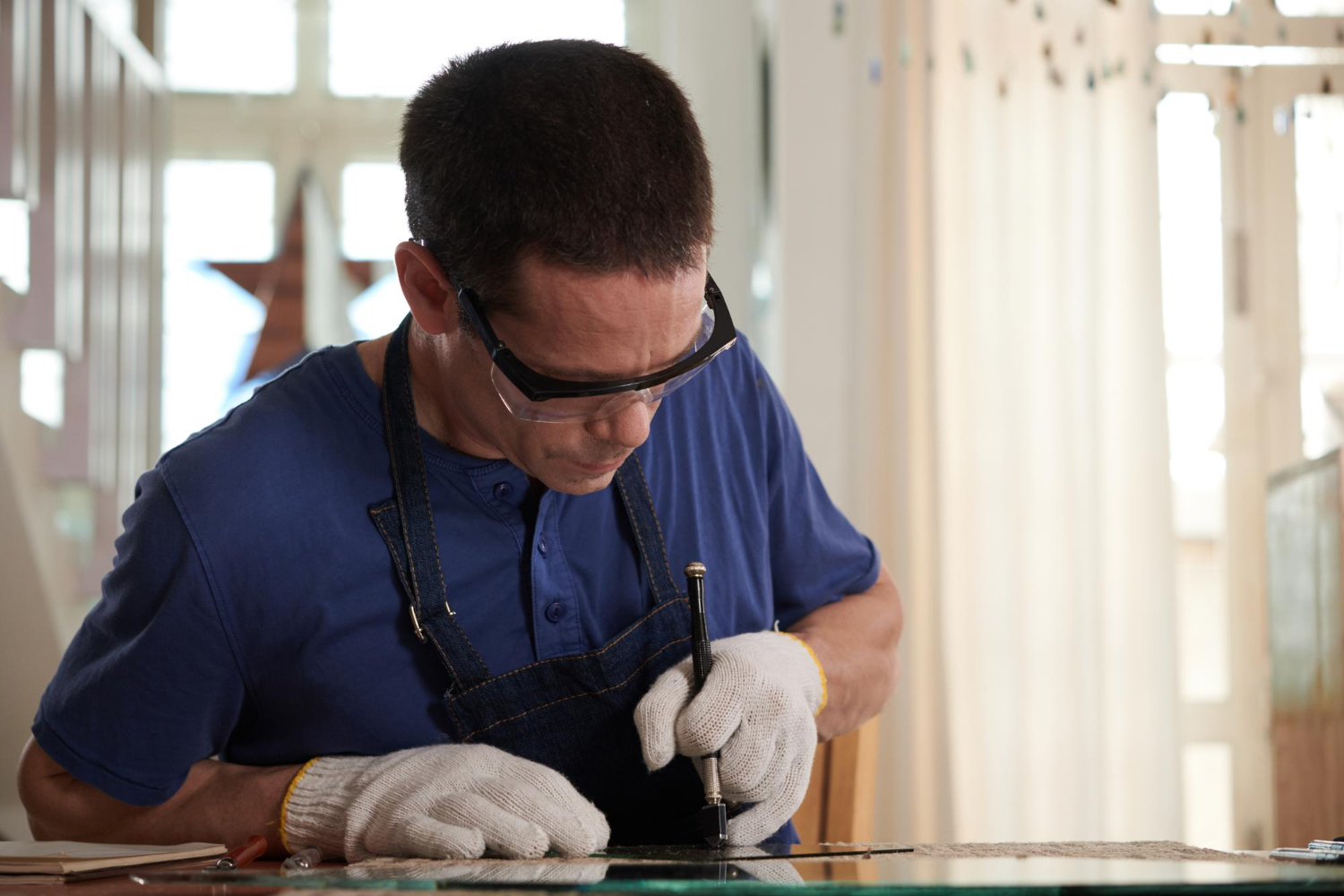
One of the most valuable things a professional brings is the judgment to separate what can be dried and saved from what must be removed. Not every wet material is a loss, and not every dry-looking material is safe. Technicians assess the water category, how long materials were saturated, and how porous each material is. Solid hardwood may be salvageable with controlled drying, while saturated carpet padding and wet drywall below a certain height are typically removed. This triage protects your home from unnecessary demolition while ensuring nothing dangerous is left in place, a balance that is very difficult to strike without training. The goal is always to preserve as much of your home as can be safely and completely dried, not to tear out more than necessary.
What does the professional restoration process actually look like?
The professional process follows a defined sequence, and knowing it demystifies what you are paying for. It begins with inspection and moisture mapping, where technicians identify the water source, categorize contamination, and use meters and thermal cameras to trace the full extent of the moisture. Extraction follows, removing standing water with truck-mounted or portable equipment far more powerful than any household vacuum. Then comes structural drying and dehumidification, the longest phase, where air movers and commercial dehumidifiers pull moisture out of framing and subfloors over several days while readings are logged daily.
Cleaning and sanitizing address any contamination and lingering odor, which matters most when the water was gray or black. Finally, repair and reconstruction return the home to its pre-loss condition, replacing whatever had to be removed. At every step, a trustworthy crew documents its work, so that you and your insurer share a clear record. Understanding this arc helps a homeowner see why the two-day DIY dry-out and the professional job are not the same service at different prices; they are different services entirely.
How can Orlando homeowners prepare before water damage happens?
Preparation shortens response time and reduces damage. A few simple habits make a meaningful difference when an emergency actually arrives.
- Know your main water shut-off valve and how to close it quickly in the dark
- Inspect appliance hoses and water heaters for wear, bulging, or corrosion before they fail
- Maintain gutters, roofing, and grading ahead of the rainy season
- Keep a trusted restoration company’s contact information accessible and saved
- Review your insurance coverage so you understand what is protected and what is excluded
- Consider leak sensors near appliances and water heaters for early warning
For homeowners recovering from larger flood events, the Federal Emergency Management Agency (FEMA) provides guidance on documentation and recovery that complements professional restoration work and clarifies how flood coverage differs from standard homeowner policies.
DIY vs. professional: the bottom line
Small, clean, immediate spills can often be handled at home with quick action and thorough drying. But contaminated water, large affected areas, storm intrusion, or any sign of mold call for professional restoration to protect your health and your home. When in doubt, the safer choice is to have a certified team assess the situation before hidden moisture becomes a hidden disaster. An assessment costs far less than the demolition that follows a problem allowed to grow.
If you are unsure whether your water damage is a DIY job or a call for the experts, do not gamble with your family’s safety or your home’s structure. Contact us today for a fast, eco-friendly, IICRC-certified assessment, and get the trusted local guidance Orlando homeowners rely on around the clock. Visit https://goinggreenrestorationusa.com to schedule your assessment.
Posted on Behalf of Going Green Restoration USA