 Spanish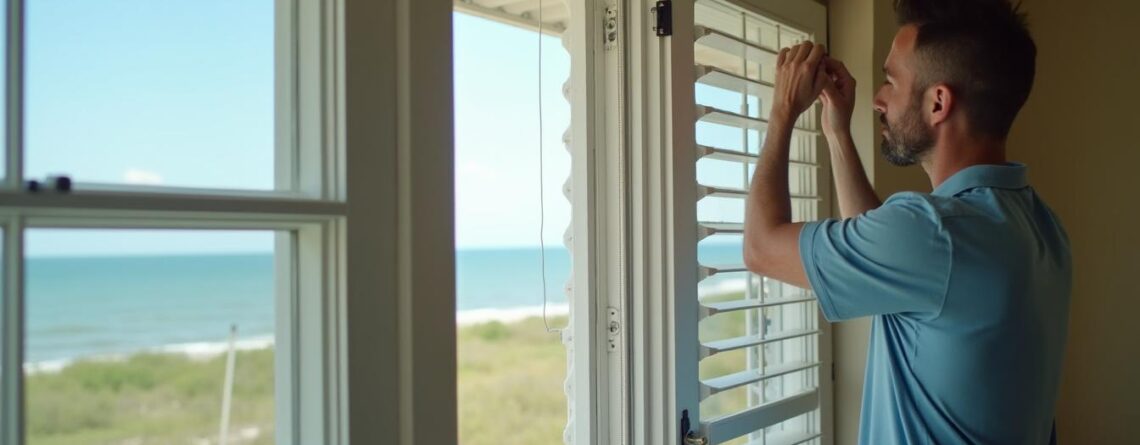
How to Prepare Your Florida Home for Storm Season
If you live in Central Florida, you already know that summer brings more than sunshine and afternoon thunderstorms. Hurricane season runs from June 1 through November 30, and here in the Orlando area, neighborhoods from Altamonte Springs to Apopka to Windermere can feel the effects of a major storm even when we are dozens of miles inland. High winds, driving rain, and flooding do not stop at the coastline, and preparation is what separates a stressful season from a manageable one.
We are Going Green Restoration USA, a veteran-owned, IICRC-certified restoration company that has served Orlando homeowners since 2014. Over the years, we have helped countless families recover from storm and water damage, and we have learned that the homes that fare best are almost always the ones that got ready before the first named storm ever formed. Below is a practical, room-by-room and yard-by-yard guide to preparing your Florida home, staying safe during a storm, and knowing exactly what to do once the skies clear.
Why Does Early Preparation Matter So Much in Central Florida?
The single biggest advantage a homeowner can give themselves is time, because the busiest stores and the longest lines always appear the moment a storm enters the forecast cone. Waiting until a hurricane is a few days out means competing with your entire community for plywood, sandbags, water, and generators. Preparing early also means you can make thoughtful decisions about your roof, trees, and important documents instead of rushed ones.
Central Florida’s mix of older homes, mature oak trees, and low-lying areas makes us uniquely vulnerable to both wind and water intrusion. A little planning in May or early June pays off for the entire season, and the checklists below are designed to be worked through over a few weekends rather than a single frantic afternoon. If you want to understand how quickly the pros respond when things go wrong, it helps to know what a water damage emergency in your home actually looks like before you ever face one.
What Should You Do Before Storm Season Begins?
The best time to prepare your home is on a calm, sunny day when you can inspect everything carefully and calmly. Getting your property season-ready is less about one big project and more about a series of small, manageable tasks that add up to real protection.
Start outside and work your way in:
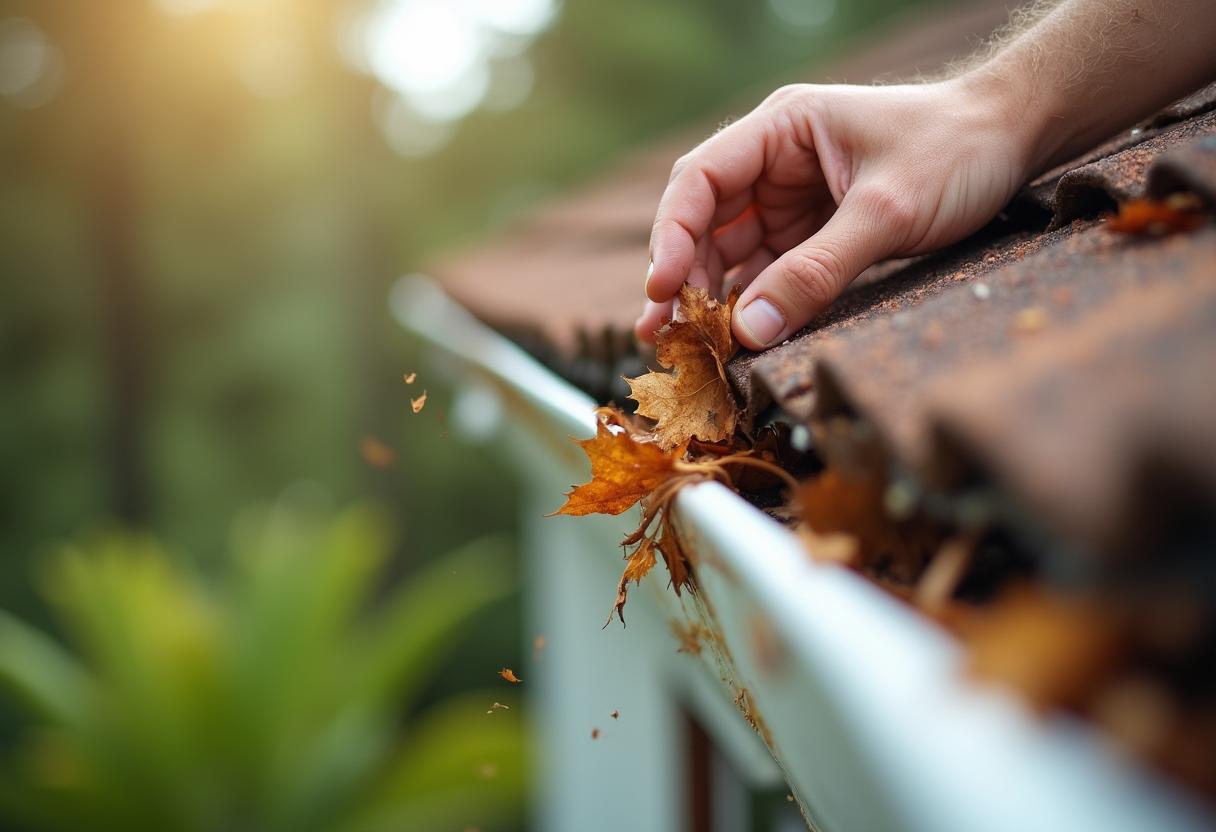
- Inspect your roof and gutters. Look for loose, cracked, or missing shingles, and check flashing around vents and chimneys. Clear gutters and downspouts of leaves and debris so water can drain away from your home instead of pooling near the foundation.
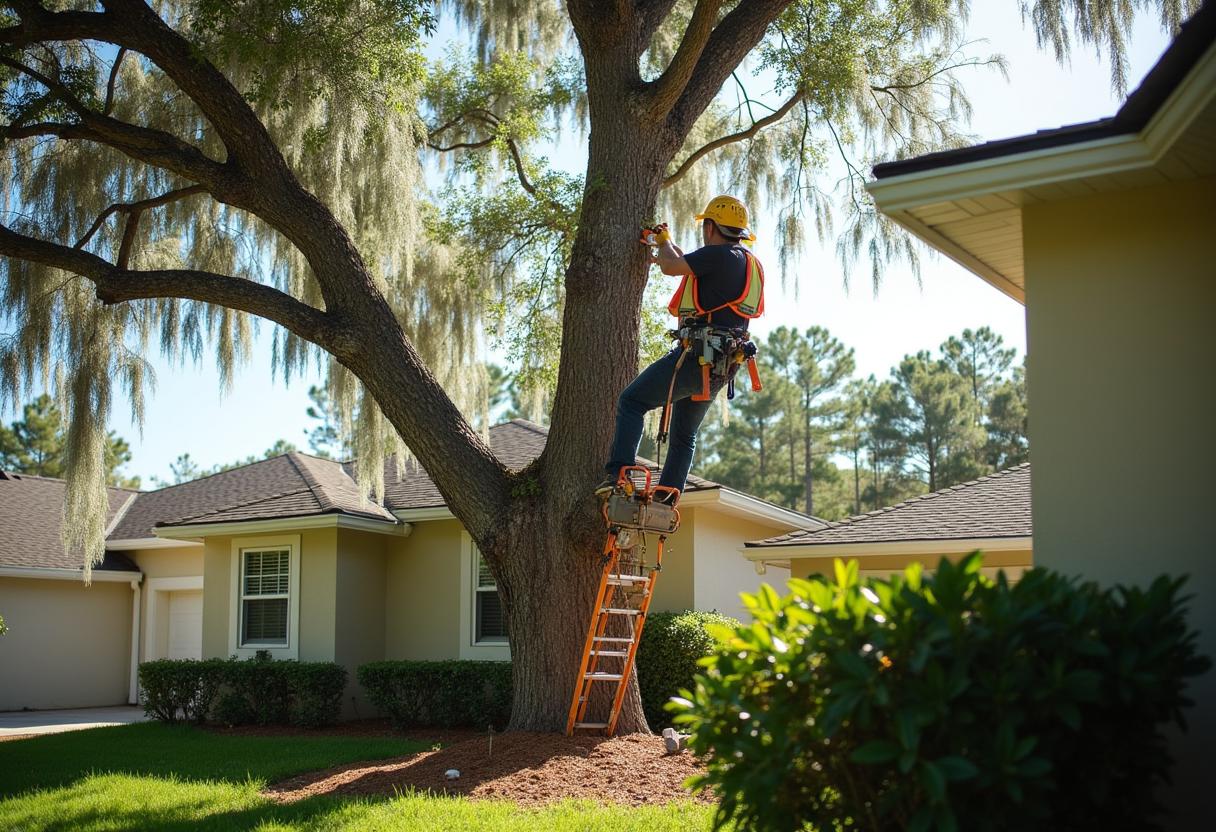
- Trim trees and clear the yard. Remove dead or overhanging branches near your house, and cut back limbs that could fall on the roof or power lines. Central Florida’s large oaks and pines are beautiful, but weak branches become dangerous projectiles in high wind.
- Check seals and openings. Reseal gaps around windows, doors, and where pipes or cables enter the house. Test that windows and doors close tightly, and consider storm shutters or pre-cut plywood panels for large glass areas.
- Secure loose outdoor items. Plan where you will store patio furniture, grills, planters, and trash cans, so you are not scrambling when a warning is issued.
- Document your belongings. Walk through each room with your phone and record video or take photos of your possessions, appliances, and the condition of your home. This documentation is invaluable if you ever need to file an insurance claim.
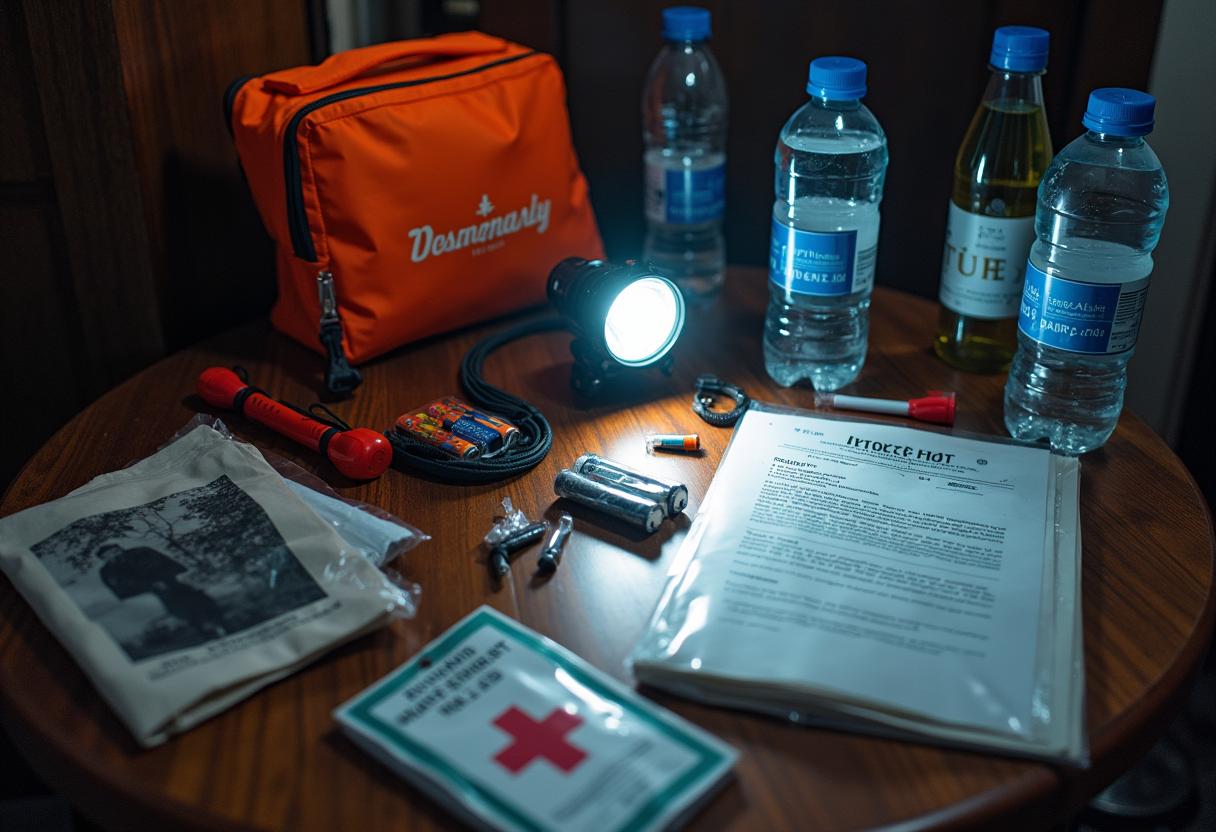
- Build an emergency kit. Stock at least three to seven days of supplies, including water, non-perishable food, flashlights, batteries, a first-aid kit, medications, a battery or hand-crank radio, phone chargers, and cash.
- Protect important documents. Gather insurance policies, identification, deeds, medical records, and your home inventory into a waterproof, portable container, and save digital copies to the cloud or a secure email.
A home that has been inspected, sealed, and documented before June is far better positioned to survive a storm with minimal loss than one prepared at the last minute. For a comprehensive, checklist-style overview from federal emergency officials, the Ready.gov hurricanes guide is an excellent companion to the steps above. Sealing gaps and clearing drainage now is also your first line of defense against the kind of intrusion that leads to professional water damage restoration later.
How Do You Build a Family Emergency Plan?
An emergency kit protects your body, but an emergency plan protects your family’s peace of mind when communication and travel become difficult. Sit down with everyone in your household before the season and make sure each person knows what to do.
Your plan should cover:
- Communication. Choose an out-of-town contact everyone can check in with, since local lines are often overwhelmed during a storm.
- Evacuation routes. Know your evacuation zone and at least two ways out of the area, plus a nearby shelter and a farther destination in case you need to leave the region.
- Meeting points. Agree on where the family will reunite if you are separated.
- Pets and special needs. Plan for pet supplies and carriers, and account for anyone who requires medication, mobility assistance, or medical equipment.
Families who rehearse their plan even once before hurricane season respond faster and more calmly when a real warning arrives.
How Can You Stay Safe During the Storm?
Once a storm is bearing down on Central Florida, your priority shifts entirely from property to people, because no possession is worth a personal risk. Staying informed and staying put in a safe location are the two rules that matter most.
Keep these guidelines in mind while the storm passes:
- Stay indoors and away from windows. Shelter in an interior room on the lowest safe floor, away from glass. A hallway, bathroom, or closet often makes the safest refuge.
- Monitor official updates. Follow local emergency officials and the National Weather Service for warnings, and do not rely on rumors or social media alone.
- Never go outside during the eye. The calm center of a hurricane is temporary, and dangerous winds return quickly from the opposite direction.
- Avoid floodwater. Do not walk or drive through flooded roads, since just a few inches of moving water can sweep away a vehicle or knock you off your feet.
- Use generators safely. Run portable generators only outdoors, well away from windows and doors, to prevent deadly carbon monoxide buildup.
- Conserve phone battery. Keep devices charged before the storm and use them sparingly so you can reach help if needed.
The safest choice during any hurricane is to ride it out in a secure interior space and wait for official confirmation that it is safe to venture out.
What Should You Inspect After the Storm Passes?
When the winds die down, the recovery phase begins, but the first hours after a storm still carry real hazards that call for caution. Wait for local authorities to declare the area safe before you go outside, and approach your home carefully.
Once it is safe, inspect methodically:
- Watch for hazards first. Stay clear of downed power lines, standing water, and damaged gas lines. If you smell gas or suspect electrical damage, leave and call the utility company.
- Check the roof and exterior. Look for missing shingles, dents, punctures, and lifted flashing, and note any tree limbs resting on the structure.
- Inspect for water intrusion. Check ceilings, walls, and around windows for stains, bubbling paint, or dampness, and look in the attic for daylight or wet insulation.
- Examine the interior and lower levels. Water can seep in quietly, so check floors, baseboards, and any lower-lying rooms for moisture, warping, or a musty smell.
- Document everything. Before you clean up or move anything, photograph and video all damage for your insurance company, and compare it to your pre-season records.
- Act quickly on water. Standing water and soaked materials can lead to mold growth within a day or two, so time is critical.
Water damage that is addressed within the first 24 to 48 hours is far easier to remediate than damage left to spread, which is why a prompt, thorough inspection is so important. If you spot signs of intrusion, knowing how to handle a sudden water damage emergency in your home can save you thousands in secondary damage, and our team is always ready to help you understand your options at Going Green Restoration USA.
Who Should You Call for Storm and Water Damage?
When you find damage, the fastest path back to normal is to bring in certified restoration professionals rather than trying to manage a major cleanup on your own. Storm and water damage often go deeper than what is visible on the surface, and improper drying can leave lasting problems behind.
Here is where professional help makes the difference:
- Storm damage restoration. We address wind and rain damage to roofs, walls, and structures, securing your home and beginning repairs so the problem does not worsen.
- Water damage restoration. Our water damage restoration services extract standing water, dry affected areas thoroughly, and treat spaces to help prevent mold, protecting both your home and your family’s health.
- Fast, around-the-clock response. Storms do not keep business hours, and neither do we, with 24/7 availability across the Orlando area.
A qualified, IICRC-certified restoration company brings the training, equipment, and experience needed to dry a home correctly the first time and prevent small problems from becoming expensive ones.
We Are Here When Central Florida Needs Us
Preparing your Florida home for storm season is one of the most worthwhile investments of time you can make as a homeowner, and every checklist above is meant to be practical enough to start this weekend. From reinforcing your roof to documenting your belongings, each step reduces the stress and cost of whatever the season brings.
And when a storm does leave damage behind, you do not have to face the cleanup alone. As a veteran-owned company serving Altamonte Springs, Apopka, Windermere, and the greater Orlando area since 2014, we take pride in helping our neighbors recover quickly and completely. If you discover storm or water damage this season, contact Going Green Restoration any time at 407-800-9204, and our 24/7 team will be ready to help you get your home back to normal.
Frequently Asked Questions
When does hurricane season start in Florida?
Hurricane season runs from June 1 through November 30. The best time to prepare your Florida home is on a calm, sunny day before the first named storm forms, ideally in May or early June, so you are not competing with your community for plywood, water, and generators.
What should be in a home emergency kit for storm season?
Stock at least three to seven days of supplies: water, non-perishable food, flashlights, batteries, a first-aid kit, medications, a battery or hand-crank radio, phone chargers, and cash. Keep important documents in a waterproof, portable container with digital backups.
How do I prepare my roof and yard for a hurricane?
Inspect the roof for loose or missing shingles, clear gutters and downspouts, trim dead or overhanging branches near the house and power lines, and secure or store loose outdoor items like patio furniture, grills, and trash cans.
What should I do after a storm passes?
Wait for authorities to declare the area safe, then watch for downed power lines and gas hazards, inspect the roof and exterior, check ceilings and walls for water intrusion, and document all damage with photos before cleaning up. Address any water within 24 to 48 hours to prevent mold.
Is it safe to go outside during the eye of a hurricane?
No. The calm center of a hurricane is temporary, and dangerous winds return quickly from the opposite direction. Stay in a secure interior room away from windows until officials confirm it is safe to venture out.
Who do I call for storm or water damage in Orlando?
A veteran-owned, IICRC-certified restoration company like Going Green Restoration serves Altamonte Springs, Apopka, Windermere, and the greater Orlando area with 24/7 storm and water damage response. Call 407-800-9204 anytime.
Posted on Behalf of Going Green Restoration USA