 Spanish
Common Water Damage Myths, And What the Facts Say
Water damage is one of the most stressful and expensive emergencies a property owner can face, and unfortunately, it is also one of the most misunderstood. Whether you are a longtime Orlando resident who has weathered multiple hurricane seasons, a vacation property owner managing a rental from out of state, or a business owner dealing with an unexpected pipe burst, the decisions you make in the first hours after water damage occurs can mean the difference between a straightforward restoration and a drawn-out, costly disaster.
The problem is that bad information spreads just as quickly as floodwater. Myths about water damage, what causes it, how to fix it, and when to call a professional, circulate freely among homeowners, online forums, and even well-meaning friends and neighbors. These misconceptions can lead people to delay critical action, attempt risky DIY fixes, or underestimate the health and structural risks lurking behind what looks like a minor leak.
At Going Green Restoration USA, we have seen firsthand how these myths lead to bigger problems and higher costs for Orlando property owners. In this guide, we are setting the record straight. We will walk through the most common water damage myths, explain what the science and industry standards actually say, and show you how professional restoration protects your home, your health, and your wallet.
Myth: A Small Leak Is Not a Big Deal
The Facts About Hidden Water Damage
This is one of the most dangerous myths in the restoration industry, and it costs Orlando homeowners millions of dollars every year. A small leak, a dripping pipe under the bathroom sink, a barely noticeable stain on the ceiling, a window that lets in a trickle of rain during a storm, might seem harmless. But water is persistent, and it follows the path of least resistance through your walls, floors, and structural components. What starts as a minor drip can saturate drywall, soak insulation, warp subfloor material, and create the perfect conditions for mold growth, all without any visible signs on the surface.
The Federal Emergency Management Agency (FEMA) stresses the importance of addressing water problems immediately because even small amounts of persistent moisture can lead to significant structural damage over time (FEMA Flood and Disaster Recovery Resources). In Orlando’s humid subtropical climate, where indoor humidity levels are already elevated for much of the year, a small leak has even less margin for error. Moisture that would eventually evaporate in a drier environment can linger for weeks in a Florida home, feeding mold colonies and weakening building materials long before you notice a problem.
The takeaway is clear: no leak is too small to investigate. If you notice discoloration, a musty smell, bubbling paint, or warped flooring, even in a small area, it is time to call a professional. Going Green Restoration USA offers expert Orlando Water Damage Restoration services that include advanced moisture detection using infrared cameras and commercial-grade meters to find hidden water damage before it becomes a major problem.
Myth: You Can Fully Dry Out Water Damage With a Mop and Open Windows
Why Household Drying Methods Fall Short
After a flood or a burst pipe, many homeowners rush to grab a mop, open the windows, turn on ceiling fans, and point a few box fans at the wet areas. It feels proactive, and it seems logical. But here is the reality: household fans and natural ventilation are not even close to sufficient for drying a water-damaged structure. In fact, in Orlando’s climate, opening windows on a humid day can actually make the problem worse by introducing more moisture into the already-saturated environment.
Professional water damage restoration relies on a science called psychrometrics, the study of how air, temperature, and moisture interact. Certified restoration technicians use commercial dehumidifiers that can remove dozens of gallons of water from the air per day, high-velocity air movers positioned at precise angles to maximize evaporation from walls and floors, and moisture monitoring equipment that tracks the drying progress of every affected material down to its specific moisture content. The IICRC S500 Standard for Professional Water Damage Restoration establishes detailed protocols for this process, and these protocols exist because improper drying is one of the leading causes of secondary damage, including mold growth, structural warping, and material degradation.
If your Orlando home or business has experienced water damage, do not rely on household methods. The difference between professional drying and DIY attempts is the difference between a fully restored property and one with hidden problems that surface months later. Going Green Restoration USA provides comprehensive Orlando Water Clean Up & Restoration services using industrial-grade equipment and science-based drying protocols to ensure every affected area is returned to its pre-loss condition.
Myth: If It Looks Dry, It Is Dry
The Danger of Hidden Moisture
Surfaces can appear completely dry to the naked eye while the materials underneath, the subfloor, the wall cavities, the insulation, the framing, remain dangerously wet. Water migrates through porous building materials by capillary action, meaning it can travel upward and sideways through drywall, wood, and concrete far beyond the point of the original intrusion. A wall that looks perfectly fine on the outside can be holding significant moisture on the inside, creating an invisible breeding ground for mold and bacteria.
This is why professional restoration technicians never rely on visual inspection alone. They use moisture meters that can read the moisture content of wood, drywall, and concrete. They use infrared thermal imaging cameras that detect temperature differentials caused by hidden moisture. They take readings at multiple points throughout the affected area, document the results, and continue the drying process until every reading falls within acceptable parameters. The U.S. Environmental Protection Agency (EPA) recommends that wet or damp materials be dried within 24 to 48 hours to prevent mold growth (EPA Mold Cleanup and Remediation Guidelines), and meeting that window requires the kind of rapid, thorough response that only professional equipment can provide.
Myth: All Water Damage Is the Same
Understanding Water Contamination Categories
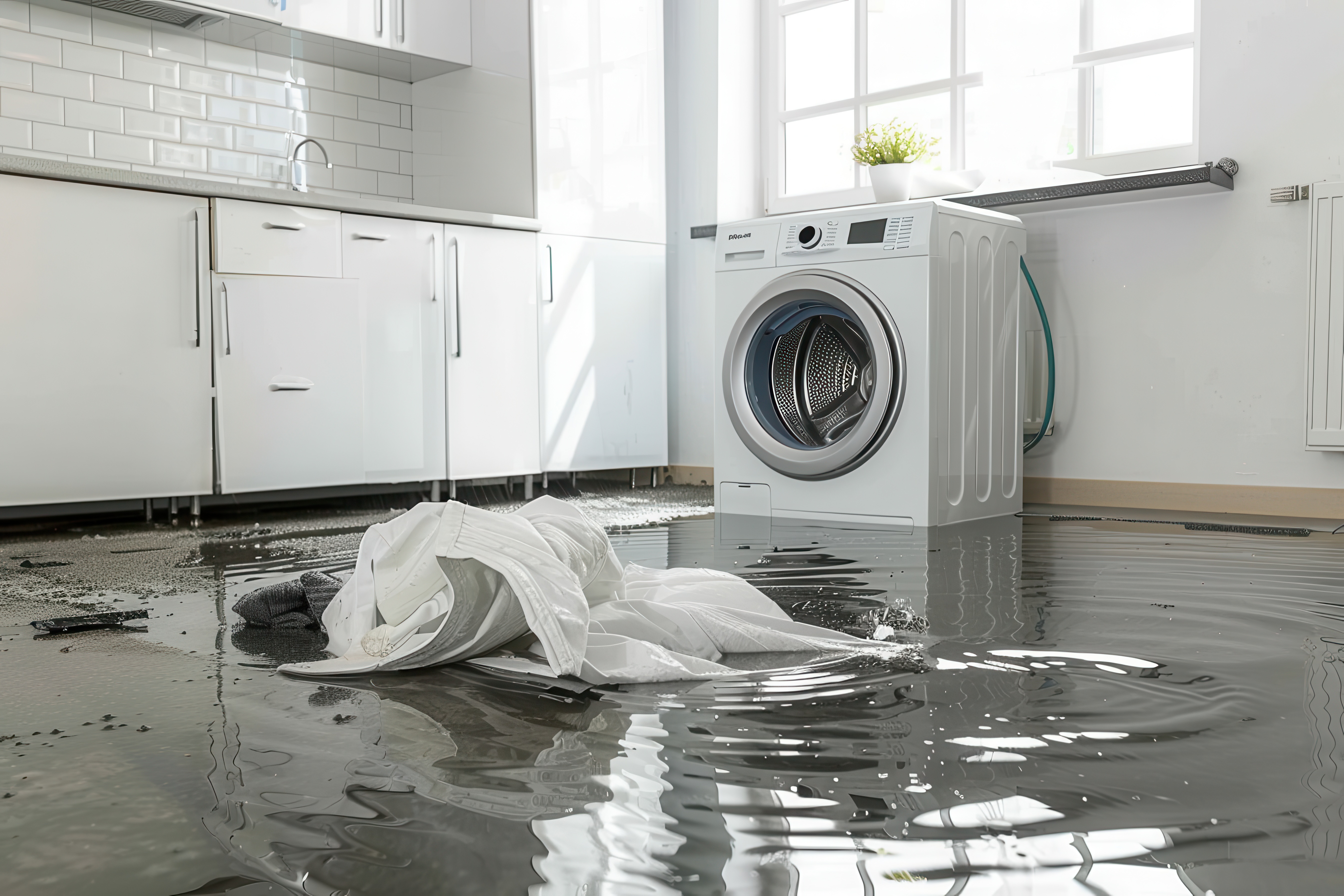
Many homeowners assume that water is water, whether it comes from a broken pipe, a leaking dishwasher, or a flooded yard. In reality, the restoration industry classifies water damage into three distinct categories based on the level of contamination, and each one requires a very different response.
Category 1 water is clean water from a sanitary source, such as a broken supply line or a leaking faucet. While it still requires prompt attention and thorough drying, the health risks are minimal. Category 2 water, often called gray water, contains significant levels of chemical or biological contaminants. This includes water from washing machine overflows, dishwasher leaks, and toilet overflows without feces. Category 3 water, the most dangerous, is grossly contaminated and may contain sewage, bacteria, viruses, and other pathogens. Floodwater, storm surge, and sewage backups all fall into Category 3 and require specialized personal protective equipment, antimicrobial treatments, and the removal of all porous materials that came into contact with the contaminated water.
What makes this particularly important for Orlando property owners is that Category 1 water can degrade to Category 2 or Category 3 if left untreated. A clean water leak that sits for 48 hours in a warm Florida home begins to harbor bacteria and other microorganisms, escalating the contamination level and increasing both the health risks and the cost of restoration. For flood-related emergencies and contaminated water events, Going Green Restoration USA provides specialized Orlando Flood Damage Repair services that follow strict industry protocols for each contamination category.
Myth: Bleach Kills Mold and Solves the Problem
Why Bleach Is Not an Effective Mold Remediation Strategy
Reach under the kitchen sink for a bottle of bleach, that is the instinctive response most people have when they see mold growing on a surface. And while bleach can kill surface mold on non-porous materials like tile or glass, it is largely ineffective on the porous materials where mold actually does the most damage: drywall, wood, carpet, and insulation. Bleach is primarily water with sodium hypochlorite, and when you apply it to a porous surface, the chlorine component stays on the surface while the water penetrates into the material, actually adding moisture to the environment where mold roots (called hyphae) are growing.
Professional mold remediation is a multi-step process that involves containment of the affected area, HEPA-filtered air scrubbing to capture airborne spores, removal of contaminated porous materials, application of professional-grade antimicrobial treatments, and post-remediation verification to confirm that spore levels have returned to acceptable thresholds. The Centers for Disease Control and Prevention (CDC) notes that exposure to mold can cause respiratory symptoms, coughing, wheezing, and worsen asthma in sensitive individuals (CDC Mold and Health Information), which is why proper remediation, not just surface cleaning, is so important for protecting your family’s health.
If you have discovered mold in your Orlando home or business, skip the bleach and call Going Green Restoration USA. We offer comprehensive Mold Removal Orlando services that follow IICRC S520 standards and EPA guidelines to ensure complete, safe, and lasting remediation.
Myth: Mold Takes Weeks to Grow After Water Damage
The 24-to-48-Hour Reality
One of the most common and most dangerous misconceptions about mold is that it takes a long time to develop. Many homeowners believe they have days or even weeks to address water damage before mold becomes a concern. The reality is far more urgent: under the right conditions, warm temperatures, high humidity, and an organic food source, mold can begin colonizing within 24 to 48 hours of a moisture event.
In Orlando, those conditions are present for most of the year. Average temperatures remain above 70 degrees Fahrenheit from March through November, and relative humidity routinely exceeds 70 percent. This means that any water intrusion event, whether it is a burst pipe, a roof leak during a summer thunderstorm, or flooding from a tropical weather system, triggers an immediate countdown. Every hour of delay between the moisture event and the start of professional drying increases the probability of mold growth exponentially.
This is why emergency response time matters so much. Going Green Restoration USA provides 24/7 Emergency Restoration Orlando services because we understand that the clock starts ticking the moment water enters your property. Our certified technicians respond rapidly, begin extraction and drying immediately, and monitor conditions continuously to stop mold before it starts.
Myth: Water Damage Only Matters if You Can See It
The Structural Risks You Cannot See
Some of the most severe water damage occurs in places no one ever looks: inside wall cavities, beneath floor assemblies, above ceiling tiles, inside HVAC ductwork, and within the crawl space under the house. These hidden areas are where water accumulates, where humidity remains trapped, and where mold thrives unchecked. By the time the damage becomes visible on the surface, through staining, warping, bubbling paint, or a persistent musty odor, the underlying materials may already be severely compromised.
For vacation property owners in Orlando, this risk is amplified. A home that sits unoccupied between guest stays has no one inside to notice the early warning signs. A small roof leak during a summer storm can soak ceiling insulation and drywall for days before anyone discovers it. Pipes that freeze during a rare cold snap, yes, it happens in Central Florida, can burst and flood an empty property for hours before a neighbor or property manager notices.
Professional restoration companies use infrared imaging, moisture mapping, and environmental monitoring to identify hidden damage that the naked eye would never catch. As a trusted Orlando Restoration Company, Going Green Restoration USA conducts thorough assessments of every potentially affected area, not just the visible damage, to ensure that nothing is missed and that your property is fully protected.
Myth: Homeowner’s Insurance Always Covers Water Damage
What Your Policy May and May Not Cover
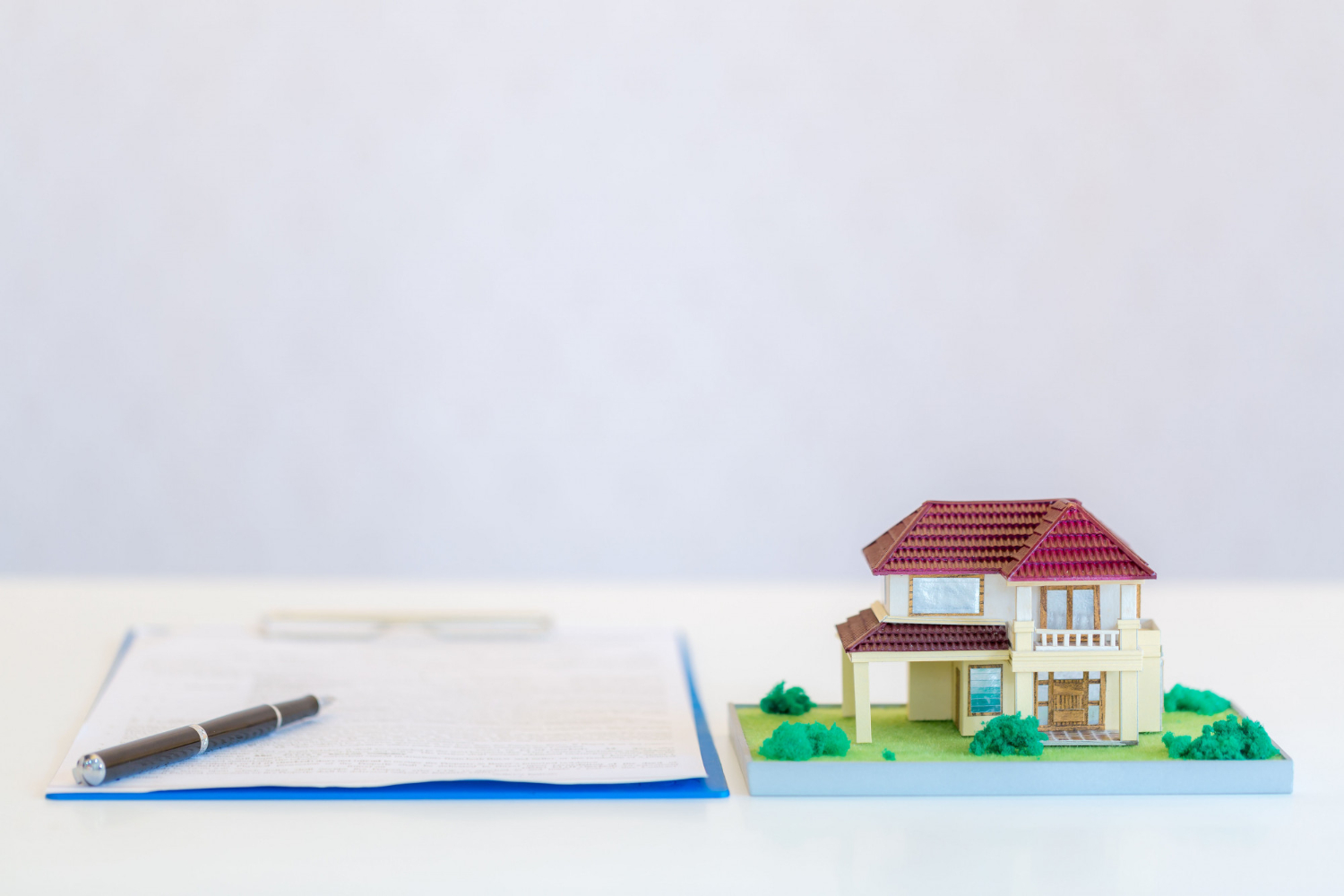
Many Orlando homeowners assume that their standard homeowner’s insurance policy covers all types of water damage. This is a myth that can have devastating financial consequences. In general, most homeowner’s policies cover sudden and accidental water damage, a burst pipe, an appliance malfunction, a storm that damages your roof and allows rain inside. However, they typically do not cover damage caused by flooding from external sources (such as rising rivers, storm surge, or heavy rain that overwhelms drainage systems), gradual leaks that a homeowner failed to maintain, or mold damage that resulted from neglected water intrusion.
Flood damage specifically requires a separate flood insurance policy, typically administered through FEMA’s National Flood Insurance Program (NFIP). If your Orlando property is in a flood-prone area, and many are, given the city’s low-lying terrain and susceptibility to tropical storms, having a separate flood policy is not optional, it is essential. Additionally, documenting water damage properly and beginning restoration promptly can significantly impact how much your insurance company reimburses. Insurers expect policyholders to take reasonable steps to mitigate damage, and delays in calling a professional can be used to reduce or deny claims.
Working with a certified restoration company from the very beginning helps protect your insurance claim. At Going Green Restoration USA we document every phase of the restoration process, from initial moisture readings to final drying verification, providing the detailed evidence that insurance adjusters need to approve your claim quickly and fully. Our team also works directly with your insurance adjuster to ensure that the scope of work is aligned with your policy’s coverage, removing much of the stress from an already difficult situation.
Myth: You Can Handle Water Damage Restoration Yourself
The Hidden Costs of DIY Restoration
The internet is full of DIY water damage tutorials that make restoration look straightforward: rent a carpet cleaner, buy some fans, spray some antimicrobial solution, and you are done. But professional water damage restoration involves far more than what these tutorials suggest. It requires understanding building science and moisture dynamics, operating commercial extraction and drying equipment, classifying water contamination categories, managing health and safety protocols for contaminated water, and documenting everything for insurance purposes.
When homeowners attempt DIY restoration, the most common mistakes include failing to remove enough water from structural cavities, ending the drying process too soon based on surface appearance rather than moisture meter readings, disturbing mold without proper containment (which spreads spores throughout the home), and discarding materials that could have been salvaged or salvaging materials that should have been discarded. Each of these mistakes leads to secondary damage that is more expensive to fix than the original water event.
For any water damage situation beyond a very minor, localized spill, professional restoration is the safest, most cost-effective choice. Going Green Restoration USA’s certified technicians handle Water Damage Repair Orlando projects of every size and complexity, using industry-standard protocols and commercial-grade equipment to get the job done right the first time.
Myth: Once the Water Is Gone, the Problem Is Solved
The Restoration Process Beyond Water Extraction
Removing standing water is only the first step in the restoration process. After extraction, the affected structure must be thoroughly dried using commercial dehumidifiers and air movers, monitored daily with moisture meters to track progress, treated with antimicrobial agents to prevent bacterial and mold growth, and assessed for any materials that need to be removed and replaced. In many cases, drywall, insulation, baseboards, and carpet padding must be cut out and discarded because they have absorbed too much moisture to be safely dried in place.
Beyond the immediate drying phase, the property may also need structural repairs, content cleaning and restoration, odor removal, and in cases where mold has begun to develop, full mold remediation following IICRC S520 standards. Going Green Restoration USA offers Orlando Residential Mold Remediation services as part of our comprehensive approach to water damage restoration, ensuring that every aspect of the damage is addressed, not just the standing water.
Why These Myths Are Especially Dangerous for Vacation Property Owners
Orlando’s vacation rental market is enormous, and many property owners manage their homes from hundreds or thousands of miles away. For these owners, water damage myths are not just misconceptions, they are financial and legal liabilities. A property manager or cleaning crew who believes that a small leak is not a big deal, or that the area looks dry enough, or that a quick bleach application will take care of the mold, can unwittingly cause thousands of dollars in additional damage and create potential health hazards for future guests. Between guest turnover periods, water damage can go unnoticed for days, allowing contamination levels to escalate and mold to take hold in hidden cavities throughout the property.
The best protection for absentee property owners is a proactive relationship with a certified restoration company that can respond immediately when issues arise and provide the documentation needed for insurance claims, property management records, and regulatory compliance. Going Green Restoration USA partners with vacation property owners and management companies across the Orlando metro area, providing rapid response, transparent communication, and thorough restoration backed by IICRC standards and EPA guidelines.
Get the Facts, and Get the Help You Need
Water damage myths not only cost money, they cost time, health, and peace of mind. Now that you know the facts, the most important step you can take is making sure you have a trusted restoration partner ready before an emergency happens. Going Green Restoration USA serves homeowners, businesses, and vacation property owners throughout the Orlando metropolitan area with fast, certified, and environmentally responsible restoration services. Whether you are dealing with a current emergency or preparing for the next hurricane season, our IICRC-certified team is ready to help.
Do not let myths guide your decisions when your property is at stake. Contact Going Green Restoration USA today for a free assessment, 24/7 emergency response, or simply to establish a relationship with a restoration company you can count on when it matters most. We are available around the clock, every day of the year.
Call us now or visit goinggreenrestorationusa.com to learn how our certified professionals protect Orlando properties from water damage, mold, and the costly myths that make both worse. Going Green Restoration USA, Facts Over Myths, Results Over Guesswork.
Posted on Behalf of Going Green Restoration USA