 Spanish
The First 24 Hours After Water Damage: A Critical Timeline
Water damage is one of the few household emergencies where the clock is genuinely working against you. Within the first day of a leak, a burst pipe, an overflowing appliance, or a storm surge, standing water begins to migrate into drywall, subflooring, insulation, cabinetry, and structural framing. What starts as a manageable puddle can become a mold problem, a structural concern, and an insurance headache in a matter of hours. For homeowners and business owners across Orlando, understanding what happens in the first 24 hours after water damage is the single most effective way to protect both your property and your budget.
We have responded to thousands of local water emergencies, and the pattern is remarkably consistent: the households that act fast recover fast, and the ones that wait pay for it in demolition, mold remediation, and stress. This timeline walks through exactly what happens hour by hour, what you should do at each stage, and precisely when professional help makes the biggest difference to your outcome. We wrote it because so many of the calls we take begin with the same regret, that the homeowner did not realize how quickly a small amount of water could compromise so much of a home.
Why are the first 24 hours after water damage so critical?
The first 24 hours are critical because water damage is progressive, not static. The moment water contacts porous materials, it begins a chain reaction of absorption, swelling, and microbial growth. According to the U.S. Environmental Protection Agency (EPA), mold can begin to grow on damp surfaces within 24 to 48 hours. That means the window to prevent secondary damage is short and unforgiving, and it closes whether or not you have noticed the problem yet.
Water damage also spreads by category and by class. Clean water from a supply line is far less hazardous than gray water from an appliance discharge or black water from a sewer backup, but even clean water degrades quickly as it sits and picks up contaminants from carpet, flooring, and building materials. Category classifications can escalate over time, meaning a clean-water event left untreated for a day or two can become a contaminated one. The longer water lingers, the more expensive, invasive, and hazardous the restoration becomes.
There is also a hidden geometry to how water travels. It moves downward through gravity but also wicks sideways and upward through porous materials by capillary action, following the path of least resistance behind baseboards, under cabinets, and into wall cavities. This is why the visible wet area is almost always smaller than the actual damaged area, and why the first day matters so much for containing the spread. In our experience, a homeowner who sees a two-foot puddle is frequently standing above a twelve-foot zone of saturated subfloor they cannot see.
Why Orlando’s climate compresses the timeline further
Central Florida adds a layer of urgency that colder, drier regions do not face. Our ambient humidity regularly sits above sixty percent, and indoor moisture rarely gets a chance to evaporate on its own. A wet wall cavity in Phoenix might dry passively over a week; the same cavity in Orlando can stay damp indefinitely and feed mold the entire time. When we say the first 24 hours are critical, we mean it more literally here than almost anywhere else in the country, because the environment itself is working against your drying rather than helping it.
Hour 0 to 1: What should you do the moment you discover water damage?
The first hour sets the tone for the entire recovery. Your goal is simple and focused: stop the water and stay safe. Everything else can wait until these two priorities are handled.
Shut off the water source
If the damage is from a plumbing failure, locate your main shut-off valve and close it immediately. For appliance leaks, shut off the dedicated supply line behind the dishwasher, washing machine, or water heater. If you cannot identify the source quickly, shutting off the home’s main valve stops the flow entirely. Stopping the water prevents the situation from getting dramatically worse while you take your next steps, and it is the single most impactful action you can take in the first sixty seconds. We recommend every household locate and test that main valve before an emergency, because searching for it in the dark while water rises is the worst possible time to learn where it is.
Prioritize safety before property
Never wade into standing water near electrical outlets, appliances, or a breaker panel. If water is near any electrical source, turn off power at the breaker only if you can do so from a dry location, or wait for professionals. The Centers for Disease Control and Prevention (CDC) warns that floodwater and standing water can carry electrical hazards and contaminants, so protective footwear, gloves, and caution are essential. No belonging is worth an electrical shock or exposure to contaminated water.
Document everything
Take photos and videos before you move or remove anything. Capture wide shots of each affected room and close-ups of damaged materials, standing water levels, and any visible source. Clear documentation supports your insurance claim and helps restoration technicians understand the full scope of the loss. This early evidence is often what separates a smooth, fully paid claim from a disputed or partially denied one, so spend a few extra minutes being thorough here. We have seen adjusters approve claims quickly on the strength of a homeowner’s early photos, and we have seen claims stall for weeks when no one captured the water at its peak.
Hour 1 to 6: How do you limit the spread of water damage?
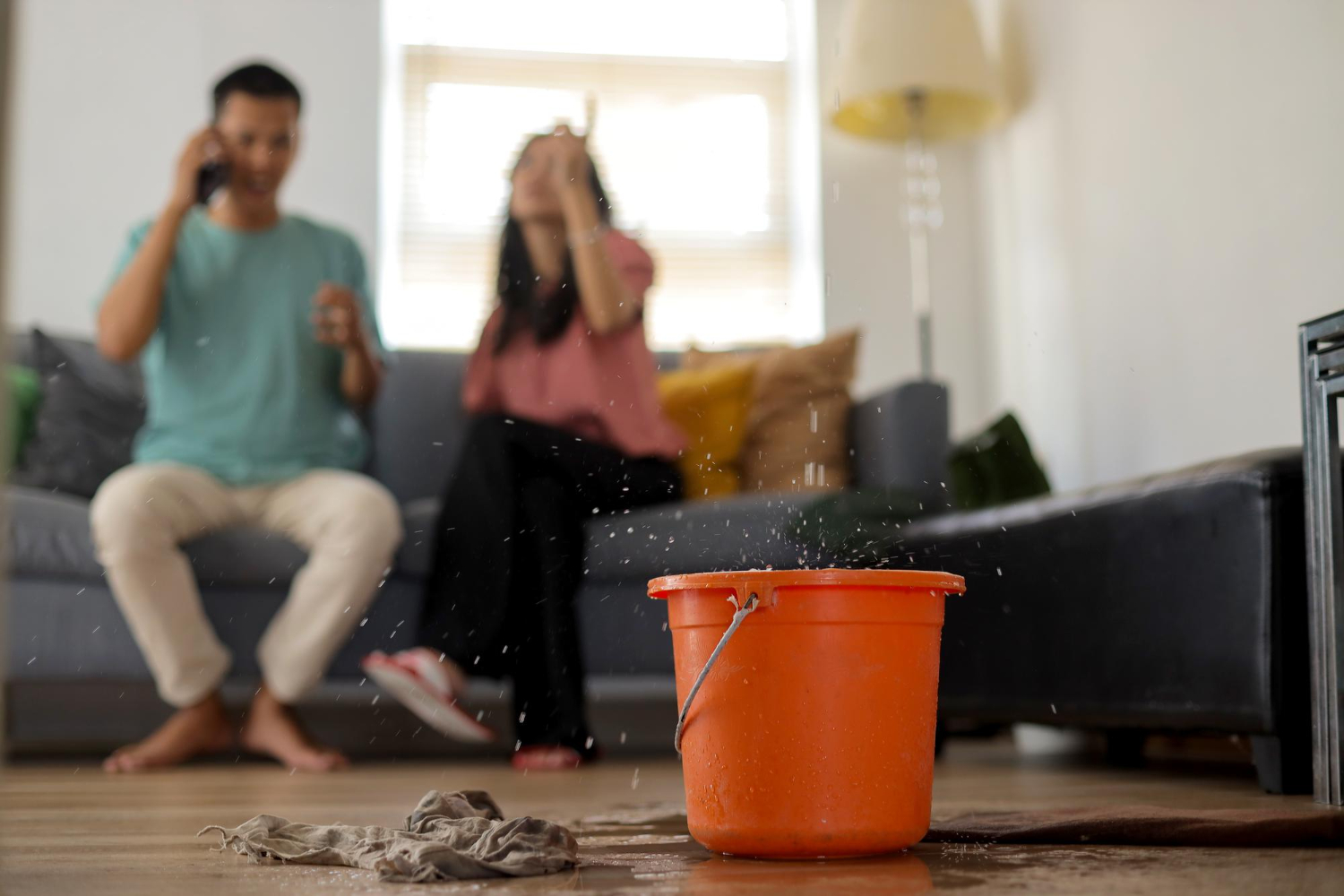
Once the source is controlled and the area is safe, the focus shifts to mitigation, which means reducing further harm before full restoration begins. These hours are your best opportunity to protect belongings and slow the water’s migration into your home’s structure.
- Remove standing water using a wet/dry vacuum, mops, or towels wherever it is safe to do so. Even removing a portion of the water reduces the load your materials have to absorb.
- Lift and relocate furniture, rugs, electronics, documents, and valuables to a dry area to prevent staining, warping, and rust bleeding onto flooring.
- Increase airflow by opening windows, running fans, and using a dehumidifier if humidity conditions and outdoor weather allow.
- Blot and absorb moisture from wood surfaces and furniture legs to reduce swelling, cupping, and permanent finish damage.
- Remove wet fabrics such as area rugs, cushions, and bedding, which hold water against the floor and slow drying if left in place.
- Place aluminum foil or wood blocks under furniture legs still resting on wet carpet, so the finish does not bleed and stain the flooring beneath.
This is also the ideal point to call for help. Fast professional response is the core of reliable Orlando Water Damage Restoration, because trained technicians arrive with commercial-grade extraction equipment that removes far more moisture than household tools ever could. Getting a team dispatched within the first several hours dramatically improves outcomes, reduces the amount of material that has to be torn out, and shortens your overall recovery. One caution from experience: opening windows helps only when the outdoor air is drier than the indoor air, which during an Orlando rainstorm it often is not. When in doubt, run the air conditioning and a dehumidifier instead of inviting humid outdoor air inside.
Hour 6 to 12: When should professional restoration begin?
Professional restoration should begin as soon as possible, ideally within this window. By the halfway point of the first day, hidden moisture has usually traveled into wall cavities, under flooring, and behind baseboards where you cannot see or reach it. This is where do-it-yourself efforts hit their ceiling, because household fans and shop vacuums simply cannot dry what they cannot access.
Our certified technicians use moisture meters and thermal imaging to map exactly where water has spread, including areas that look and feel completely dry on the surface. We then deploy air movers and industrial dehumidifiers in a calculated drying plan built around the specific materials and moisture readings in your home. This is not guesswork; it follows the IICRC S500 standard for professional water damage restoration, which defines how moisture is measured, how equipment is sized to the affected space, and how drying is verified. Because response speed is everything, many Orlando homeowners rely on 24/7 Emergency Restoration Orlando services that can arrive at any hour, including nights, weekends, and holidays, when so many pipe bursts and appliance failures actually happen.
What equipment do professionals use in the first 12 hours?
- Truck-mounted and portable extractors for rapid, high-volume water removal
- Air movers positioned to create directed, high-velocity airflow across wet surfaces
- Commercial dehumidifiers that pull moisture out of the air and out of building materials
- Moisture meters and thermal cameras to locate hidden water and verify drying progress
- Antimicrobial treatments to inhibit early mold and bacterial growth on affected surfaces
Why the surface-dry trap fools so many homeowners
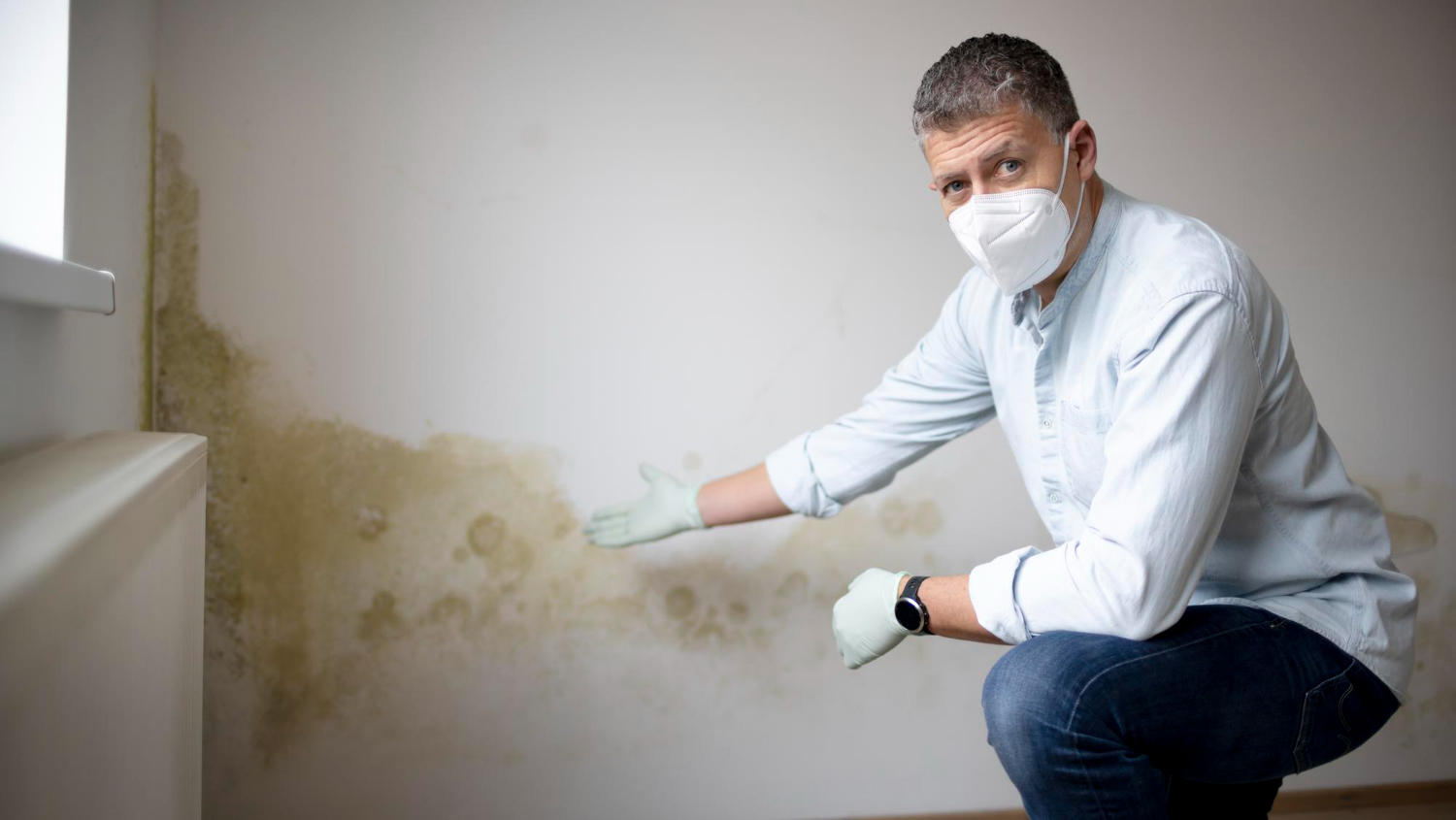
One of the most common reasons a water loss becomes a mold loss is that a carpet or wall feels dry to the hand while the material behind it stays saturated. Drywall in particular can read completely dry on its painted face while holding significant moisture in its gypsum core and the framing behind it. We settle this question with instruments rather than instinct, taking numerical readings and comparing them against an unaffected reference area in the same home. If the readings do not match, the drying is not finished, no matter how dry the surface feels.
Hour 12 to 24: How do you prevent mold before it starts?
Preventing mold in the first 24 hours comes down to one principle: eliminate moisture faster than mold can colonize. Since mold can take hold within a day or two, this final stretch of the first day is your prevention window, and it is where professional drying capacity pays for itself.
Our teams continuously monitor moisture readings and adjust equipment placement to keep drying on schedule. We may remove unsalvageable materials such as saturated carpet padding, swollen drywall, or waterlogged insulation to prevent them from becoming mold reservoirs that contaminate the rest of the home. Controlled removal of these materials early is far cheaper than remediating a full-blown mold colony weeks later. If any signs of microbial growth are already present, this is when a mold assessment becomes essential. As trusted providers of Mold Removal Orlando, we integrate mold inspection directly into the water restoration process, so nothing is missed and no damp cavity is sealed up to become a future problem.
For guidance on recovery priorities after larger flood events, the Federal Emergency Management Agency (FEMA) offers resources on documentation, safety, and rebuilding that pair well with professional restoration and help you understand what your flood coverage may include.
What are the most common causes of water damage in Orlando homes?
Orlando’s climate and housing stock create specific vulnerabilities. Recognizing them helps you respond faster when the timeline starts, and in many cases helps you prevent the emergency altogether.
- Heavy seasonal rainstorms and hurricanes that overwhelm roofs, gutters, and lot grading
- Air conditioning condensation and clogged drain lines, which run year-round in Florida’s humidity
- Appliance failures from water heaters, dishwashers, refrigerators, and washing machines
- Plumbing leaks in aging supply lines, fittings, and pipe joints hidden inside walls
- Slab and crawl space intrusion during periods of high groundwater and saturated soil
- Roof and window leaks that go unnoticed until staining or a musty odor appears
Because these triggers are common and often sudden, having a plan and a trusted local partner matters. Many residents keep the number for a dependable Orlando Restoration Company saved in their phones before they ever need it, so that when water strikes at two in the morning, the response has already been decided. The households that fare best are almost never the ones with the newest homes; they are the ones with a rehearsed plan.
What should you do while waiting for the restoration crew to arrive?
Use the waiting window productively rather than anxiously. Once you have stopped the water, confirmed electrical safety, and documented the damage, the most useful thing you can do is keep water from spreading and keep salvageable belongings out of harm’s way. Continue extracting standing water where it is safe, prop wet cushions and rugs upright so air can reach them, and start moving dry belongings out of adjacent rooms so they do not become the next casualty as moisture wicks outward.
Gather your insurance policy number and your restoration provider’s contact details in one place so the crew can begin coordination the moment they arrive. If the loss involves a sewer backup or floodwater, keep children and pets out of the affected area entirely and do not attempt to clean contaminated water yourself. A little organized preparation during this window shaves real time off the job and helps the technicians go straight to work instead of gathering basic information.

How does water damage affect an insurance claim in the first day?
The first day shapes your claim more than any other, because insurers evaluate both the cause of loss and how promptly you acted to mitigate it. Most homeowner policies contain a duty to mitigate, meaning you are expected to take reasonable steps to prevent further damage once you discover a problem. Failing to act, or waiting days to call for help, can give an insurer grounds to reduce a payout by arguing the additional damage was avoidable.
This is where early documentation and prompt professional involvement work in your favor at the same time. Photos taken before cleanup establish the original scope, and a certified restoration team’s moisture logs establish that drying was handled to standard. One important distinction to understand up front is that a standard homeowner policy typically covers sudden and accidental water damage, such as a burst pipe, but usually excludes rising floodwater, which requires separate flood insurance through the National Flood Insurance Program. Knowing which type of loss you have on day one helps you file the right claim with the right carrier and avoids a costly detour.
What happens after the first 24 hours?
Once the initial drying and stabilization are complete, restoration moves into structural drying verification, cleaning and sanitizing, and finally repair and reconstruction. Technicians confirm that materials have returned to normal moisture content before any rebuilding begins, because sealing up a wall that is still damp simply relocates the mold problem behind fresh drywall. Damaged materials are replaced, flooring is restored, surfaces are repainted, and the home is returned to its pre-loss condition.
A thorough team also documents moisture readings throughout the entire process, which strengthens your insurance claim and confirms the job was done correctly. The homeowners who navigate this later phase most smoothly are almost always the ones who acted decisively in the first day. Speed early on means less demolition, lower costs, fewer surprises, and a faster return to normal life.
Your first-24-hours action checklist
- Immediately: Stop the water source and ensure electrical safety.
- Within the first hour: Photograph and document all damage before moving anything.
- Hours 1 to 6: Remove standing water, relocate valuables, and boost airflow.
- Hours 6 to 12: Call certified professionals for extraction and structural drying.
- Hours 12 to 24: Monitor moisture, remove unsalvageable materials, and begin mold prevention.
Water damage waits for no one, and the difference between a minor repair and a major renovation often comes down to how you spend the first day. If you are facing a leak, a flood, or storm-related water intrusion in Central Florida, do not wait for the timeline to work against you. Contact us today for fast, eco-friendly, and IICRC-certified emergency restoration, and let our trusted local team protect your home and your peace of mind around the clock. Visit https://goinggreenrestorationusa.com to request 24/7 emergency service.
Posted on Behalf of Going Green Restoration USA