 Spanish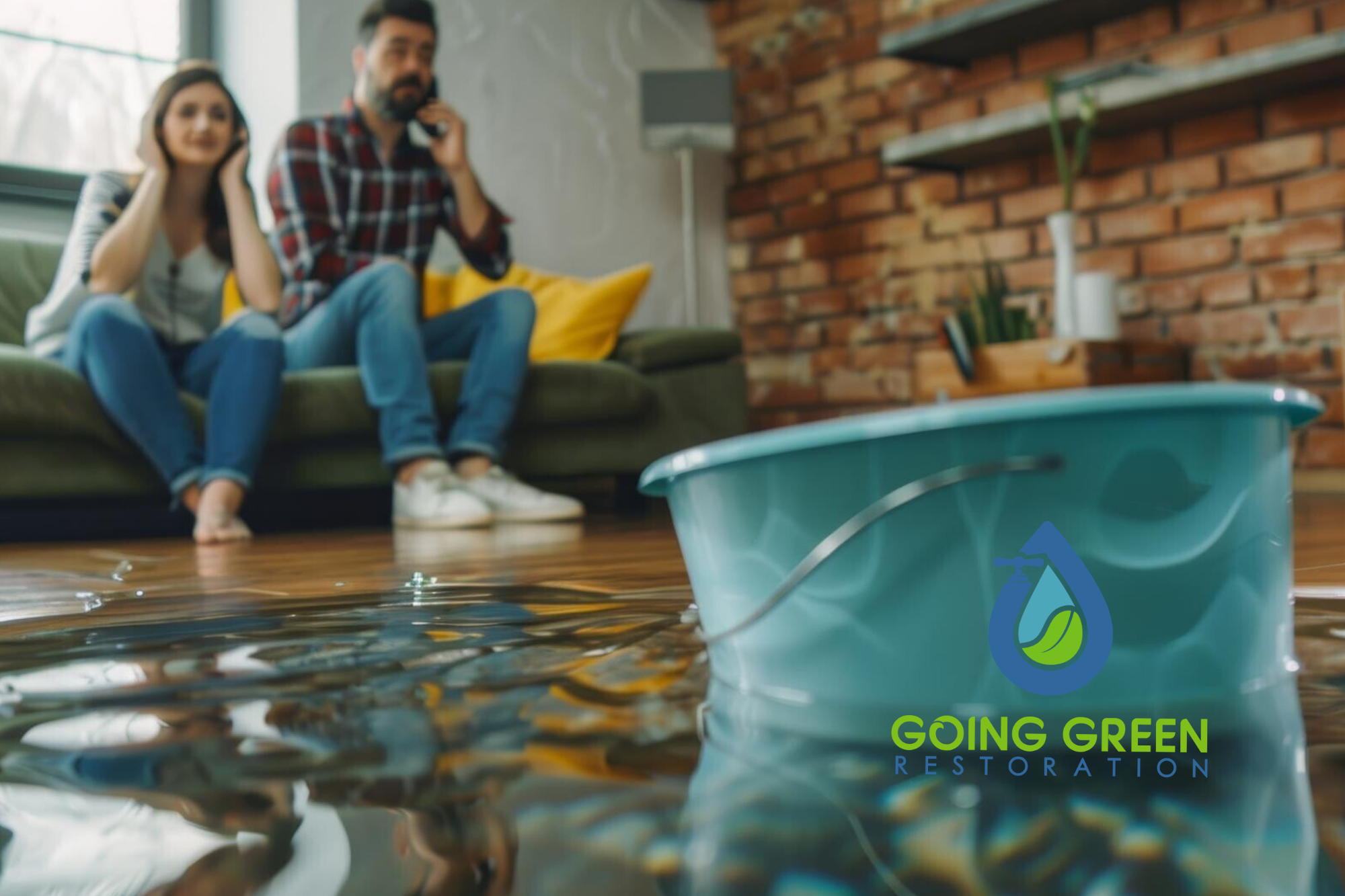
What the EPA Recommends for Mold Remediation After Water Events
Water damage is one of the most common, and costly, problems affecting homes and businesses in Orlando, Florida. Due to the region’s subtropical climate, even minor water intrusions can escalate rapidly if moisture is not addressed immediately. Heavy rainfall, hurricanes, plumbing failures, and HVAC leaks can introduce excess moisture that quickly leads to mold growth if not handled correctly. In enclosed spaces, moisture can become trapped behind walls, under flooring, and within HVAC systems, creating ideal conditions for microbial growth and long-term structural deterioration.
Federal agencies like the U.S. Environmental Protection Agency (EPA) have published clear, science-based guidance on how to respond to water events and remediate mold safely and effectively. These recommendations emphasize timely water removal, proper drying, containment of affected areas, and the use of protective measures to prevent cross-contamination and health risks. Following EPA guidance is especially critical in Florida, where high humidity levels can prolong drying times and increase the likelihood of recurring mold problems.
This third-party, educational guide breaks down what the EPA recommends for mold remediation after water events, why those recommendations matter in Florida’s humid climate, and when professional restoration services become essential. It is designed to help Orlando homeowners, vacation property owners, and business operators make informed decisions that protect health, property value, and long-term structural integrity. By understanding both the risks of improper response and the benefits of compliant remediation practices, property owners can reduce liability, avoid costly repairs, and maintain safe indoor environments over time.
Why Water Events Create the Perfect Conditions for Mold Growth
Orlando’s subtropical climate creates year-round humidity, making water intrusion especially dangerous for both residential and commercial properties. Warm temperatures combined with persistent moisture significantly accelerate mold development, even when visible water appears minimal. After a flood, storm surge, or even a small plumbing leak, moisture can linger in wall cavities, insulation, subflooring, and flooring materials long after surface areas seem dry. These hidden moisture pockets often go unnoticed until mold growth becomes widespread.
The EPA emphasizes that mold can begin growing within 24–48 hours after water exposure. This short window means that delays in drying, inadequate ventilation, or improper cleanup can allow spores to colonize quickly. Once spores take hold, they spread invisibly through HVAC systems and porous materials such as drywall, wood framing, carpeting, and insulation. This rapid, unseen spread is why water events should never be treated as “drying problems” alone, they are potential mold problems from the start and require a comprehensive response.
In Central Florida, common water events include:
- Tropical storms and hurricanes
- Heavy afternoon rain overwhelming drainage systems
- Slab leaks and burst pipes
- Air conditioning condensation and drain line failures
- Roof leaks during storm season
Each of these scenarios introduces moisture in different ways, but all pose the same risk if not addressed properly. Without immediate and thorough remediation, these events can lead to costly repairs, health concerns related to indoor air quality, and insurance complications that arise when damage is documented too late. Understanding how quickly mold can develop after water exposure is essential for minimizing long-term damage and protecting both occupants and property value.
EPA Guidance on Responding Immediately After Water Damage
The EPA’s recommendations begin with speed and safety. Water damage response should prioritize stopping the source of water, protecting occupants, and removing excess moisture as fast as possible. The first hours after a water event are critical, as moisture can quickly migrate into building materials and create conditions ideal for mold growth, especially in warm, humid environments like Orlando.
According to guidance from the U.S. Environmental Protection Agency, the first steps after a water event include:
- Stopping the water intrusion at its source to prevent additional saturation and damage
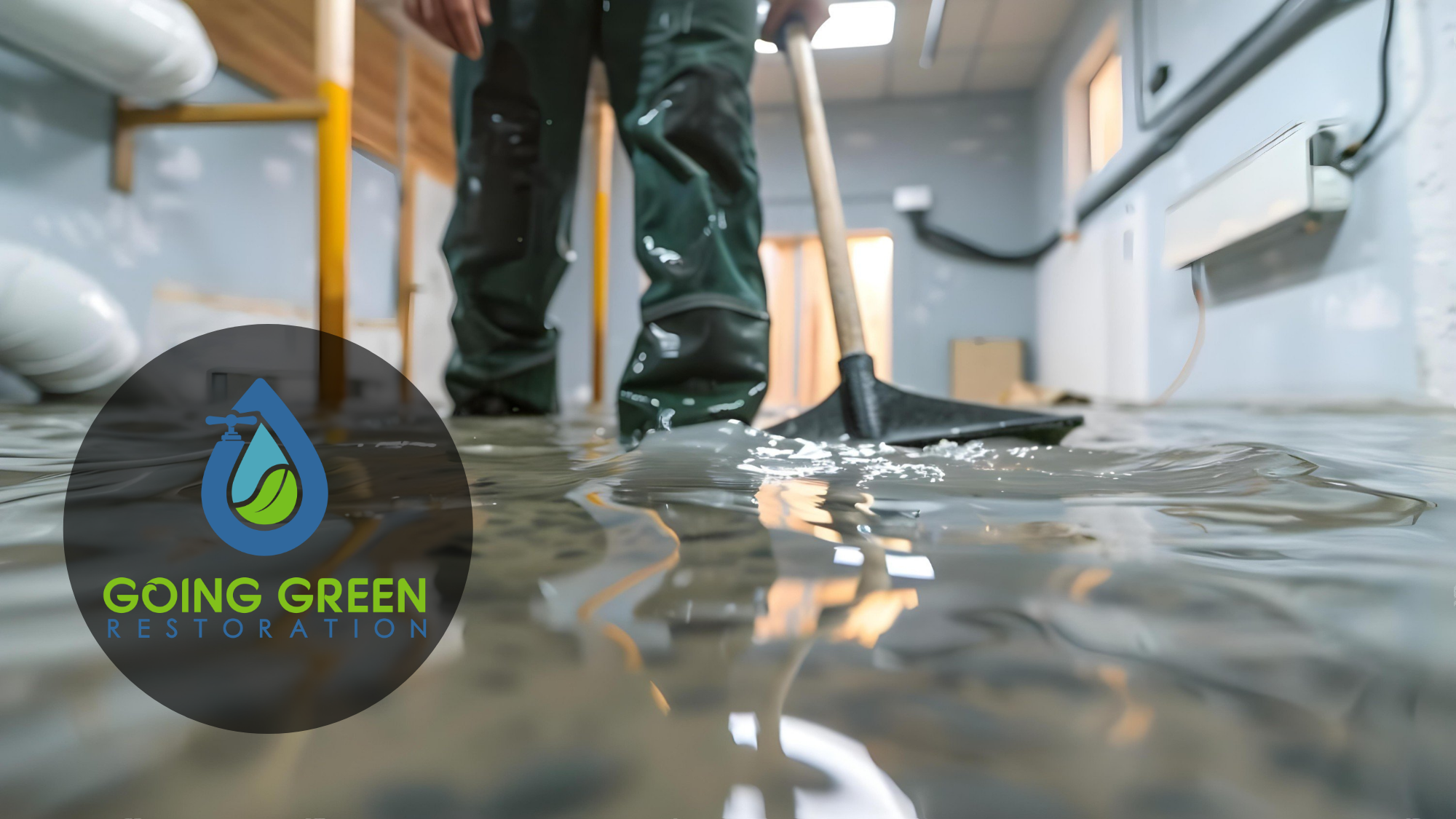
- Removing standing water using pumps or wet vacuums to limit absorption into floors and walls
- Increasing ventilation with fans and dehumidifiers to accelerate drying and reduce indoor humidity
- Removing wet and porous materials that cannot be dried quickly, such as soaked insulation or carpeting
The EPA is clear that delaying action significantly increases the risk of widespread mold contamination. In Orlando’s climate, even a short delay can result in mold growth behind walls and under flooring where it may go unnoticed for weeks. Prompt, EPA-aligned response not only limits immediate damage but also reduces the likelihood of costly mold remediation and long-term structural issues later on.
When the EPA Says Professional Mold Remediation Is Necessary
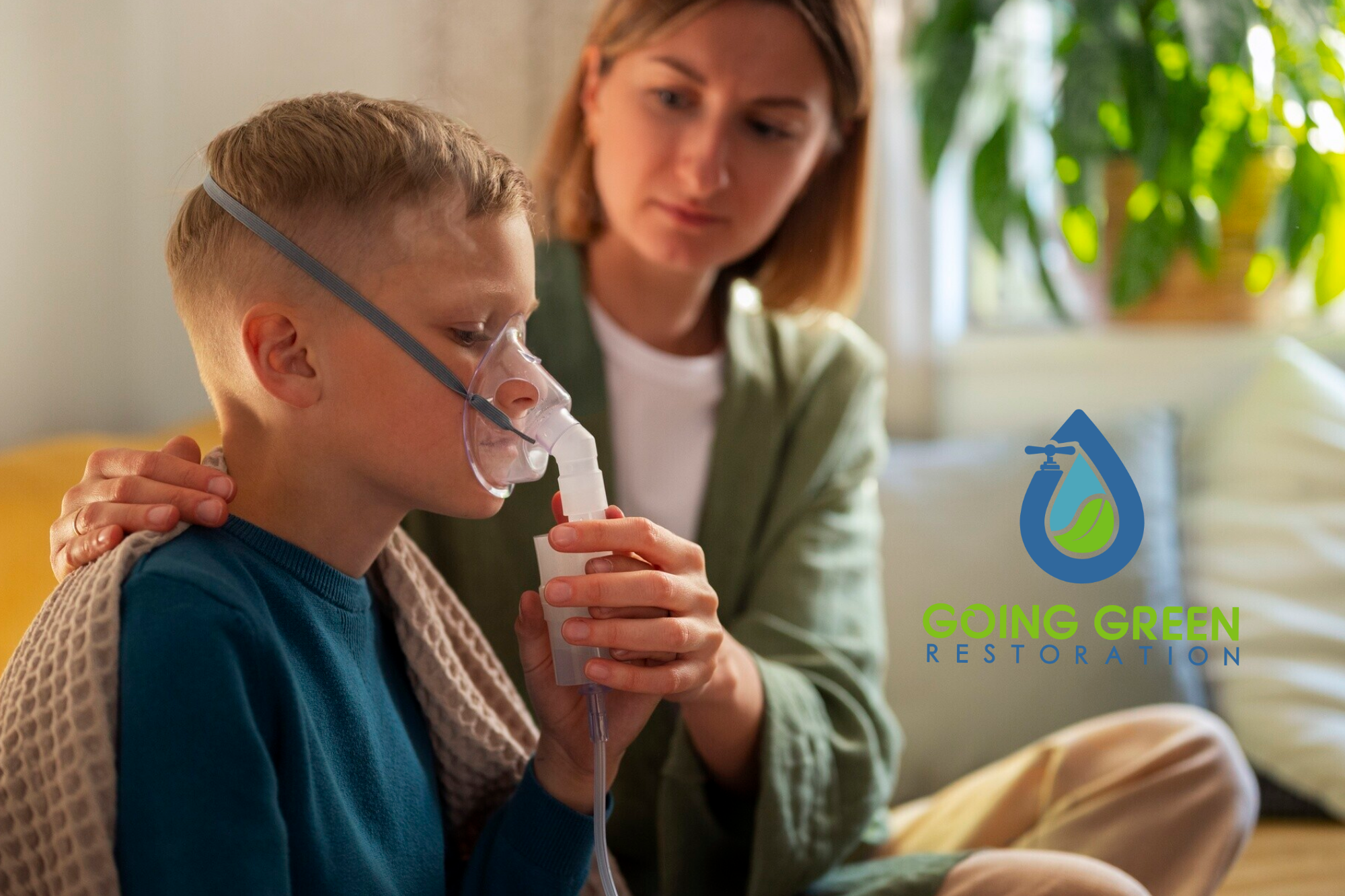
Not all mold problems can, or should, be handled by property owners. While small, isolated areas of surface mold may sometimes be managed with proper precautions, the EPA draws a clear line between minor issues and larger contamination events that pose health and structural risks. When mold growth extends beyond limited, visible areas or involves critical building systems, professional remediation becomes essential to ensure safety and prevent further spread.
Professional intervention is recommended when:
- Mold covers more than 10 square feet
- Mold is present in HVAC systems
- Water damage involves sewage or contaminated floodwater
- Occupants have respiratory conditions or compromised immune systems
- Structural materials like drywall, insulation, or subflooring are affected
These conditions significantly increase the risk of airborne spore dispersal, cross-contamination, and long-term damage if remediation is not handled correctly. Mold within HVAC systems, for example, can circulate spores throughout an entire building, while contaminated floodwater introduces bacteria, chemicals, and pathogens that standard cleaning methods cannot safely address.
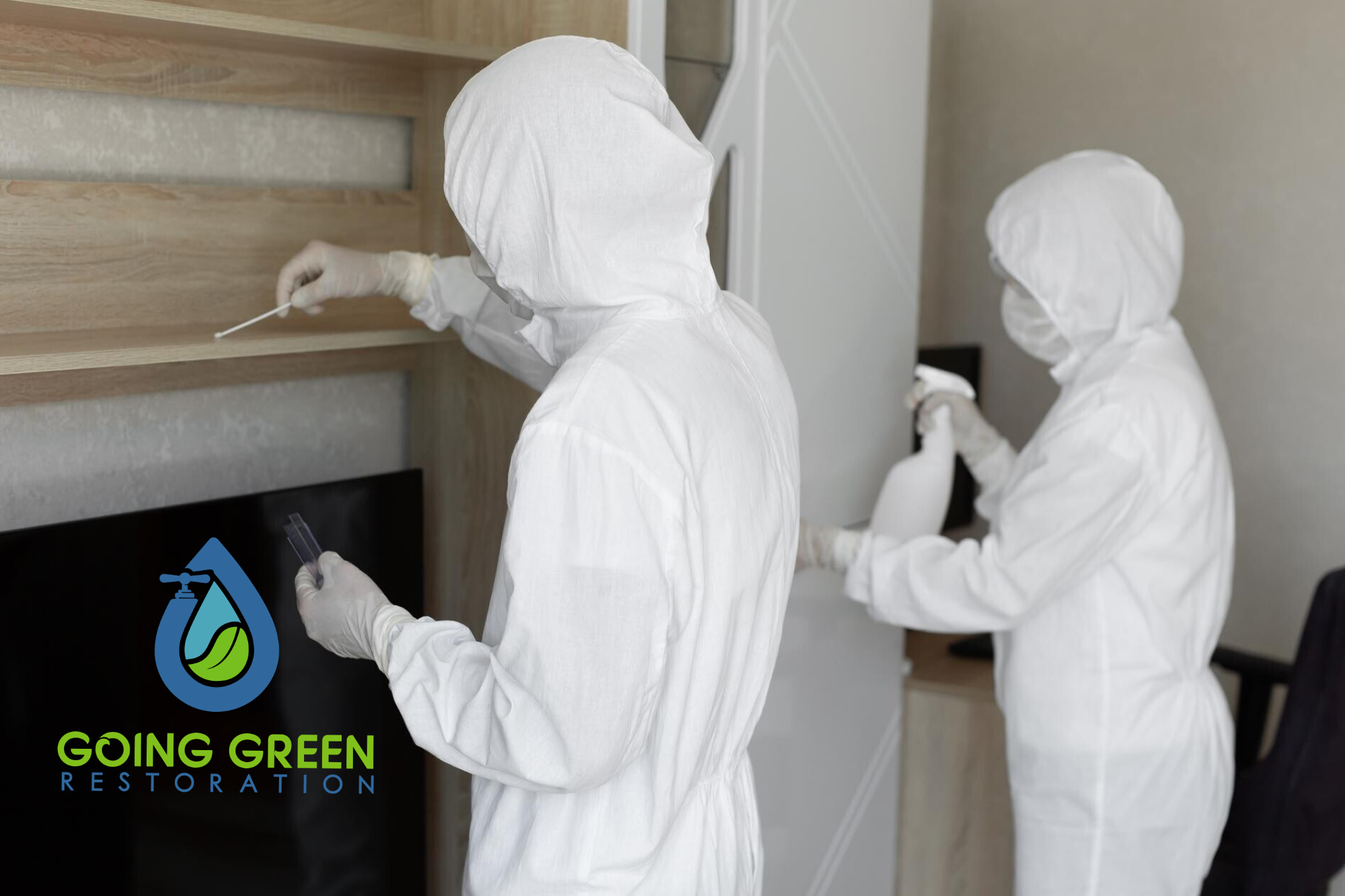
In these scenarios, certified restoration professionals use containment barriers, negative air pressure, and specialized filtration to prevent cross-contamination between affected and unaffected areas. They also follow strict protocols for material removal, disposal, and post-remediation verification. This level of remediation goes far beyond household cleaning methods and is designed to protect indoor air quality, occupant health, and the structural integrity of the property over the long term.
Why EPA Mold Remediation Standards Matter in Florida
Florida properties face unique challenges due to persistent humidity and warm temperatures that create an ideal environment for mold growth year-round. Even small water intrusions can quickly escalate into significant contamination when moisture is not controlled effectively. The EPA’s mold remediation standards are designed to address these environmental factors by focusing on complete moisture control, not just visible mold removal. This approach is especially important in Florida, where lingering humidity can allow mold to return if underlying conditions are not corrected.
Key principles emphasized by the EPA include:
- Fixing the underlying moisture problem to eliminate the conditions that allow mold to grow
- Thoroughly drying all affected materials, including hidden spaces such as wall cavities and subfloors
- Removing contaminated porous materials that cannot be safely or effectively cleaned
- Preventing mold spores from spreading during cleanup through containment and controlled airflow
For Orlando homeowners and businesses, these principles align closely with the services provided by professional Orlando Water Damage Restoration providers who specialize in high-humidity environments. These professionals understand how Florida’s climate impacts drying timelines, moisture migration, and mold behavior, allowing them to implement EPA-aligned strategies that deliver more durable, long-term results and reduce the risk of recurring mold issues.
Health Risks Associated With Improper Mold Cleanup
Mold exposure can cause a wide range of health symptoms, especially when remediation is incomplete or improperly handled. Disturbing mold without proper containment can release large quantities of spores into the air, increasing exposure levels throughout the property. Inadequate cleanup methods may also leave hidden mold colonies behind walls, under flooring, or inside HVAC systems, allowing ongoing exposure long after cleanup appears complete.
The Centers for Disease Control and Prevention warns that mold exposure may lead to:
- Nasal congestion and throat irritation
- Coughing and wheezing
- Skin and eye irritation
- Asthma attacks
- Worsening of existing respiratory conditions
These symptoms can appear immediately or develop over time, depending on the level and duration of exposure. Children, seniors, and individuals with asthma or allergies are particularly vulnerable, as their immune and respiratory systems are more sensitive to airborne contaminants. Prolonged exposure in these groups can result in chronic respiratory issues and reduced indoor air quality.
This is why the EPA strongly discourages disturbing mold growth without proper containment and protective equipment. Professional remediation practices are designed to limit airborne spread, protect occupants during cleanup, and ensure mold is removed safely and thoroughly. Proper handling is not just a structural concern, it is a critical step in safeguarding occupant health.
EPA-Recommended Mold Removal Techniques After Water Events
The EPA does not endorse “spray-and-pray” solutions or cosmetic fixes that simply mask mold without addressing the underlying moisture source. Surface treatments alone often allow mold to return, sometimes more aggressively than before. Instead, the EPA outlines a systematic remediation process focused on elimination, containment, and long-term prevention to ensure mold is fully addressed after water events.
Core EPA-aligned steps include:
- Isolating contaminated areas to prevent spores from spreading to unaffected parts of the structure
- Using HEPA-filtered air scrubbers to capture airborne mold particles and maintain clean air during remediation
- Physically removing mold-damaged materials such as drywall, insulation, carpeting, or porous wood that cannot be effectively cleaned
- Cleaning remaining surfaces with approved methods designed to remove microscopic mold residue without dispersing spores
- Verifying dryness before reconstruction to ensure moisture levels are within safe ranges and conditions no longer support mold growth
These practices mirror the methods used by certified Mold Removal Orlando professionals who address both visible mold and hidden moisture reservoirs. By targeting moisture at its source and following a disciplined, step-by-step process, EPA-aligned remediation reduces the risk of recurrence, protects indoor air quality, and ensures that rebuilding efforts are safe, durable, and compliant with recognized environmental standards.
The Role of Emergency Restoration Services After Water Damage
Water events rarely happen during convenient hours. Burst pipes, overflowing appliances, storm-related flooding, and HVAC failures often occur overnight, on weekends, or while properties are unoccupied. The EPA recognizes that delays caused by waiting until “business hours” can dramatically worsen damage, allowing moisture to spread deeper into structural materials and increasing the likelihood of mold growth.
Immediate access to 24/7 Emergency Restoration Orlando services allows property owners to:
- Prevent secondary mold growth by initiating drying and containment during the critical first 24–48 hours
- Reduce structural damage by stopping water migration into walls, flooring, and substructures
- Protect personal belongings through timely water extraction and controlled drying
- Improve insurance claim outcomes by demonstrating prompt mitigation and documented response
Rapid response is especially critical for vacation homes in Orlando, where water damage may go unnoticed for days if the property is unoccupied. In these cases, emergency restoration services play a vital role in minimizing loss severity, stabilizing the property quickly, and preventing small water intrusions from becoming major mold and structural issues.
How FEMA Guidance Aligns With EPA Mold Recommendations
Disaster-related flooding often involves contaminated water and widespread moisture exposure, creating conditions that significantly increase health and structural risks. Floodwaters may contain sewage, chemicals, bacteria, and debris that go far beyond typical household water damage. In these situations, the Federal Emergency Management Agency (FEMA) reinforces EPA guidance by stressing the importance of professional cleanup after floods and storms to protect occupants and prevent long-term contamination.
FEMA advises property owners to:
- Avoid entering flooded areas without protection to reduce exposure to electrical hazards, contaminants, and unstable structures
- Remove water-damaged materials promptly to limit mold growth and prevent further deterioration of building components
- Document damage for insurance to support claims, disaster assistance, and future repairs
- Seek professional remediation when contamination is suspected, especially after storms, hurricanes, or prolonged flooding
Together, FEMA and EPA guidance form a comprehensive framework for safe, effective post-disaster recovery. While the EPA focuses on mold prevention and indoor environmental health, FEMA addresses large-scale disaster response and recovery considerations. When followed together, these recommendations help property owners reduce health risks, improve insurance outcomes, and restore buildings in a way that is both safe and resilient after major water events.
Preventing Mold After Future Water Events
Prevention is a core theme in EPA recommendations. While proper remediation resolves current contamination, long-term protection depends on reducing the likelihood of future water damage and controlling indoor moisture before mold has a chance to develop. In Orlando’s humid climate, even small improvements in moisture management can significantly lower the risk of recurring mold problems.
Effective prevention strategies include:
- Routine plumbing inspections to identify slow leaks, corrosion, or pressure issues before failures occur
- Proper grading and drainage around foundations to direct water away from structures during heavy rainfall
- Regular HVAC maintenance to prevent condensation buildup, clogged drain lines, and airflow imbalances
- Prompt repair of roof and window leaks, especially before and during storm season
- Monitoring indoor humidity levels to keep them within recommended ranges year-round
Professional Orlando Restoration Company services often provide moisture assessments and preventative recommendations tailored to Florida properties. These assessments can uncover hidden vulnerabilities, such as inadequate ventilation or insulation gaps, and help property owners implement targeted solutions that reduce long-term risk. By combining EPA-aligned remediation with proactive prevention, homeowners and businesses can better protect indoor air quality, structural integrity, and overall property value after future water events.
Why Third-Party EPA-Aligned Restoration Matters for Insurance Claims
Insurance providers often look for documentation showing that water damage and mold were handled according to recognized standards, especially when claims involve structural repairs, business interruption, or health-related concerns. EPA-aligned remediation demonstrates due diligence and shows that the property owner took appropriate, science-based steps to mitigate damage rather than allowing conditions to worsen over time.
When restoration efforts align with EPA guidance, they can:
- Support claim approvals
- Reduce disputes over coverage
- Minimize long-term liability
Third-party documentation from qualified restoration professionals helps insurers verify that proper containment, drying, and mold remediation protocols were followed. This can be particularly important in Florida, where insurers closely scrutinize water-related claims due to the frequency of storms, hurricanes, and plumbing failures.
Working with qualified professionals who follow EPA guidance can protect both health and financial interests. In addition to reducing the likelihood of claim denial or delays, EPA-aligned restoration helps ensure that repairs are durable, compliant, and defensible if questions arise later from insurers, buyers, or regulatory entities.
Water Damage and Mold Remediation in Orlando Q&A
What should I do immediately after discovering water damage?
Shut off the water source if possible to prevent additional intrusion, and avoid electrical hazards by staying clear of wet outlets or appliances. If the damage is significant, it’s best to leave standing water undisturbed until professionals arrive. Contacting a professional restoration service as soon as possible is critical, as quick action limits mold growth, secondary damage, and insurance complications.
How can I tell if mold is present in my home?
Musty odors, visible discoloration on walls or ceilings, persistent humidity, and unexplained allergy symptoms often indicate hidden mold growth. Mold frequently develops behind walls, under flooring, or inside HVAC systems, making professional inspection necessary even when growth is not immediately visible.
How long does professional water damage restoration take?
Most projects take several days to a few weeks, depending on the extent of damage, the amount of moisture present, and the drying requirements of affected materials. Larger losses involving structural components or mold remediation may take longer due to containment, material removal, and post-remediation verification.
Why is quick mold removal important for my health?
Delays increase airborne spores, which can worsen respiratory issues, trigger allergies, and cause long-term health effects, particularly for children, the elderly, and individuals with asthma or compromised immune systems. Early remediation helps maintain safe indoor air quality and prevents mold from spreading further.
What’s the difference between water mitigation and water restoration?
Mitigation stops further damage by removing water, drying materials, and stabilizing the environment. Restoration repairs and rebuilds affected areas, returning the property to its pre-loss condition. Both steps are essential for full recovery after a water event.
Can water damage lead to structural problems?
Yes. Prolonged moisture weakens wood framing, drywall, insulation, and even foundations. Over time, this deterioration can compromise structural integrity, increase repair costs, and reduce property value if not addressed properly.
How do I prepare for a 24/7 emergency restoration service visit?
Secure pets, document damage with photos or videos for insurance purposes, and provide clear access to affected areas. If safe to do so, remove personal belongings from wet zones to reduce secondary damage.
What are the most common causes of water damage in Orlando homes?
Storm flooding, AC leaks, roof damage, and plumbing failures are the most frequent causes. Orlando’s climate places heavy demand on air conditioning systems, making condensation and drain line issues especially common.
How does insulation play a role in water damage prevention?
Proper insulation reduces condensation by regulating temperature differences and helps control indoor humidity levels. Well-installed insulation can limit moisture buildup in walls and ceilings, reducing the risk of hidden mold growth.
How can I maintain my property to prevent future water or mold issues?
Schedule routine inspections, address leaks immediately, and control indoor moisture levels year-round using ventilation, dehumidification, and HVAC maintenance. Proactive upkeep is one of the most effective ways to prevent costly water damage and mold problems in Orlando’s humid environment.
Choosing the Right Help After a Water Event
EPA guidance makes one thing clear: water damage and mold remediation are not DIY projects when moisture is widespread or contamination is suspected. What may appear to be a manageable cleanup can quickly evolve into a larger problem when moisture remains hidden behind walls, beneath flooring, or inside HVAC systems. Without proper containment, drying, and verification, incomplete remediation can allow mold to return and spread, increasing both health risks and repair costs.
Professional, standards-based intervention protects health, property value, and peace of mind. Trained restoration specialists understand how to identify the full scope of water intrusion, follow EPA-aligned remediation protocols, and document the process correctly for insurance and liability purposes. Their use of commercial-grade equipment, controlled demolition when necessary, and post-remediation verification helps ensure the problem is resolved, not just temporarily concealed.
Homeowners and businesses in Orlando who want EPA-aligned water damage restoration, mold removal, and emergency response services can learn more or request assistance by visiting Going Green Restoration USA. Choosing experienced professionals after a water event helps ensure faster recovery, reduced risk of recurring damage, and confidence that the property has been restored according to recognized environmental and safety standards.
Posted on Behalf of Going Green Restoration USA