 Spanish
The Difference Between Mold Cleaning and Professional Mold Remediation
Mold problems are extremely common in Orlando, Florida, where high humidity, frequent storms, and flooding create ideal conditions for moisture damage. Many homeowners and business owners believe that visible mold can simply be wiped away with bleach or store-bought cleaners. Unfortunately, that misconception often leads to recurring mold growth, hidden structural damage, and potential health concerns.
Understanding the difference between mold cleaning and professional mold remediation is critical for protecting your property, especially after water damage or flooding. Whether you are a year-round resident, a vacation homeowner, or manage a rental property, knowing when to act, and who to call, can prevent costly long-term damage.
This article explains the real differences between surface-level mold cleaning and professional remediation, why water damage is often the root cause, and how we provide reliable, emergency solutions throughout Orlando.
Why Mold Is So Common in Orlando Homes and Businesses
Orlando’s subtropical climate creates persistent moisture challenges. Heavy rainfall, hurricanes, high humidity, and flooding events allow water to infiltrate homes through roofs, foundations, plumbing systems, and HVAC units. Even small leaks can trigger mold growth within 24 to 48 hours.
Properties that sit vacant, such as vacation homes or seasonal rentals, are especially vulnerable. Without daily monitoring, moisture issues often go unnoticed until mold has already spread behind walls or under flooring.
In most cases, mold growth is not the primary issue. The real problem is uncontrolled moisture, which is why services like Orlando Water Damage Restoration are often the first and most important step in preventing mold.
What Mold Cleaning Really Means
Mold cleaning is the most common first reaction homeowners and business owners have when they see mold growth. It typically involves wiping down visible mold using household cleaners, bleach solutions, or store-bought sprays marketed as “mold killers.” While this approach may temporarily improve the appearance of a surface, it is important to understand what mold cleaning actually does, and what it does not do.
Mold cleaning focuses only on what can be seen. It addresses surface discoloration and visible growth but does not treat mold at its source. Mold colonies extend beneath surfaces through microscopic root-like structures that penetrate porous materials such as drywall, wood, insulation, carpet padding, and ceiling tiles. When only the surface is cleaned, those roots remain active and continue to grow.
Another major limitation of mold cleaning is that it does not address moisture. Mold requires moisture to survive, and in Orlando, that moisture often comes from leaks, flooding, condensation, or unresolved water damage. Without professional moisture detection and drying, often provided through services like Orlando Water Damage Restoration, mold will almost always return.
Additionally, mold cleaning can disturb spores and release them into the air. Without proper containment and filtration, spores spread to other areas of the property, increasing the scope of contamination. This is especially risky in enclosed spaces or homes with shared HVAC systems.
In short, mold cleaning is cosmetic. It may make a surface look better temporarily, but it does not remove mold from the structure of a building, does not prevent regrowth, and does not protect indoor air quality.
The Major Limitations of Mold Cleaning
One of the biggest misconceptions about mold is that it can be fully eliminated through cleaning alone. While mold cleaning may seem effective at first, it has significant limitations that often lead to recurring problems, higher repair costs, and potential health concerns.
The primary limitation of mold cleaning is its inability to penetrate porous materials. Mold grows beneath the surface, embedding itself into drywall, wood framing, insulation, and flooring. Cleaning products, even strong chemicals like bleach, cannot reach these embedded colonies. As a result, mold remains active behind walls and ceilings, continuing to spread unnoticed.
Another issue is moisture mismanagement. Mold does not grow randomly; it grows because moisture is present. Cleaning without identifying and resolving the moisture source allows mold to regenerate. Leaks, flooding, or condensation must be professionally addressed through one of our services, such as Water Damage Repair Orlando to prevent recurrence.
Mold cleaning also poses contamination risks. Scrubbing mold without containment releases spores into the air, where they can settle in new locations throughout the property. This can turn a small, localized issue into a widespread problem, especially in homes with central air systems.
Finally, mold cleaning provides a false sense of security. Property owners may believe the problem has been solved, delaying professional remediation while mold continues to grow invisibly. By the time mold becomes noticeable again, structural damage may already be extensive.
For these reasons, mold cleaning should only be considered a temporary or cosmetic measure, not a solution.
How Mold Spreads After Water Damage
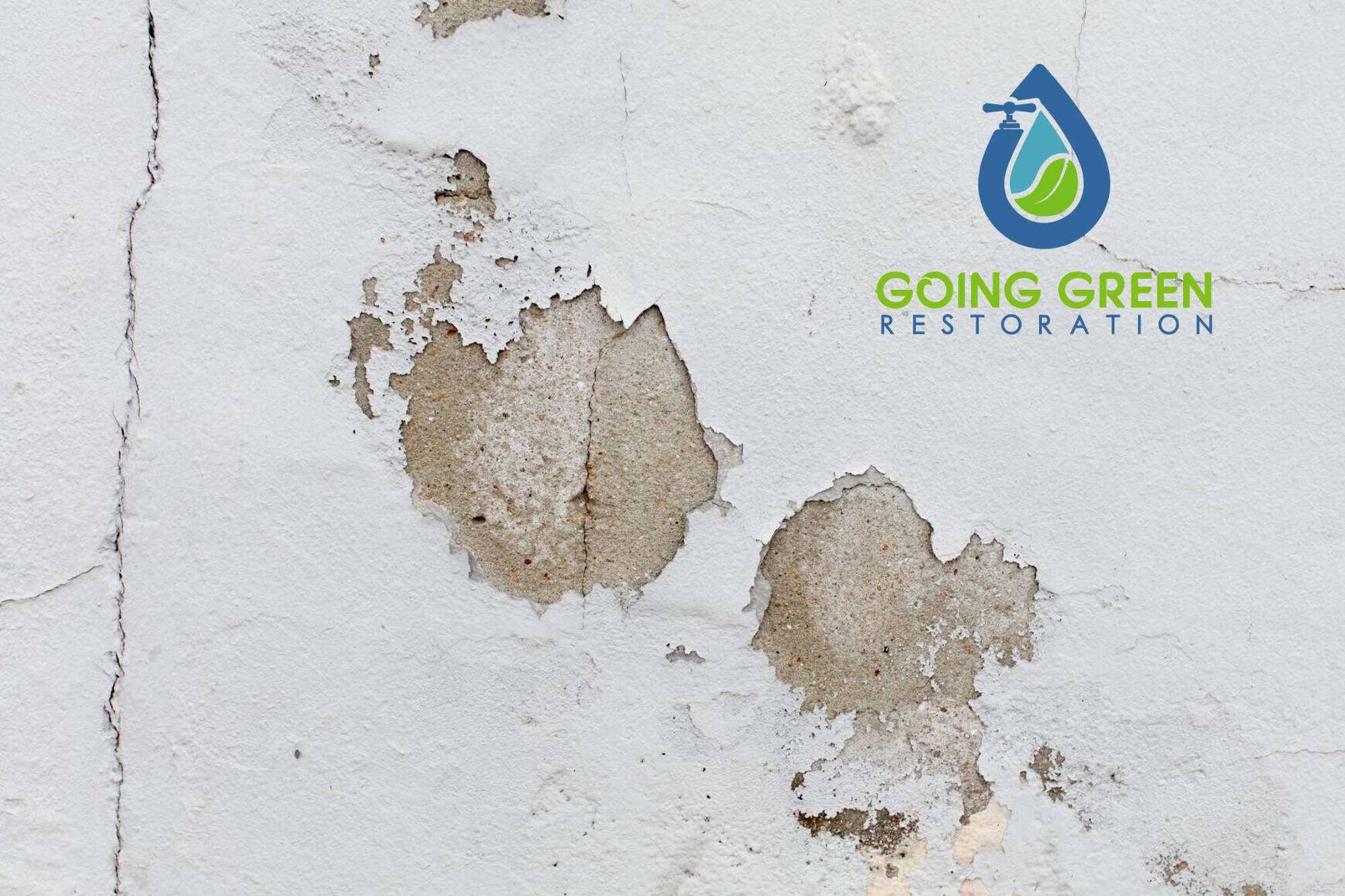
Water damage is one of the most common triggers for mold growth in Orlando properties. Flooding, burst pipes, roof leaks, storm intrusion, and appliance failures introduce moisture into building materials where it can remain trapped for extended periods. If water damage is not properly addressed, mold can begin growing within 24 to 48 hours.
Once mold is present, it spreads primarily through microscopic spores. These spores travel easily through the air and can be carried by airflow, foot traffic, or disturbed materials. HVAC systems are a particularly effective distribution method, allowing mold spores to move from one room to another quickly.
Improper cleanup after flooding significantly increases the risk of mold spread. Without professional drying, water can remain inside walls, beneath flooring, and within insulation. This is why calling our team for Orlando Flood Damage Repair is critical following any water intrusion event.
DIY cleanup efforts often worsen the situation. Removing wet materials without containment or air filtration releases spores into unaffected areas. Over time, mold colonies may develop in multiple rooms, closets, or even inside ductwork.
We use containment barriers, negative air pressure, and HEPA filtration to prevent cross-contamination. These measures are essential for stopping mold from spreading throughout the property and protecting indoor air quality.
In Orlando’s humid climate, mold spread after water damage is fast and aggressive. Immediate, professional intervention is the best way to limit damage and reduce remediation costs.
What Is Professional Mold Remediation?
Professional mold remediation is a comprehensive, science-based process designed to safely remove mold, eliminate moisture sources, and prevent future growth.
Unlike cleaning, remediation treats mold as a contamination issue rather than a cosmetic problem.
Key Steps in Professional Mold Remediation
- Mold inspection and moisture detection
- Containment of affected areas
- HEPA air filtration
- Removal of contaminated materials
- Deep cleaning and antimicrobial treatment
- Moisture control and drying
This process is especially important in Orlando properties affected by flooding or storms, which often requires Orlando Flood Damage Repair before remediation can even begin.
Why Mold Remediation Requires Professional Equipment
Our professional mold remediation uses specialized tools that are not available to homeowners, including:
- HEPA air scrubbers
- Negative air machines
- Moisture meters and thermal imaging
- Industrial-grade dehumidifiers
These tools ensure mold spores are captured, not redistributed throughout the property.
This is why DIY cleaning often fails and why professional Orlando Emergency Mold Remediation is critical in high-risk situations.

Health Risks Associated With Improper Mold Removal
Improper mold removal can have serious consequences for indoor air quality and occupant health. Mold releases spores and microbial fragments into the air, which can be inhaled or come into contact with skin. When mold is disturbed during cleaning without proper containment, these particles become airborne and spread throughout the property.
Exposure to mold can cause a variety of symptoms, including respiratory irritation, nasal congestion, coughing, headaches, fatigue, and allergic reactions. Individuals with asthma, compromised immune systems, children, and older adults may be especially vulnerable.
According to the U.S. Environmental Protection Agency (EPA), mold remediation must include moisture control and the removal of contaminated materials, not just surface cleaning.
The Centers for Disease Control and Prevention (CDC) also emphasizes that water-damaged environments increase the risk of mold-related health issues, particularly when cleanup is delayed or improperly performed.
Improper mold removal may also worsen symptoms by increasing airborne spores. Scrubbing without HEPA filtration or containment can significantly raise spore levels inside a home or business.
Professional remediation reduces health risks by isolating affected areas, filtering air, and safely removing contaminated materials. This approach not only eliminates visible mold but also protects occupants from prolonged exposure.
Mold Cleaning vs. Mold Remediation: A Clear Comparison
Mold Cleaning
- Surface-level only
- Temporary results
- No moisture control
- High recurrence risk
Professional Mold Remediation
- Addresses hidden mold
- Removes contaminated materials
- Controls moisture sources
- Long-term prevention
For Orlando property owners, remediation is often the only option after water intrusion or flooding.
Why Emergency Response Matters
When it comes to mold and water damage, time is one of the most critical factors. The longer moisture remains inside a property, the greater the chance that mold will develop and spread. Delayed response often leads to larger affected areas, higher remediation costs, and longer restoration timelines.
Water intrusion from storms, flooding, or plumbing failures must be addressed immediately. Standing water and saturated materials create ideal conditions for mold growth within days. That’s why rapid response services like our 24/7 Emergency Restoration Orlando are essential in preventing secondary damage.
Emergency restoration professionals use industrial-grade drying equipment, moisture detection tools, and containment strategies to stop damage from escalating. These steps are not achievable through household fans or dehumidifiers alone.
The Federal Emergency Management Agency (FEMA) stresses the importance of fast water removal and drying after floods to reduce mold growth and long-term damage.
In Orlando, where storms and humidity are constant threats, emergency response isn’t optional, it’s necessary. Acting quickly can mean the difference between minor repairs and full-scale remediation.
Mold Issues in Vacation Homes and Rental Properties
Vacation homes and rental properties face unique mold risks, particularly in Orlando. Properties that sit vacant for extended periods often experience unnoticed leaks, condensation issues, or storm-related water intrusion. Without daily monitoring, moisture problems can persist long enough for mold to spread extensively.
Short-term rentals may also experience high humidity from frequent guest turnover, inconsistent ventilation, and HVAC misuse. Bathrooms, kitchens, and air conditioning systems are common problem areas.
When mold develops in these properties, it often goes unnoticed until visible growth or strong odors appear. By that point, mold may be present behind walls, under flooring, or within ductwork.
Orlando Residential Mold Remediation is critical for restoring these properties safely and protecting future occupants. Proper remediation ensures that mold is removed at the source and that moisture issues are corrected to prevent recurrence.
For property owners, addressing mold quickly also helps maintain property value, avoid guest complaints, and reduce liability risks.
Why Choosing the Right Restoration Company Matters
We know that not all restoration companies provide the same level of expertise or service. Mold remediation and water damage restoration require specialized training, equipment, and experience, especially in a climate like Orlando’s.
Choosing us as the most qualified Orlando Restoration Company ensures that mold and water damage are handled according to industry standards. Experienced professionals understand how mold behaves, how moisture travels through structures, and how to prevent cross-contamination.
A reputable restoration company offers:
- Emergency response availability
- Proper containment and filtration
- Moisture detection and drying
- Clear communication and documentation
Companies without specialized mold remediation experience may rely on surface cleaning methods that fail to solve the problem. This often leads to repeated mold growth and escalating repair costs.
At Going Green Restoration USA we combine local knowledge with professional-grade restoration practices to protect Orlando homes and businesses effectively.
When to Call for Professional Mold Removal
You should contact professionals immediately if:
- Mold returns after cleaning
- You smell persistent musty odors
- Water damage occurred recently
- Mold is visible on walls or ceilings
- The property was flooded
In these cases, our 24 Hour Mold Removal Services Orlando can prevent further damage and health risks.
Mold cleaning may hide the problem, but professional remediation solves it. In Orlando’s moisture-heavy environment, addressing water damage and mold properly protects your property, your health, and your investment.
If you suspect mold or have experienced water damage, don’t wait.
Call Going Green Restoration USA today If your home or business has water damage, flooding, or mold concerns, contact us for fast, professional help. Call now for emergency service and expert inspection. Your property deserves more than surface-level cleaning, it deserves professional restoration you can trust.
Posted on Behalf of Going Green Restoration USA