 Spanish
Stop Mold Before It Starts: Pro Tips After Minor Water Spills
Why Even Small Water Spills Deserve Serious Attention
When most Orlando homeowners think about mold, they picture major floods or hurricane damage. But the truth is, mold doesn’t need a dramatic event to start growing. A spilled glass of water, a minor appliance leak, or an overflowing sink can be enough to create the perfect breeding ground if not properly addressed.
What many people underestimate is how quickly moisture can seep into porous materials, drywall, carpeting, wood floors, and begin causing damage behind the scenes. Within 24 to 48 hours, even a small amount of water can create the conditions mold needs to thrive: humidity, warmth, and organic material to feed on.
At Going Green Restoration USA, we’ve seen how even small water events turn into expensive restoration projects simply because they weren’t dried or managed correctly. That single damp towel left on the floor or the unnoticed leak under the sink? We’ve traced mold outbreaks back to both. Moisture that lingers undetected can spread silently, affecting indoor air quality, triggering allergies, and compromising structural integrity over time.
This blog is all about taking action early, and smartly, to prevent mold before it becomes a serious issue. The key isn’t just about reacting fast, but knowing how to react. Quick cleanup, professional drying, and a keen eye for hidden moisture make all the difference in keeping your home or business safe.
Whether you’re a year-round resident, seasonal homeowner, or run a local business in Central Florida, these tips are for you. Don’t wait for a major disaster, understanding why even small water spills deserve serious attention could save you thousands in repairs and protect your health long-term.
Understanding the Mold Timeline
Mold doesn’t wait. According to the Centers for Disease Control and Prevention (CDC), mold begins growing within 24–48 hours of water exposure. That means the clock starts ticking the moment moisture hits any surface in your home or business. What feels like a minor delay in cleanup can be the window mold needs to take root.
Mold spores are microscopic and ever-present in the air, indoors and out. They’re harmless in small amounts, but when they encounter the right conditions, they multiply rapidly and become a serious problem. The longer moisture lingers, the more likely it is that mold spores, which are always present in the air, will settle and thrive.
Key mold growth factors:
- Moisture – the single most critical ingredient for mold. Even small, hidden pockets of moisture can kickstart mold development.
- Warmth – a constant in Orlando’s climate, making homes and businesses especially susceptible.
- Organic materials – surfaces like drywall, wood, carpet, and even dust provide a food source for mold colonies.
In combination, these elements create an ideal breeding ground for mold, and they’re often present after something as routine as a spill or condensation from a poorly ventilated space.
That’s why prompt response to even a minor spill is crucial. It’s not about panic, it’s about precision and prevention. Knowing what to look for, using the right drying techniques, and calling in professionals when needed can stop mold before it starts. It’s a matter of staying one step ahead.
What Happens If You Ignore a Small Spill?
Let’s say your washing machine leaks a small amount of water overnight. By morning, the floor feels dry to the touch, so you assume everything is fine. No puddles, no visible damage, nothing to worry about, right? Unfortunately, that’s exactly the kind of situation where hidden moisture can take hold and lead to bigger problems.
Even when a surface looks dry, water can linger in places you can’t see:
- Under baseboards – Water can seep behind trim and sit against drywall for days.
- In floorboards or subflooring – Hardwood and laminate floors can absorb moisture, causing warping, buckling, or mold beneath the surface.
- Inside drywall – If water wicks up the wall, the interior can become a hidden breeding ground for mold.
And the worst part? You may not know it’s happening until it’s too late. A few days later, you might notice a musty smell, a classic early warning sign of microbial activity. By then, surface cleaning isn’t enough. You’re likely dealing with hidden colonies that require professional Mold Removal Orlando services to be properly remediated.
The cost difference between drying out a spill right away and removing mold after it spreads? Considerable. What could have been a simple dehumidification job might now involve tearing out drywall, replacing flooring, and addressing indoor air quality concerns. And insurance may not always cover delayed maintenance-related damage.
Ignoring a minor spill doesn’t just risk structural damage, it compromises your health, too. Mold exposure can trigger allergies, asthma, and other respiratory issues, especially in children and older adults.
Acting fast doesn’t just save money. It protects your home, your health, and your peace of mind.
Immediate Steps to Prevent Mold After a Spill
Time is of the essence when water enters your home or business, even in small amounts. Mold doesn’t need much to take hold, and by the time you notice visible signs, the problem could already be advanced. Here’s how to act quickly and effectively to avoid mold growth and long-term damage.
Step 1: Stop and Contain the Source
Before anything else, make sure the water source is turned off or contained. Whether it’s a leaky hose connection, a running faucet, or a faulty appliance, stop the water at the source immediately.
Once the flow is halted, absorb as much water as possible using towels, mops, or a wet/dry vacuum. Don’t wait for it to evaporate, fast physical removal is critical to minimizing penetration into floors, baseboards, and walls.
Step 2: Remove Excess Water Quickly
The goal is to reduce indoor humidity and dry out all affected areas as quickly as possible. Use box fans or high-speed air movers to increase airflow across wet surfaces. Set up dehumidifiers to extract moisture from the air and accelerate drying.
If outdoor conditions allow (i.e., it’s cooler and less humid outside), open windows and doors to ventilate the space naturally. Otherwise, keep the area closed and rely on mechanical drying.
Air circulation is key, stagnant, moist environments are mold’s best friend.
Step 3: Inspect the Surrounding Area
Water rarely stays in one place. Even a seemingly contained spill can spread farther than you expect, especially in homes with uneven floors, carpet padding, or laminate flooring.
- Move furniture and area rugs to check underneath.
- Open adjacent cabinets and closets to look for moisture signs.
- Press gently on walls and baseboards to check for soft spots or swelling.
Sometimes the damage is subtle, a small blister in paint or slight warping of wood can be your first clue that water has migrated.
Step 4: Check for Hidden Moisture
Even if everything feels dry to the touch, moisture can remain inside walls, behind trim, under tile, or within subflooring. These areas are especially dangerous because they’re perfect environments for mold to grow undisturbed.
Moisture trapped in these areas may not show up until days or weeks later, when it’s already created an invisible mold colony.
This is where calling in professionals like our Orlando Water Damage Restoration team can make a major difference. We use advanced tools such as:
- Infrared cameras to detect temperature variations that signal hidden moisture
- Moisture meters to measure saturation levels in wood, drywall, and flooring
- Commercial-grade dehumidifiers and air movers to extract moisture thoroughly
Our trained technicians ensure every drop is dealt with properly, so you don’t face a mold problem down the road. Taking these proactive steps now can save you from invasive remediation, health hazards, and expensive repairs later.
Areas in Your Home Most Vulnerable to Mold After a Spill
Not all building materials handle water equally. Some surfaces are more porous and absorbent, making them far more likely to retain moisture and support mold growth, even after small, seemingly harmless spills. Understanding where mold is most likely to develop can help you take faster, more targeted action.
High-risk materials and spaces include:
- Carpet and padding: These materials are notorious for trapping water deep within their fibers. Even with surface drying, moisture can remain underneath, creating a prime environment for mold. If not dried quickly and thoroughly, the padding beneath can begin growing mold within 48 hours.
- Drywall and baseboards: Drywall acts like a sponge, pulling moisture upward through capillary action. Once wet, it becomes extremely difficult to dry without removing and replacing it. Baseboards can conceal damage and allow mold growth behind walls where it’s hidden from view.
- Wood and laminate flooring: These materials are particularly vulnerable because they can warp, cup, or buckle when exposed to water. Laminate floors may appear fine on the surface, while water seeps between layers and becomes trapped underneath, invisible but dangerous.
- Cabinetry: Especially under sinks and around appliances, cabinets can collect slow leaks that go unnoticed for weeks. The wood or particleboard used in cabinetry is highly absorbent and can deteriorate quickly in the presence of moisture, providing mold with ample nutrients to grow.
In commercial spaces, similar risks apply to:
- Drop ceilings: Common in office and retail environments, drop ceiling tiles are lightweight and porous, meaning they absorb moisture easily from roof leaks, pipe condensation, or HVAC malfunctions. Once wet, they often need to be replaced entirely.
- Wall partitions: Many office partitions use porous materials or fabric finishes that can absorb and retain moisture from nearby spills or leaks. Mold can grow internally, spreading unnoticed until it becomes a widespread problem.
- Carpeted office flooring: Much like in residential settings, commercial carpet and underlayment trap moisture and slow down drying times, especially in areas with limited ventilation, like conference rooms or storage spaces.
By identifying these high-risk areas early, you can prioritize inspections and drying efforts where they matter most. If you’re dealing with any of these materials after a spill, don’t rely on touch alone, consider bringing in experts like our Orlando Water Damage Restoration team to evaluate and address hidden moisture before mold has a chance to grow.
Best Practices for DIY Cleanup (When Safe to Do So)
Sometimes, a spill is small enough to handle on your own, if you act fast and follow proper steps:
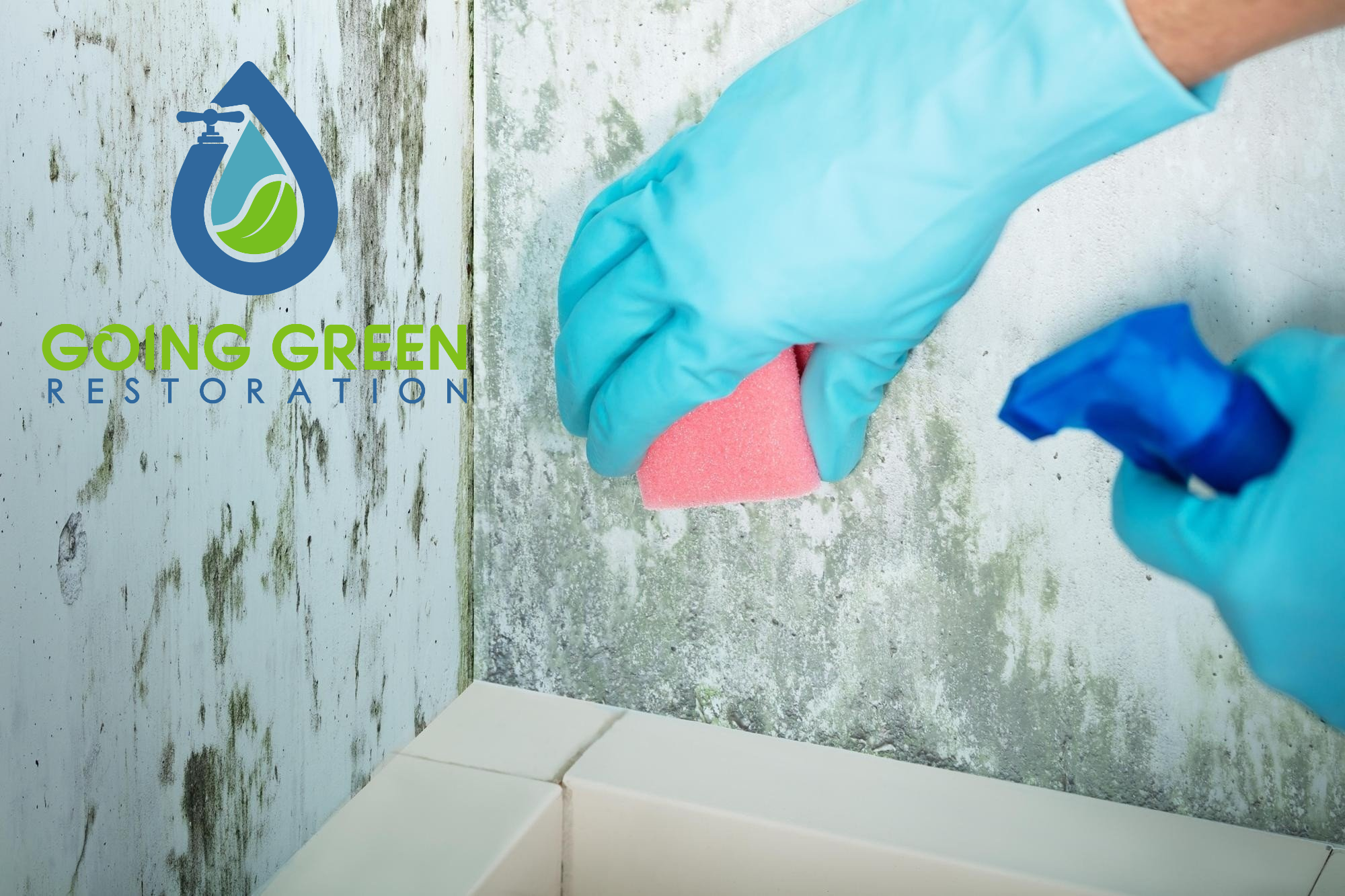
- Always wear gloves and a mask to avoid contact with contaminants.
- Remove rugs and soft materials to air dry separately.
- Use fans and a dehumidifier for at least 24–48 hours.
- Avoid bleach on porous materials, it may not penetrate deeply enough and can worsen mold.
Monitor the area for several days. If odors persist or discoloration appears, call professionals immediately. That’s when 24 Hour Mold Removal Services Orlando should be contacted to prevent the problem from spreading.
When You Need a Professional Response
If you’re dealing with a recurring leak, a spill in a hard-to-reach area, or signs of mold like odor or visible spots, don’t wait. Our trained technicians offer:
- Moisture mapping and detection tools
- Air scrubbers and HEPA filtration
- Thorough drying and dehumidification
- Full documentation for insurance claims
These are included in our Orlando Water Clean Up & Restoration services, designed to address everything from minor water incidents to full-scale emergencies.
And because timing is everything, our 24/7 Emergency Restoration Orlando team is ready around the clock.
Vacation Homes and Rental Properties: Mold Risks Multiply
Orlando is a hotspot for vacation homes and short-term rentals, and for good reason. The tourism economy is strong, the climate is beautiful, and investment properties are in high demand. But owning a home that isn’t occupied year-round brings its own set of responsibilities, especially when it comes to mold prevention.
The reality? Unattended homes are more vulnerable to water damage and hidden mold growth. Even minor leaks or elevated humidity levels can cause major problems when no one is around to notice or respond in time.
Why absentee ownership increases mold risk:
- Small leaks go unnoticed for days or weeks
A leaking dishwasher hose, toilet seal, or AC condensate line can silently drip and spread moisture without triggering any alarms, especially if the home is vacant. - High indoor humidity builds without AC management
Turning off the air conditioning during off-season stays might save on energy bills, but it allows humidity to rise unchecked. Without proper climate control, condensation can form on walls, ceilings, and windows, all prime spots for mold. - Guests may not report minor water incidents
Short-term renters may overlook, ignore, or simply fail to mention spills, overflows, or small leaks. By the time the cleaning crew arrives, the damage may already be progressing beneath the surface.
Smart prevention for vacation property owners:
- Install leak detection sensors
These Wi-Fi-enabled devices alert you immediately when a water leak is detected under sinks, near appliances, or in basements, even if you’re hundreds of miles away. - Program your HVAC to control humidity
Set thermostats to maintain moderate temperatures and activate dehumidification. Many smart thermostats allow remote access so you can monitor and adjust settings based on weather conditions. - Schedule regular inspections during off-season
Hire a local property manager or trusted contractor to perform monthly checks for signs of leaks, musty smells, or condensation. Preventative oversight is one of the best investments you can make.
The cost of prevention is a fraction of what Orlando Residential Mold Remediation could run if mold takes hold. Once it spreads behind walls or beneath flooring, you’re looking at far more than just cleanup, repairs, health assessments, and even property devaluation can follow.
If you own a vacation rental or part-time residence in Central Florida, taking proactive mold prevention steps now can save you major expenses and stress later.
Orlando Weather and Why It Matters
When it comes to mold prevention, location truly matters, and Orlando’s weather makes our region one of the most mold-prone in the country. Understanding the local climate’s impact on moisture control is essential for every homeowner, property manager, and business owner in Central Florida.
Here’s why our environment is especially challenging:
- High humidity year-round
Orlando’s relative humidity often hovers between 70–90%, creating an ideal environment for mold spores to settle and grow. Even with air conditioning, indoor spaces can retain moisture if not properly ventilated or dehumidified. - Frequent summer downpours and hurricanes
Sudden thunderstorms, tropical storms, and hurricanes are all part of living in Florida. Even if your property avoids direct flooding, heavy rains can lead to roof leaks, clogged gutters, or ground seepage, all of which can introduce hidden moisture into your structure. - AC condensation in older homes
Many older properties in Orlando still rely on outdated HVAC systems or poorly insulated ductwork, leading to condensation buildup around vents and inside walls. If left unchecked, this constant drip of moisture can quietly support mold growth year-round.
The Federal Emergency Management Agency (FEMA) identifies Central Florida as a high-risk area for flood-related mold growth, not just because of extreme weather events, but also due to the region’s consistent humidity and aging infrastructure. That makes a strong case for vigilance, even when the water intrusion seems small or inconsequential.
Being proactive about moisture control isn’t just smart, it’s essential. Regular inspections, prompt spill response, and professional evaluations after any water event can save you thousands in future repairs, not to mention protecting the health of those who live or work in your building.
Health Effects of Mold: More Than Just Allergies
The U.S. Environmental Protection Agency (EPA) confirms that mold exposure can worsen conditions like asthma, respiratory infections, and allergic reactions. Children, seniors, and immunocompromised individuals are especially vulnerable.
Common symptoms include:
- Chronic coughing or sneezing
- Skin irritation
- Shortness of breath
- Eye or throat discomfort
If any of these symptoms coincide with a recent water incident in your home, it’s time to call a trusted Orlando Restoration Company right away.
Your Mold Prevention Action Plan
When it comes to mold, prevention always costs less than remediation. By following a proactive approach, you can protect your property, indoor air quality, and peace of mind, especially in Central Florida’s warm, humid environment where mold growth can accelerate quickly.
Here’s a streamlined, effective action plan to minimize your risk after even the smallest water spill:
- Respond immediately to spills, no matter how minor.
Don’t wait to see if it dries on its own. Whether it’s a tipped-over plant, a pet’s water bowl, or a leaky pipe, act fast. Every minute counts when preventing mold. - Use fans and dehumidifiers right away.
Increase air circulation and remove excess humidity to speed up the drying process. Focus airflow directly on wet surfaces, and use a dehumidifier to pull moisture from the air. - Check surrounding areas for hidden moisture.
Inspect under rugs, behind furniture, inside cabinets, and along baseboards. Moisture can travel under flooring or behind walls before becoming visible. If you’ve had previous water issues in the same area, be extra cautious. - Monitor for musty smells or visible signs for 1–2 weeks.
Mold may take several days to become detectable. Keep an eye (and nose) out for discoloration, soft spots, or persistent odors, especially in high-risk areas like drywall, carpet, and cabinetry. - Contact professionals if you suspect mold or moisture retention.
When in doubt, bring in trained experts like our Orlando Water Damage Restoration team. We use industry-grade moisture detection tools, thermal imaging, and structural drying equipment to identify and mitigate risks before they turn into costly problems.
By staying vigilant and following this mold prevention action plan, you can dramatically reduce the chances of long-term damage, health risks, and expensive restoration work. Prevention doesn’t just protect your home, it protects your time, budget, and health.
Stay Ahead of Mold, Call Going Green Restoration USA
Whether you’re managing a full-time residence, vacation rental, or commercial property in Orlando, it only takes one small spill to become a big mold problem. In a climate as warm and humid as Central Florida’s, even the smallest moisture event can lead to significant damage if not addressed immediately and correctly.
At Going Green Restoration USA, we specialize in helping Orlando homeowners and property managers stay one step ahead of mold with expert-level water damage response, moisture detection, and long-term prevention solutions.
Don’t wait for a minor water issue to become a costly emergency. Early intervention is key, and we’re here when you need us most.
👉 Reach out to Going Green Restoration USA today for expert, reliable help that stops mold before it starts.
We’re proud to be Orlando’s trusted choice for fast, friendly, and environmentally conscious water damage restoration and mold prevention services.
Let us help you protect your property, and your peace of mind, year-round.
Posted on Behalf of Going Green Restoration USA