 Spanish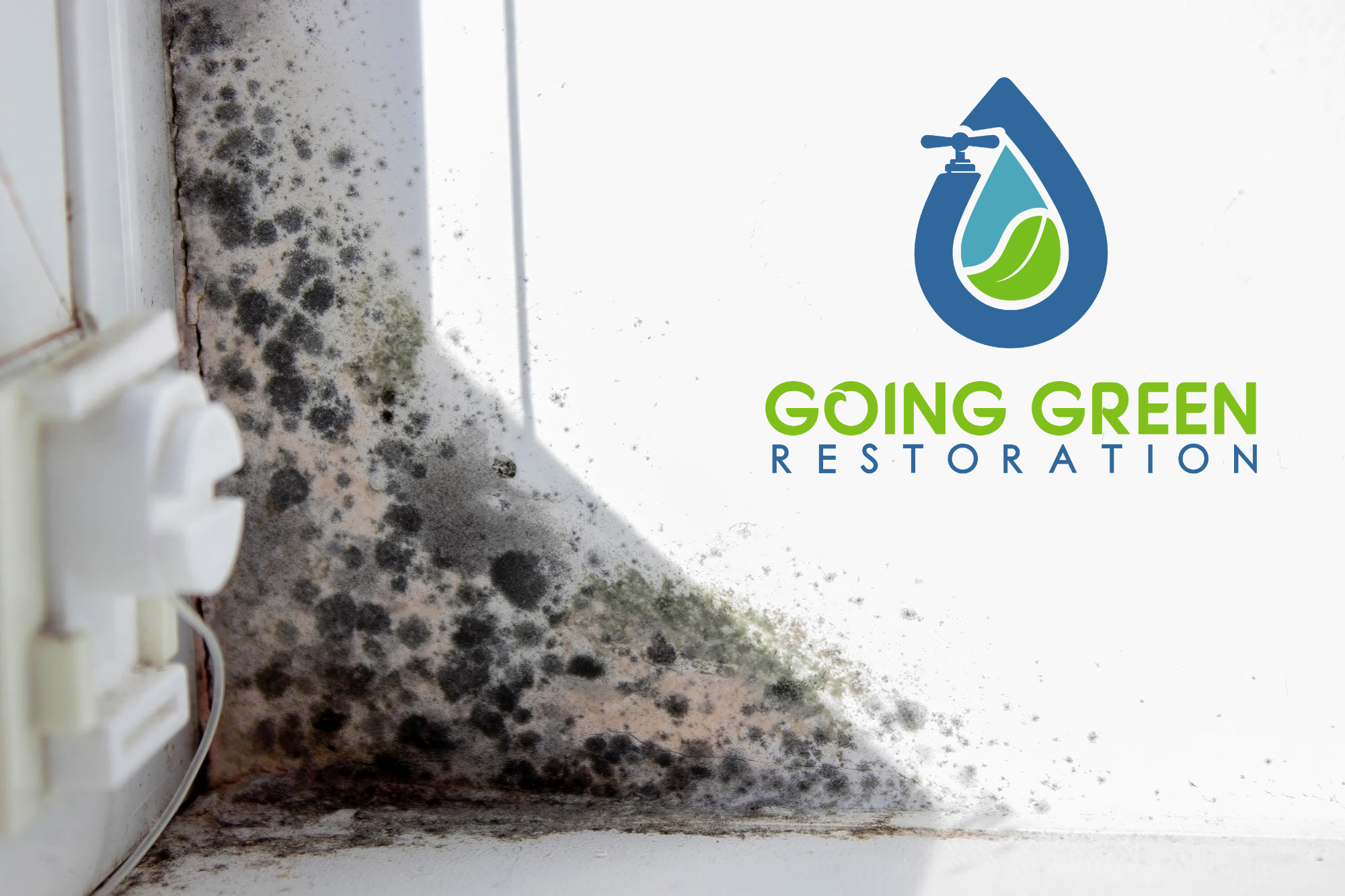
Orlando Mold Risks: How to Protect Your Home Year‑Round
Understanding Orlando’s Unique Climate Challenges
Orlando homeowners and business owners know all too well how Florida’s warm, humid climate can be both inviting and a hidden risk for indoor environments. The region’s tropical weather brings not just sunshine but also frequent rain, high humidity levels, and soaring temperatures, a combination that can wreak havoc on buildings over time.
High humidity, sudden storms, and persistent heat create ideal conditions for mold growth, especially when water damage isn’t noticed or addressed promptly. Even a small leak or brief period of excess moisture can allow spores to settle and spread quickly behind walls, under flooring, or in HVAC systems. What starts as a minor inconvenience can escalate into a major structural and health concern if ignored.
Understanding how moisture interacts with building materials, and how mold can silently proliferate, is critical for keeping properties safe and structurally sound. Materials like drywall, wood, insulation, and even certain types of flooring can absorb and retain moisture, becoming prime targets for hidden mold colonization. Left unchecked, this can compromise air quality, trigger allergies, and lead to costly repairs.
Beyond physical damage, water intrusion and mold also pose serious risks to health, especially for children, the elderly, and individuals with respiratory conditions. Mold exposure has been linked to asthma flare-ups, sinus infections, and chronic fatigue, making it essential to identify and mitigate issues early on.
In this blog, we’ll walk through the risks that water damage and mold pose to Orlando homes and businesses, how to prevent them, what to do immediately when you spot an issue, and when it’s time to contact professionals like Going Green Restoration USA for trusted, evidence‑based emergency services. By staying informed and proactive, Orlando property owners can better protect their investments and create healthier, safer indoor environments.
What Makes Orlando Especially Vulnerable to Mold
Orlando’s subtropical climate isn’t just hot, it’s humid nearly year‑round. This persistent moisture in the environment makes buildings particularly susceptible to mold-related issues. High relative humidity (often above 60%) combined with frequent afternoon thunderstorms and occasional tropical storms or hurricanes creates ample moisture in the air and built environments. These conditions make it incredibly challenging to keep indoor spaces dry, especially in older buildings or those with poor ventilation or insulation.
When moisture accumulates, whether from leaks, condensation, or flooding, mold spores find the perfect breeding ground. Mold is a natural part of the environment, but in the presence of sustained moisture and organic material like drywall or wood, it can multiply rapidly and invisibly behind surfaces. For property owners in Orlando, even well-maintained buildings can experience sudden mold outbreaks if a storm or HVAC issue goes unnoticed.
Key environmental risk factors in Orlando:
- High humidity levels: Even without visible water, indoor humidity above 60% supports mold growth. Mold doesn’t need standing water to take hold, air that is too humid can seep into porous materials, like ceiling tiles, wallpaper, and carpet padding, fueling mold development.
- Stormwater infiltration: Severe weather often leads to roof leaks or ground water intrusion. Orlando’s frequent thunderstorms and tropical storm activity mean that roofs, windows, and foundation areas are regularly tested by water. If seals fail or drainage is inadequate, water can seep into vulnerable areas.
- Flooding from heavy rain events: Low‑lying areas and poorly graded landscaping can direct water into basements or crawlspaces. Without proper drainage systems in place, homes and commercial buildings in flood-prone zones may regularly face pooling water or damp subfloors.
- Air conditioning condensation: Without proper drainage and maintenance, HVAC systems can create hidden pools of water in walls or ceilings. Orlando’s reliance on air conditioning systems to combat year-round heat means that condensation buildup is a constant risk, especially in ducts or units without regular servicing.
Mold begins to grow on wet surfaces within 24–48 hours of water exposure. This short window makes it vital for Orlando homeowners and businesses to act immediately at any sign of water intrusion. If the source isn’t identified and water isn’t removed quickly, microbial growth can escalate rapidly, threatening property integrity and indoor air quality.
Unchecked mold issues can also lead to more than just property damage, they can become health hazards. The combination of environmental conditions and structural vulnerabilities makes it essential for Orlando residents to understand the warning signs and act fast to mitigate risk.
Why Water Damage Can Turn Into a Mold Emergency
Unaddressed water damage doesn’t just cause cosmetic concerns, it undermines the very structure of your home or business. Wood framing, drywall, insulation, and carpet can absorb water and deteriorate while providing nutrients for mold. This is why understanding the timeline of water intrusion is crucial:
- Immediate (0–24 hours): Water begins to spread into porous materials.
- Short‑term (24–72 hours): Microbial growth becomes visible; odors emerge.
- Longer‑term (72+ hours): Mold colonies can be established, releasing spores into the air and weakening building materials.
This is why swift action is vital. If you experience flooding or leakage, contacting professionals who specialize in Orlando Water Damage Restoration ensures that water removal, drying, and dehumidifying are done correctly, minimizing the chance of mold growth.
For resources on water’s health impacts and recommended cleanup procedures, see the Centers for Disease Control and Prevention (CDC).
Orlando Mold Risks: Where It Grows and Why It Matters
Common Mold Zones in Homes and Businesses
Mold isn’t picky, but it is opportunistic. Anywhere moisture collects, visible or hidden, can become a mold hotspot if humidity and water aren’t managed.
High‑risk areas include:
- Bathrooms and kitchens: Steam, plumbing leaks, and lack of ventilation.
- Basements, crawlspaces, and garages: Poor airflow and ground moisture seepage.
- Attics: Roof leaks and poor insulation create condensation.
- Behind walls: Hidden leaks from plumbing, AC drains, or rooflines.
Because mold feeds on organic materials and thrives in damp conditions, even small leaks can expand into costly infestations if residents dismiss early warning signs.
Health Impacts of Mold Exposure
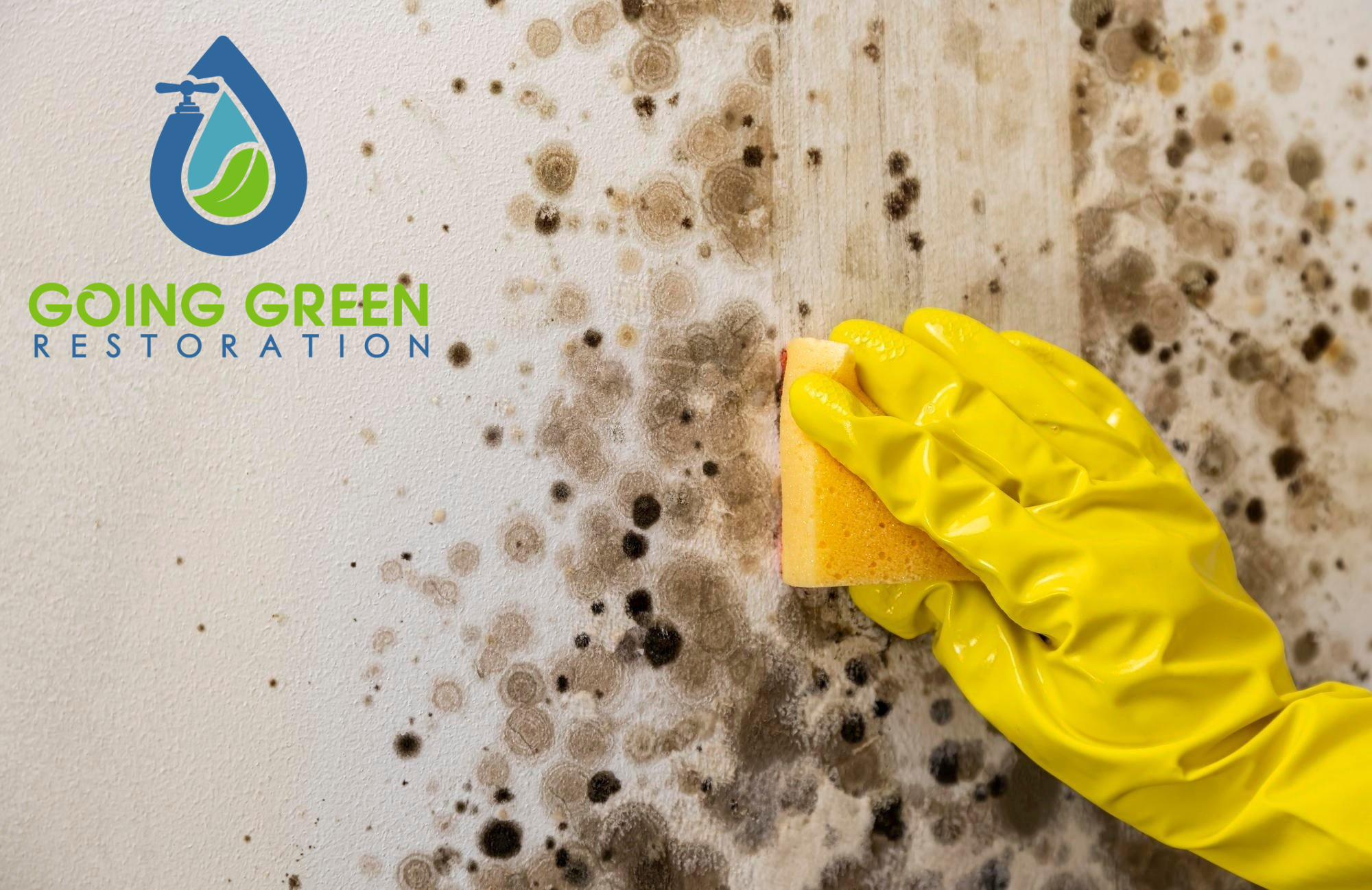
Mold can significantly affect indoor air quality and health, particularly for children, seniors, and those with respiratory conditions. Typical symptoms from significant mold exposure include:
- Persistent coughing or sneezing
- Throat irritation
- Nasal congestion
- Skin irritation
- Worsening asthma symptoms
For clear guidelines on mold and moisture control, the U.S. Environmental Protection Agency (EPA) offers expert guidance on how to assess and remediate mold issues.
Practical Prevention: Minimizing Mold Risk Year‑Round
Keep Indoor Humidity In Check
Since prolonged humidity above 60% encourages mold, controlling moisture is essential, not just after a storm or leak, but as part of everyday home and facility management. In Orlando, where the climate naturally pushes indoor humidity higher, consistent monitoring and moisture control strategies are key to mold prevention.
- Use dehumidifiers in high‑risk spaces: Basements, attics, laundry rooms, and other poorly ventilated areas are common moisture traps. A well-sized dehumidifier helps regulate air moisture, particularly in months with high ambient humidity.
- Run bathroom and kitchen exhaust fans during and after use: Daily routines like showering or cooking add significant moisture to the air. Ventilation fans are your first line of defense in these moisture-prone areas, especially when used consistently.
- Maintain air conditioning to keep indoor levels balanced: AC systems do more than cool air, they help remove moisture. Ensure filters are changed regularly, drip pans are emptied, and that the system is operating at optimal efficiency to keep relative humidity in check.
- Monitor humidity with a hygrometer to catch spikes early: These inexpensive tools provide real-time readings of indoor humidity. Place them in areas where humidity is likely to rise and set alerts to trigger preventive actions before conditions support mold growth.
When humidity stays below recommended thresholds, mold spores struggle to settle and multiply. Daily diligence, like drying wet surfaces, reducing indoor moisture sources, and ensuring good airflow, is often what stands between a healthy building and a mold-prone one.
Seal and Maintain the Building Envelope
Water doesn’t have to pour in to create problems. Even tiny cracks in foundations or walls can let moisture wick inside where it’s unseen. In Orlando, the near-constant humidity and frequent storms put homes and commercial buildings at greater risk for slow, silent water intrusion.
Key actions include:
- Inspecting roofs for missing shingles or cracked flashing: Roofs are a primary defense against the elements. Regular inspections, especially after heavy weather, help detect and prevent leaks before they create interior damage.
- Sealing windows, doors, and foundation cracks with weather‑proof caulk or sealant: Tiny gaps around window frames or door sills can let humid air and rainwater in. Sealing these points protects your interior from unwanted moisture, drafts, and pests.
- Ensuring gutters and downspouts divert water away from structures: A clogged or misaligned gutter system can cause rain to pour directly against a building’s foundation, creating long-term issues with seepage, erosion, or mold.
These simple steps help protect against water intrusion before it becomes a larger issue. Preventive maintenance not only saves on future repairs but also contributes to healthier indoor environments by minimizing moisture pathways.
Landscape and Grading Controls
Improper grading can send rainwater toward a home, not away from it. In a city like Orlando, where sudden downpours are common, ensuring your landscaping works with water rather than against it is a smart, long-term strategy.
Improve outdoor water management:
- Ensure soil slopes away from the foundation: A gentle grade around the perimeter of your home helps rainwater naturally flow away from the structure, rather than pooling near walls or under the house.
- Install French drains or swales in poorly draining areas: These systems collect and redirect groundwater, reducing standing water that can soak into the ground and infiltrate basements or crawlspaces.
- Use rain barrels or dry wells to manage roof runoff: Capturing roof water at the source reduces the volume of water that must be absorbed by soil or rerouted by your gutter system. It’s also an eco-friendly way to irrigate landscaping.
Proper exterior drainage keeps water from pooling where it can weaken the structure or seep into interiors. Investing in grading solutions and smart landscaping design offers strong defense against mold-prone moisture buildup.
Routine HVAC and Plumbing Maintenance
Your home’s mechanical systems are potential moisture sources if not maintained. In fact, HVAC and plumbing issues are among the most common hidden contributors to indoor mold in Orlando properties.
- Clean AC drip pans and drain lines: These components collect and redirect condensation. If they become clogged or damaged, water can back up and spill into ceilings, walls, or ductwork.
- Replace clogged filters regularly: Dirty filters reduce airflow and force HVAC systems to work harder, which can increase humidity levels. Regular replacements ensure better air circulation and humidity regulation.
- Schedule annual HVAC inspections: Professional servicing helps catch worn parts, drainage issues, or inefficiencies before they become moisture or air quality concerns. This is especially important in high-demand systems used year-round.
- Fix plumbing drips before they become water damage: Even a small leak under a sink or behind a wall can create enough moisture to support mold growth. Prompt repairs prevent these drips from turning into hidden mold infestations.
Keeping these systems in top shape prevents hidden moisture buildup and reduces mold risk notably. Proactive maintenance saves money in the long run, and ensures your indoor environment stays safe, healthy, and dry.
What to Do If You Spot Water Damage or Mold
Acting fast is the most critical step when dealing with water intrusion or mold growth. In Orlando’s humid environment, even a short delay can allow mold to spread rapidly behind walls, under flooring, or inside ductwork, places that are difficult to inspect and even harder to clean without professional tools.
Act Quickly and Safely
If you notice standing water, dampness, or moldy odors, stop waiting, take action now. Moisture issues don’t fix themselves, and delaying a response only increases the risk of structural damage and health hazards.
Immediate steps for water damage:
- Stop the source of water (if possible): Whether it’s a burst pipe, overflowing appliance, or roof leak, shutting off the water supply or containing the leak is the first line of defense against further damage.
- Move valuables to dry areas: Electronics, furniture, paper documents, and personal items should be relocated immediately to prevent irreversible damage. Mold can begin growing on porous materials in as little as 24 hours.
- Use fans and dehumidifiers to begin drying: Increasing airflow and reducing humidity helps slow the growth of mold. Focus on the affected area, but remember that humid air travels, so adjoining rooms may need attention too.
- Photograph damage for insurance documentation: Take clear, timestamped photos of all affected areas, including structural elements, damaged belongings, and water sources. This step is crucial for claims and future restoration planning.
But be cautious: surface drying doesn’t stop hidden moisture, and mold spores may already be settling into difficult‑to‑reach spots. Mold often grows behind walls, inside insulation, and beneath carpets, areas that may appear dry on the surface but remain dangerously saturated underneath.
That’s where professionals can make a difference. Licensed mold remediation and water restoration experts not only have the tools to detect hidden moisture with infrared cameras and moisture meters, but they also understand how to safely remove contaminated materials and restore air quality. For Orlando homeowners and business owners, contacting trusted professionals quickly can mean the difference between a manageable issue and a full-blown remediation project.
If you suspect mold, especially if there’s a persistent musty smell or you’ve had past water damage, don’t wait for visible signs. Airborne spores are invisible to the naked eye, and once established, they’re tough to eliminate without specialized cleaning, filtration, and treatment.
Why Professional Response Matters
Trusted Experts in Orlando Water Cleanup & Restoration
Water intrusion and mold growth don’t just threaten property, they endanger health and safety. Going Green Restoration USA specializes in rapid, thorough response when time matters most. Their team has the training and equipment to:
- Safely extract water and floodwater
- Dry structures completely using industrial dehumidifiers
- Identify hidden moisture pockets
- Prevent future microbial growth
This level of comprehensive intervention avoids piecemeal fixes that leave problems behind.
24/7 Emergency Response When You Need It
When water damage strikes, it’s often not on a schedule. That’s why dependable 24/7 Emergency Restoration Orlando services are critical, storms and leaks don’t wait for business hours.
Whether it’s a burst pipe in the middle of the night, a sudden rainstorm, or floodwater after a hurricane, rapid response reduces:
- Structural weakening
- Mold proliferation
- Costly future repairs
Mold Inspection, Removal, & Long‑Term Prevention
Professional Mold Assessment
Mold isn’t always obvious. Professionals use specialized tools like moisture meters, infrared cameras, and air quality sampling to detect issues that homeowners might miss. Accurate diagnosis means effective treatment, not guesswork.
Thorough Mold Removal and Remediation
If mold is found, remediation goes beyond visible cleanup. It involves:
- Containment to prevent spore spread
- HEPA vacuuming of affected areas
- Removal of contaminated materials
- Sanitization to inhibit regrowth
For trusted remediation services backed by years of experience, consider 24 Hour Mold Removal Services Orlando and Orlando Residential Mold Remediation options, professionals trained to restore safety and peace of mind.
Real Estate, Vacation Homes, and Seasonal Residents
Why Orlando Vacation Properties Need Special Attention
Orlando’s many vacation rental homeowners face unique risks:
- Long periods of vacancy allow moisture to build undetected.
- Rental traffic introduces humidity and spills that may go unnoticed.
- Seasonal storms can inflict damage while owners are away.
Regular inspections, humidity monitoring, and professional check‑ups before and after peak travel seasons help keep properties safe, renter‑ready, and mold‑free.
Tips for Absentee Owners
- Install programmable HVAC systems to manage humidity when the unit is unoccupied.
- Check for leaks after each heavy storm.
- Use smart sensors that alert you to water leaks or high humidity remotely.
These practices save money and stress over time, and make properties more appealing to renters.
Dealing With Flooding After Severe Weather
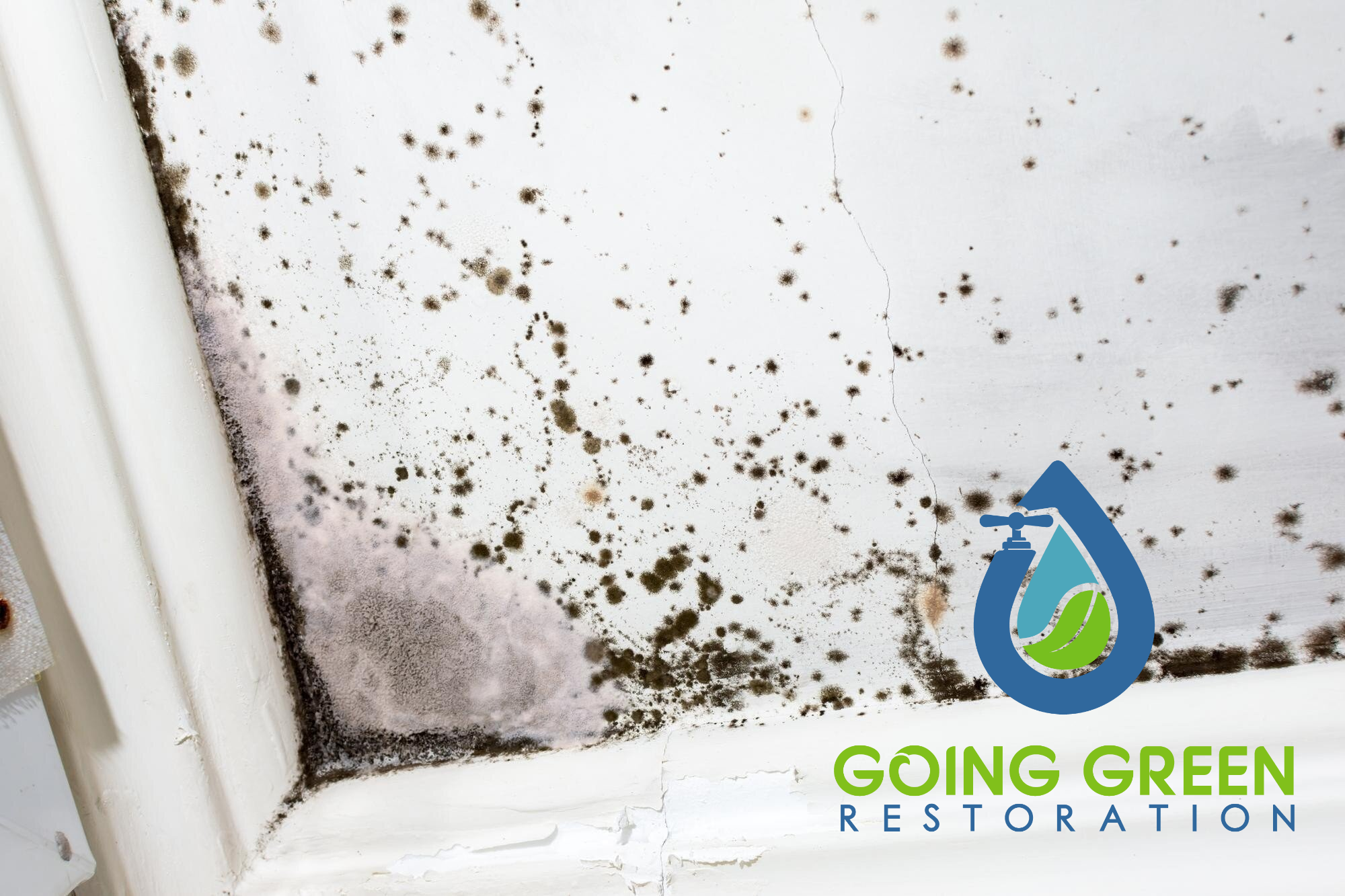
Orlando’s storm season can bring heavy rain and wind, and with them, flooding. When floodwater enters a property, the risk of mold becomes immediate. Floodwater carries contaminants, and even after pumping out standing water, moisture remains in walls and floors.
For extensive events like this, experienced Orlando Flood Damage Repair professionals are essential. They have:
- High‑capacity water extraction tools
- Industrial drying systems
- Expertise in sanitizing contaminated surfaces
Additionally, for credible and actionable information on preparing for and responding to flood events, the Federal Emergency Management Agency (FEMA) provides guidance on flood mitigation and recovery.
Making a Plan: Emergency Preparedness You Can Act On
Create a Response Checklist
To be ready before a problem becomes a disaster, build an actionable plan:
- Know your home’s water shut‑off points.
- Keep essential restoration contacts saved and accessible.
- Have dehumidifiers and fans on hand.
- Maintain insurance information and photo records of your property.
Educate Everyone in the Household
Ensure that family members or property managers know:
- Where to look for early signs of leaks or mold
- How to shut off water sources
- When it’s necessary to call for professional help
A prepared household responds more quickly and avoids costly delays.
Why Choosing a Trusted Orlando Restoration Company Matters
When water, mold, or flood damage strikes, the decisions you make in the first hours affect costs, outcomes, and health. Partnering with a respected Orlando Restoration Company like Going Green Restoration USA means you’re not facing the aftermath alone, you have experienced professionals working quickly to protect what matters most.
What You Should Do Next
Protecting your Orlando property from mold and water damage isn’t something to put off. The risks are real, and conditions here leave little to chance. Whether it’s summer storms, hurricane remnants, or everyday humidity, the potential for moisture-related issues is ever-present. Taking proactive steps now can save you from extensive damage, costly repairs, and health concerns down the road.
If you’re dealing with water damage, suspect mold, or want peace of mind through proactive restoration services:
👉 Contact Going Green Restoration USA today for reliable emergency support, fast mitigation, and expert care.
Their team understands the unique challenges of Central Florida’s environment, and they respond with evidence-based solutions tailored to your home or business. From immediate drying and decontamination to full-scale mold remediation and structural restoration, their certified professionals bring the tools, knowledge, and urgency your situation requires.
Don’t wait for visible damage to escalate. The longer moisture lingers, the more time mold has to grow, and the harder it becomes to eliminate. Even if you’re not sure what’s going on behind the walls or under the floors, a professional assessment can give you the clarity and confidence to move forward with the right solution.
Your home and business deserve protection that’s as dependable as Florida weather is unpredictable. Reach out now and ensure your space stays safe, healthy, and ready for whatever comes next.
📞 Call, email, or visit Going Green Restoration USA to schedule a no-obligation inspection or emergency response. You’ll be connected with trusted local professionals who prioritize your safety, and who know exactly how to protect Orlando properties from mold and water damage.
Posted on Behalf of Going Green Restoration USA