 Spanish
How to Detect Mold in Hard-to-Reach Areas After a Water Incident
Water incidents are a common reality for homeowners and businesses in Orlando, Florida. Heavy rains, hurricanes, plumbing failures, HVAC leaks, and appliance malfunctions can all introduce excess moisture into a property. In many cases, this moisture spreads far beyond the initially affected area, seeping into drywall, insulation, flooring, and structural cavities where it is not immediately visible. While visible water damage is often addressed quickly, hidden moisture can linger, creating ideal conditions for mold growth in areas that are difficult, or impossible, to see without professional tools.
Once moisture becomes trapped inside walls, ceilings, crawl spaces, or behind cabinetry, mold spores that are naturally present in the environment can activate and begin multiplying within 24 to 48 hours. This process often happens silently, with no immediate odors or surface-level warning signs. As mold growth progresses, it can compromise building materials, affect indoor air quality, and pose health risks to occupants, especially those with allergies, asthma, or weakened immune systems.
This in-depth guide explains how mold develops after a water incident, where it hides, how to detect it early, and when professional restoration becomes essential. It is designed for both full-time residents and vacation property owners who may not be present when damage first occurs. For absentee owners in particular, undetected water incidents can escalate rapidly, turning minor moisture problems into extensive mold contamination that requires specialized remediation. Understanding the connection between water incidents, hidden moisture, and mold growth is the first step in protecting property value, occupant health, and long-term structural integrity.
Why Mold Thrives After Water Incidents in Orlando
Orlando’s warm, humid climate accelerates mold growth more than many other regions in the U.S. High ambient moisture levels in the air mean that even small amounts of water intrusion can create prolonged damp conditions inside a structure. When water intrudes into a structure, mold spores, already present in the air, can begin colonizing damp materials within 24 to 48 hours, especially when airflow is limited and drying is incomplete.
Building materials commonly used in residential and commercial properties, such as drywall, wood framing, carpeting, and insulation, readily absorb moisture. Once saturated, these materials can retain water long after surface-level drying appears complete. This creates an ideal microenvironment for mold to thrive, often hidden from view behind walls, beneath flooring, or inside ceiling cavities.
High-risk factors unique to Central Florida include:
- Persistent humidity even after water extraction, which slows natural drying and reintroduces moisture into affected areas
- Storm-related roof and window leaks that allow water to enter slowly and repeatedly during heavy rains and hurricanes
- Flood-prone neighborhoods and slab foundations that trap moisture beneath flooring systems
- Seasonal property vacancies (snowbirds and short-term rentals), where water incidents may go unnoticed for days or weeks
Without prompt professional water damage intervention, moisture trapped behind walls, under floors, or above ceilings often goes unnoticed until mold becomes widespread. By the time visible staining, odors, or health symptoms appear, mold growth is frequently extensive, requiring comprehensive remediation rather than simple cleanup. In Orlando’s climate, the combination of warmth, humidity, and delayed detection makes mold a particularly aggressive and persistent problem following water incidents.
What Makes Mold in Hard-to-Reach Areas So Dangerous
Mold hidden in structural cavities is more dangerous than visible surface growth for several reasons:
- It spreads undetected for weeks or months
- It compromises drywall, wood framing, insulation, and subfloors
- It releases spores into indoor air, affecting occupants’ health
- It significantly increases remediation costs if left untreated
According to guidance from the U.S. Environmental Protection Agency, mold exposure can aggravate asthma, trigger allergies, and cause respiratory irritation—especially in children, seniors, and immunocompromised individuals.
Common Hard-to-Reach Areas Where Mold Develops
Behind Walls and Drywall Cavities
Water from plumbing leaks, roof damage, or flooding often seeps into wall assemblies. Drywall absorbs moisture quickly, while studs and insulation retain it long after surfaces appear dry.
Warning signs include:
- Bubbling or peeling paint
- Soft or warped drywall
- Persistent musty odors
When these symptoms appear, professional Orlando Water Damage Restoration services are often required to open wall cavities safely and dry them properly.
Under Flooring and Subfloors
Tile, laminate, vinyl, and carpet can all trap moisture beneath the surface. Concrete slabs common in Orlando homes can also wick moisture upward, feeding mold growth underneath flooring systems.
Indicators include:
- Flooring that feels spongy or uneven
- Discoloration along baseboards
- Odors that intensify in humid conditions
In these cases, comprehensive Water Damage Repair Orlando services help prevent long-term structural deterioration.
Attics and Roof Voids
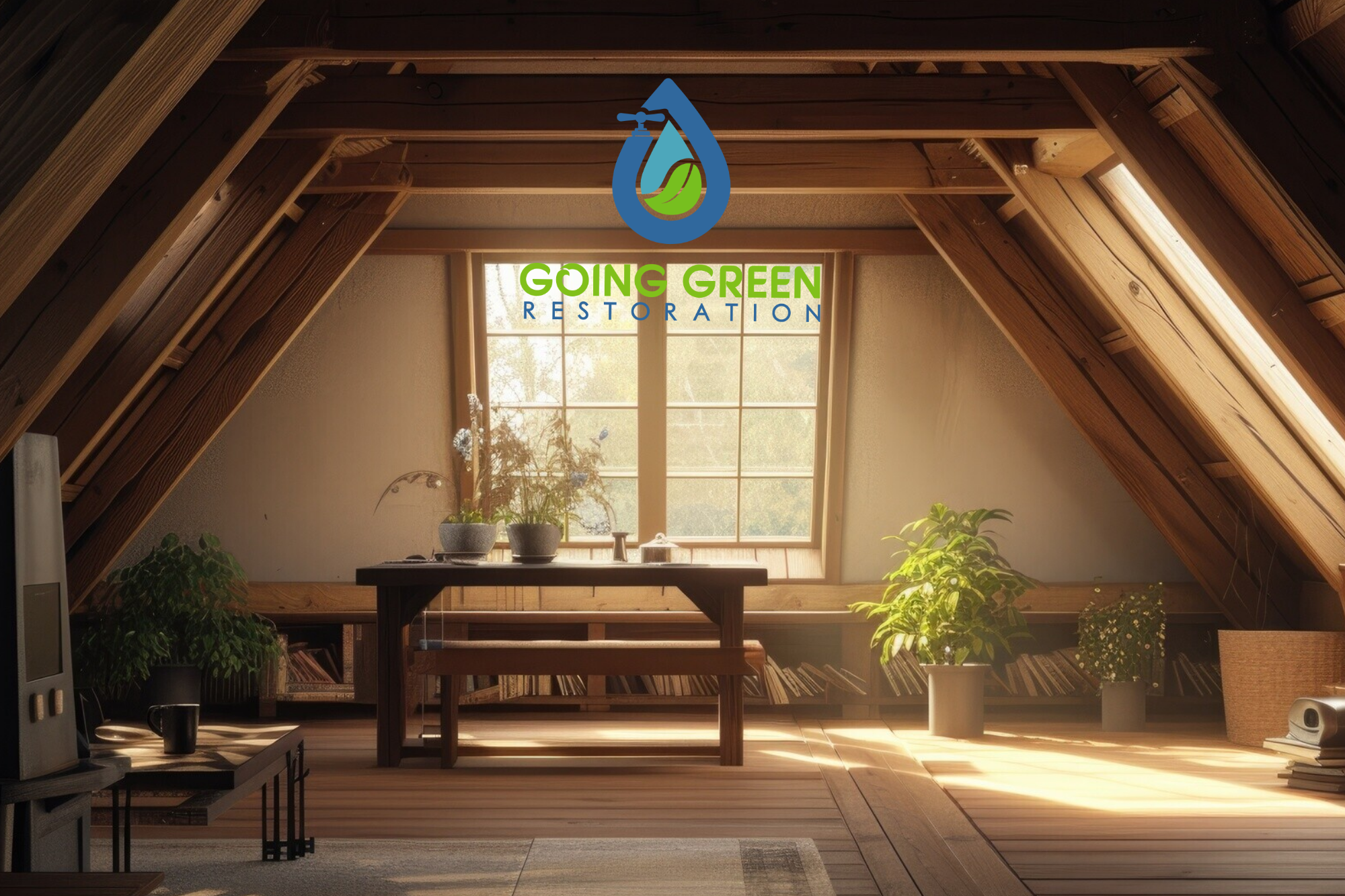
Attics and roof voids are among the most common yet overlooked areas for mold development following water intrusion. Roof leaks often go unnoticed until mold spreads across attic insulation and trusses, largely because these spaces are rarely accessed during routine property inspections. Even minor roof damage can allow water to enter slowly over time, saturating insulation and wooden components without producing visible signs inside the living areas below.
Poor ventilation worsens the issue, especially during Florida’s rainy season, when high humidity levels prevent moisture from evaporating. Warm, moist air trapped in attic spaces creates ideal conditions for mold growth on rafters, sheathing, and insulation. Once established, mold can spread rapidly, affecting air quality throughout the entire property as spores migrate through HVAC systems and ceiling penetrations.
Signs of attic mold:
- Dark staining on rafters, indicating prolonged moisture exposure
- Compressed or damp insulation that has absorbed water and lost its insulating effectiveness
- Increased indoor humidity, often caused by moisture accumulation above the ceiling
Professional assessments are essential, particularly for vacation properties that may sit unattended for extended periods. Without regular monitoring, attic mold can advance significantly before it is detected, leading to structural deterioration, higher energy costs, and more complex remediation requirements. Early inspection using professional moisture detection and air quality testing is critical to identifying attic and roof void mold before it becomes a widespread issue.
HVAC Systems and Ductwork
Condensation inside air handlers and ducts creates a prime environment for mold. Once established, spores circulate throughout the building.
Clues include:
- Moldy odors when the AC runs
- Increased allergy symptoms indoors
- Visible growth near vents
In severe cases, Orlando Emergency Mold Remediation may be necessary to protect indoor air quality.
Crawl Spaces and Utility Rooms
Crawl spaces and utility rooms are often overlooked during routine maintenance, yet they present a high risk for hidden mold growth following water incidents. Although less common in slab-on-grade homes, crawl spaces, water heater closets, and laundry rooms are frequent mold hotspots due to plumbing lines and poor ventilation. Slow leaks, condensation buildup, or minor appliance malfunctions in these areas can introduce moisture that remains undetected for long periods.
Plumbing supply lines, drain connections, and water heaters are particularly vulnerable to gradual failures that do not immediately trigger alarms or visible flooding. In enclosed utility spaces with limited airflow, moisture can accumulate on walls, flooring, and framing materials, creating conditions that support ongoing mold growth. Humidity from laundry equipment and inadequate exhaust ventilation further increases the risk.
Because these spaces are not regularly inspected, mold can spread behind walls, beneath flooring, or inside cabinets before any visible signs appear. Odors, elevated humidity, or unexplained indoor air quality issues are often the first indicators of a problem. Professional inspections using moisture meters and thermal imaging are especially important for identifying hidden mold in crawl spaces and utility rooms before structural materials or mechanical systems are compromised.

How to Detect Mold Without Tearing Into Walls
Persistent Musty Odors
Persistent musty odors are often the first indicator of hidden mold within a property, especially after a water incident. These smells are caused by microbial volatile organic compounds released as mold grows and feeds on damp materials. Even when visible surfaces appear clean and dry, mold can continue developing behind walls, under flooring, or inside insulation, producing odors that permeate indoor spaces.
Odors are often the first indicator of hidden mold. If a smell persists after cleaning and drying, deeper moisture issues may exist. Standard cleaning methods and surface-level drying rarely address moisture trapped within structural components, allowing mold colonies to remain active and continue releasing odors over time.
In many cases, occupants may notice that musty smells become stronger during periods of high humidity or when HVAC systems are running, as air movement distributes mold spores and odors throughout the property. Persistent odors should never be ignored, as they often signal ongoing moisture intrusion or incomplete drying after a water incident. Professional moisture detection and air quality assessments are critical for locating the source of the odor and preventing further mold growth before it escalates into a larger remediation issue.
Elevated Indoor Humidity
Elevated indoor humidity is a major contributing factor to mold growth, particularly after a water incident. Indoor humidity above 60% increases mold risk by creating an environment where moisture remains suspended in the air and absorbed by porous materials such as drywall, wood, and fabrics. In humid climates like Central Florida, indoor humidity can remain elevated even after visible water has been removed, allowing mold to develop without obvious warning signs.
Hygrometers can provide basic readings that help property owners monitor general humidity levels, but they do not identify where moisture is being retained within building materials. Hidden moisture behind walls, beneath floors, or inside ceilings can continue feeding mold growth even when ambient humidity appears normal.
Professionals use advanced moisture meters and thermal imaging to detect elevated moisture levels that are not visible to the naked eye. These tools allow technicians to pinpoint problem areas, track drying progress, and identify conditions that support ongoing mold growth. Addressing elevated indoor humidity through proper drying, dehumidification, and ventilation is essential to preventing mold from returning after water damage has occurred.
Health Symptoms That Appear Indoors
Health symptoms that appear only or primarily indoors are often a warning sign of hidden mold growth within a building. Unexplained coughing, sneezing, headaches, or eye irritation that improve when leaving the building may signal hidden mold growth, particularly after a water incident that was not fully dried or professionally assessed. These symptoms can fluctuate throughout the day and may intensify during periods of high humidity or when HVAC systems circulate indoor air.
Mold spores and fragments can become airborne and inhaled, triggering allergic reactions and respiratory irritation even when mold is not visible. Individuals with asthma, allergies, compromised immune systems, children, and older adults are especially vulnerable. In some cases, occupants may not immediately associate their symptoms with the indoor environment, delaying investigation while exposure continues.
The Centers for Disease Control and Prevention emphasizes that prolonged exposure can worsen chronic respiratory conditions. Continued exposure may also contribute to fatigue, sinus congestion, skin irritation, and difficulty concentrating. When health symptoms consistently improve outside the property, professional indoor air quality testing and moisture assessments are critical to identifying hidden mold sources and preventing long-term health impacts for occupants.
Recurring Surface Mold
Recurring surface mold is a strong indicator that an underlying moisture problem has not been resolved. If mold keeps returning despite cleaning, it often indicates a concealed moisture source that requires professional intervention. Surface treatments such as household cleaners or antimicrobial sprays may temporarily remove visible growth, but they do not address moisture trapped within walls, flooring, or structural materials.
Hidden leaks, incomplete drying after a water incident, or elevated indoor humidity can continuously feed mold growth beneath the surface. As moisture remains present, mold colonies regenerate and reappear, often in the same locations or spreading to adjacent areas. This cycle can persist indefinitely without proper moisture detection and remediation.
Repeated mold growth can also signal issues such as compromised building materials, failing vapor barriers, or HVAC-related condensation problems. Professional assessments use moisture meters, thermal imaging, and air sampling to identify concealed moisture sources and determine the full extent of contamination. Addressing both the moisture intrusion and the affected materials is essential to stopping recurring surface mold and preventing further damage to the property and indoor air quality.
When DIY Detection Isn’t Enough
While homeowners can identify warning signs, locating mold in hard-to-reach areas requires specialized equipment and training. Certified restoration professionals use:
- Infrared thermal cameras
- Non-invasive moisture meters
- Containment systems to prevent cross-contamination
Engaging a licensed Orlando Restoration Company ensures that detection and remediation meet industry standards.
Why Professional Intervention Matters After Water Damage
According to Federal Emergency Management Agency (FEMA) guidance, rapid response after water intrusion is critical to preventing mold growth and secondary damage.
Professional services provide:
- Immediate moisture extraction
- Structural drying and dehumidification
- Mold inspection and containment
- Documentation for insurance claims
For emergencies outside normal business hours, 24/7 Emergency Restoration Orlando services are often the difference between minor repairs and major reconstruction.
Mold Detection for Vacation Homes and Short-Term Rentals
Vacation properties face unique risks:
- Delayed discovery of leaks
- AC systems running continuously
- Limited daily inspections
Routine inspections and proactive Orlando Residential Mold Remediation planning help protect property value and guest safety.
Mold, Water Damage, and Professional Restoration Q&A
What should I do immediately after discovering water damage?
The actions taken in the first few hours after discovering water damage can significantly impact the extent of structural damage and the likelihood of mold growth. First, stop the water source if possible and ensure safety by turning off electricity in affected areas. This is especially critical if water has reached outlets, appliances, or electrical panels, as standing water and electricity pose serious safety hazards.
Once the area is safe, remove standing water if it can be done safely using pumps, wet vacuums, or absorbent materials. The faster excess water is removed, the lower the risk of moisture spreading into walls, flooring, and insulation. However, avoid using household fans or HVAC systems if mold growth is suspected, as this can spread spores throughout the property.
Avoid disturbing potential mold growth, even if it appears minimal. Scrubbing or removing affected materials without proper containment can release mold spores into the air and worsen contamination. Instead, limit access to the damaged area and document visible damage with photos or videos for insurance purposes.
Contact professionals specializing in Orlando water damage restoration as soon as possible to begin proper drying and documentation. Professional teams use industrial-grade dehumidifiers, moisture meters, and drying equipment to address hidden moisture and prevent mold development. Prompt professional intervention not only protects the structure but also supports insurance claims and reduces the risk of long-term health and remediation issues.
How can I tell if mold is present in my home?
Identifying mold in a home is not always straightforward, especially when growth is hidden behind walls, under flooring, or above ceilings. Common signs include musty odors, visible discoloration, increased allergy symptoms, and recurring surface mold. These indicators often appear gradually and may worsen over time, particularly after a water incident or during periods of elevated indoor humidity.
Musty odors are frequently the earliest warning sign, signaling active mold growth in concealed areas. Visible discoloration may appear as black, green, white, or brown staining on walls, ceilings, grout, or baseboards, though not all mold is immediately visible. Increased allergy symptoms such as coughing, sneezing, headaches, or eye irritation that improve when leaving the home can also suggest indoor mold exposure.
Recurring surface mold is another red flag, often indicating an unresolved moisture source that continues to feed mold growth beneath the surface. While cleaning may temporarily remove visible mold, it does not eliminate hidden contamination.
Hidden mold often requires professional inspection using moisture detection tools. Professionals rely on moisture meters, thermal imaging, and air quality testing to locate concealed moisture and mold activity that cannot be detected through visual inspection alone. Early professional assessment is essential to prevent mold from spreading and to protect both the structure of the home and the health of its occupants.
How long does professional water damage restoration take?
The duration of professional water damage restoration varies based on the severity of the incident and how quickly mitigation efforts begin. Minor incidents may take a few days, particularly when water exposure is limited and affected materials dry quickly. These situations typically involve small leaks or localized water intrusion that has not penetrated deeply into structural components.
More extensive damage can require one to two weeks or more, especially when water has spread into walls, flooring, insulation, or ceilings. Drying time depends on materials affected, humidity levels, and how quickly services begin. Porous materials such as drywall, wood, and carpeting retain moisture longer and require controlled drying to prevent mold growth and structural deterioration.
Environmental conditions also play a significant role. In humid climates like Central Florida, elevated moisture in the air can slow the drying process if industrial dehumidification is not properly managed. Professional restoration teams continuously monitor moisture levels using specialized equipment and adjust drying strategies as conditions change. Starting professional services as soon as possible is the most effective way to shorten restoration timelines and reduce the risk of mold development and secondary damage.
Why is quick mold removal important for my health?
Quick mold removal is essential because mold growth can begin affecting indoor air quality and occupant health long before it becomes visibly widespread. Prompt removal reduces exposure to airborne spores that can aggravate asthma, allergies, and respiratory conditions. As mold colonies grow, they release spores and microbial byproducts into the air, which can be inhaled and cause ongoing irritation or allergic reactions.
Prolonged exposure to mold can worsen existing health issues and may contribute to chronic respiratory symptoms, sinus problems, fatigue, and headaches. Children, older adults, and individuals with compromised immune systems are particularly vulnerable to the effects of mold exposure. The longer mold remains in a property, the greater the concentration of airborne spores and the higher the potential health risk.
Early remediation also prevents structural decay and higher costs. Mold feeds on organic building materials such as wood, drywall, and insulation, gradually weakening them over time. Addressing mold promptly limits damage to structural components, reduces the scope of required repairs, and helps prevent mold from spreading to additional areas of the property. Acting quickly protects both occupant health and the long-term integrity of the building.
What’s the difference between water mitigation and water restoration?
Water mitigation focuses on stopping further damage through extraction and drying. Restoration involves repairing or rebuilding damaged materials to return the property to pre-loss condition.
Can water damage lead to structural problems?
Yes. Prolonged moisture weakens wood framing, drywall, subfloors, and insulation. Over time, this can compromise structural integrity and safety.
How do I prepare for a 24/7 emergency restoration service visit?
Clear access to affected areas, document visible damage if safe, and gather insurance information. Avoid cleaning mold-affected areas yourself.
What are the most common causes of water damage in Orlando homes?
Severe storms, aging plumbing, HVAC condensation, roof leaks, and appliance failures are among the most frequent causes in Central Florida.
How does insulation play a role in water damage prevention?
Proper insulation helps regulate temperature and reduce condensation. Wet insulation, however, traps moisture and must be removed and replaced professionally.
How can I maintain my property to prevent future water or mold issues?
Schedule routine inspections, maintain HVAC systems, repair leaks promptly, control indoor humidity, and arrange professional evaluations after any water incident.
Protecting Your Property After a Water Incident
Detecting mold in hard-to-reach areas requires vigilance, awareness, and professional support. In Orlando’s climate, even minor water incidents can escalate quickly if moisture remains hidden.
Property owners are encouraged to consult trusted restoration specialists and explore comprehensive services available through Orlando Flood Damage Repair and 24 Hour Mold Removal Services Orlando. For inspections, emergency response, or long-term prevention planning, visiting Going Green Restoration USA is a proactive first step toward safeguarding your home or business.
Posted on Behalf of Going Green Restoration USA