 Spanish
Common Water Damage Myths (And What the Facts Say)
At Going Green Restoration USA, we’ve heard it all.
“It’s just a small leak.”
“It’ll dry on its own.”
“If there’s no visible mold, we’re fine.”
“Insurance will take care of everything.”
Water damage myths are incredibly common in Orlando, and unfortunately, believing them often leads to bigger repairs, higher costs, mold growth, and insurance complications.
As a trusted Orlando Restoration Company, we believe education is one of the most important services we provide. The more you understand about water damage, flood risks, mold growth, and professional restoration, the better you can protect your property.
Below, we break down the most common water damage myths we hear, and the real facts behind them.
Myth #1: “It’s Just a Little Water, It Will Dry on Its Own”
The Fact: In Orlando’s Climate, Water Rarely “Just Dries”
This is one of the most dangerous assumptions we see.
Orlando’s humidity works against natural drying. Even if visible water evaporates, moisture often remains trapped inside:
- Drywall
- Subflooring
- Insulation
- Baseboards
- Framing
In our experience performing Orlando Water Damage Restoration, surface dryness can be misleading. Without professional moisture meters, you cannot accurately detect hidden saturation.
In Florida, mold can begin forming within 24–48 hours. High humidity slows evaporation and accelerates microbial growth.
Professional drying requires:
- Industrial air movers
- Commercial dehumidifiers
- Moisture mapping equipment
- Controlled drying environments
Fans from a hardware store cannot achieve the same results.
When you call us for Orlando Water Clean Up & Restoration, we measure and monitor moisture levels daily to ensure complete drying, not just surface evaporation.
Myth #2: “If I Don’t See Mold, There Isn’t Any”
The Fact: Mold Often Grows Where You Can’t See It
Visible mold is only part of the story.
Mold commonly develops:
- Behind drywall
- Under flooring
- Inside HVAC systems
- Within insulation
- Inside cabinets
By the time you see mold on a wall, colonies may already be spreading behind it.
The U.S. Environmental Protection Agency provides detailed guidance on mold growth and remediation. Mold thrives in damp environments, and Orlando’s humidity provides ideal conditions.
We frequently perform Mold Removal Orlando after what homeowners believed was “minor water damage.”
If water intrusion is not professionally dried, mold risk increases significantly.
Musty odors, persistent humidity, and unexplained respiratory irritation are often early warning signs.
Ignoring hidden mold does not eliminate the problem, it allows it to spread.
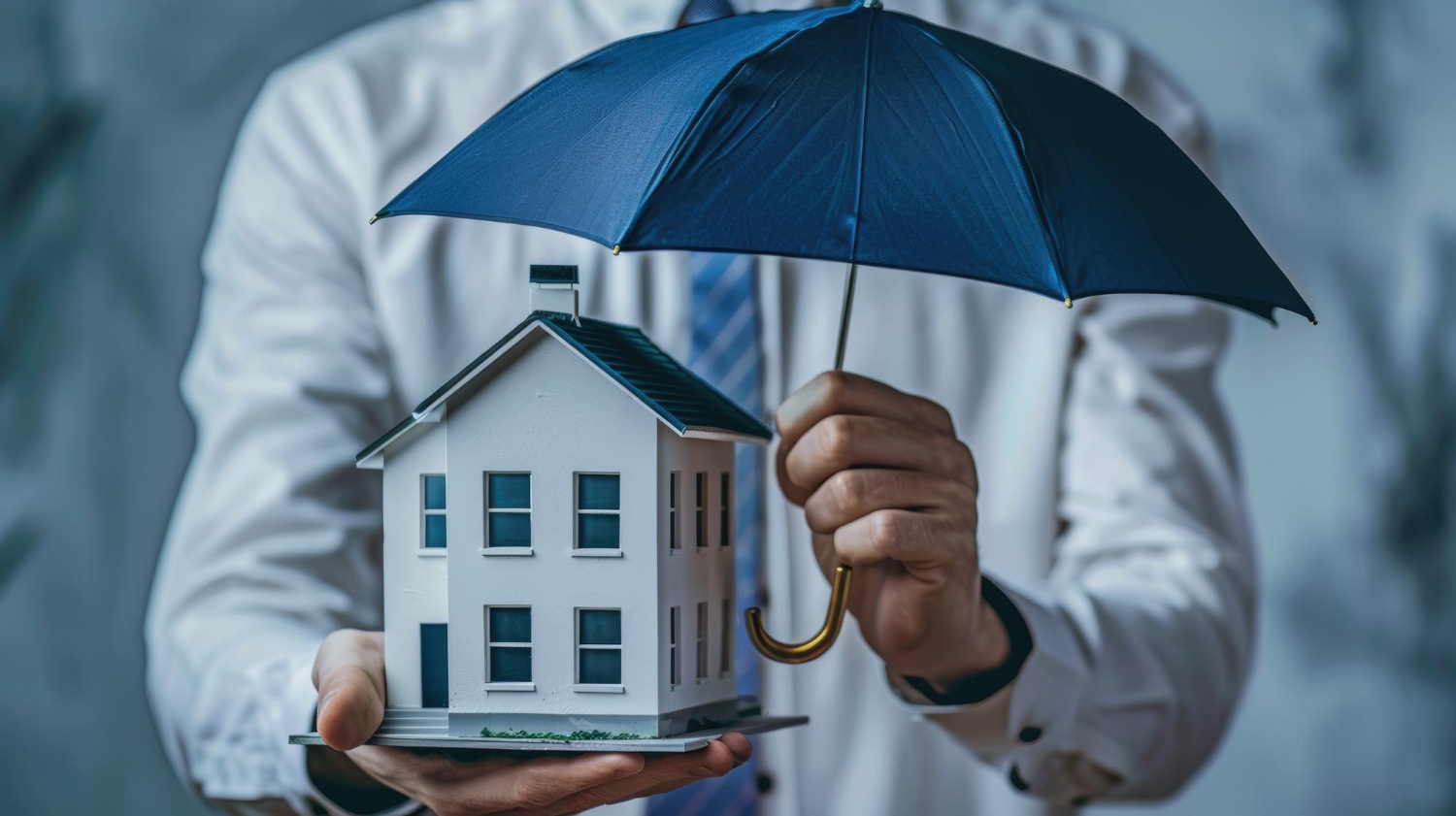
Myth #3: “Insurance Covers All Water Damage”
The Fact: Coverage Depends on the Source and Timeline
Many Orlando homeowners assume water damage is automatically covered.
The reality is more nuanced.
Typically covered:
- Sudden pipe bursts
- Appliance overflows
- Storm-related roof leaks
Often excluded:
- Gradual leaks
- Maintenance neglect
- Flooding from rising groundwater (without flood insurance)
Flood damage frequently requires a separate policy through FEMA programs.
Insurance policies also require prompt mitigation. Delaying action can reduce payouts.
When we provide Water Damage Repair Orlando, we document:
- Initial damage
- Moisture readings
- Equipment placement
- Drying progress
This documentation supports your claim and demonstrates responsible mitigation.
Waiting for an adjuster before beginning drying is one of the most common mistakes we see.
Myth #4: “DIY Cleanup Is Enough”
The Fact: Professional Equipment and Monitoring Make the Critical Difference
We completely understand why many homeowners attempt to handle water damage themselves. A wet floor, a leaking appliance, or a minor overflow can seem manageable with towels, a wet vacuum, and a few household fans. On the surface, it may even look like the problem has been resolved. However, what we consistently see in Orlando homes is that DIY cleanup only addresses what is visible, not what is happening beneath the surface.
Water migrates quickly into porous materials. It seeps beneath tile, under laminate flooring, into drywall cavities, behind baseboards, and into insulation. Without professional moisture detection equipment, there is no accurate way to determine how far the water has spread. Even if the surface feels dry, internal moisture may still be trapped inside structural components.
When we respond for Orlando Water Clean Up & Restoration, we use calibrated moisture meters and thermal imaging to map hidden saturation. We then deploy commercial-grade air movers and industrial dehumidifiers designed specifically for structural drying. Household fans simply cannot create the same airflow velocity or humidity control needed to dry framing, subfloors, and wall cavities properly.
Incomplete drying is one of the leading causes of mold growth after “minor” water incidents. The Centers for Disease Control and Prevention warns that damp environments can contribute to indoor air quality concerns (https://www.cdc.gov/mold). What begins as a small cleanup can quickly become a larger mold remediation project.
DIY efforts may appear cost-effective in the moment, but if moisture remains, long-term repair costs often increase significantly. Professional intervention ensures that drying is verified, not assumed.
Myth #5: “Floodwater Isn’t That Different from Clean Water”
The Fact: Floodwater Is Often Highly Contaminated and Requires Specialized Handling
One of the most dangerous misconceptions we encounter is the belief that floodwater is simply “rainwater.” In reality, once water contacts the ground, streets, landscaping, or sewage systems, it becomes contaminated. By the time floodwater enters a home or business, it often contains bacteria, chemicals, debris, and potentially harmful microorganisms.
When we perform Orlando Flood Damage Repair, we classify the water according to industry standards. Floodwater is typically categorized as Category 3, also known as black water. This classification means the water is considered unsafe and requires strict remediation protocols.
Unlike clean water from a supply line, contaminated floodwater often necessitates removal of porous materials such as drywall, carpeting, insulation, and sometimes cabinetry. Simply drying these materials is not sufficient. Sanitization, antimicrobial treatment, and proper disposal are critical to prevent lingering contamination and health risks.
FEMA provides extensive guidance on flood recovery and safety procedures, emphasizing the importance of professional cleanup after flood events. Exposure to untreated floodwater can pose significant health hazards.
Attempting to treat floodwater like a simple plumbing leak increases the risk of structural deterioration and indoor air contamination. Flood damage restoration is not just about drying, it is about decontamination, stabilization, and safe rebuilding. Proper classification and handling make all the difference in protecting your property and your health.

Myth #6: “Vacation Homes Are Safe If No One Is There”
The Fact: Unoccupied Properties Often Experience More Severe Damage
In Orlando, we serve many vacation property owners and seasonal residents. A common belief is that if no one is inside the home, the risk of water damage is lower. Unfortunately, the opposite is often true.
When a property sits unoccupied, small issues can continue undetected for days or even weeks. A slow leak from a supply line, an air conditioning condensate overflow, or a minor roof breach during a storm can escalate significantly before anyone discovers it. By the time the property is inspected, flooring may be warped, drywall saturated, and mold already developing behind walls.
Insurance carriers sometimes scrutinize delayed reporting in vacant homes. Without documentation of routine inspections, claims may become more complicated.
That is why we strongly recommend having access to 24/7 Emergency Restoration Orlando services, especially for vacation properties. Rapid response limits structural damage and demonstrates prompt mitigation.
Humidity is another major factor. Even without a visible leak, high indoor moisture levels can create conditions for mold growth. When water damage occurs in an unoccupied property, mold can spread extensively before anyone notices musty odors or visible staining.
Vacation homes generate income and represent significant investments. Monitoring systems, regular inspections, and a trusted restoration partner reduce the risks associated with unattended water intrusion. Absence does not eliminate risk, it often increases it.
Myth #7: “Mold Is Just a Cosmetic Problem”
The Fact: Mold Affects Both Structural Integrity and Indoor Air Quality
Mold is frequently underestimated. Many homeowners assume it is merely a surface discoloration that can be wiped away with cleaning products. In reality, mold growth often indicates deeper moisture problems and can spread far beyond what is visible.
Mold feeds on organic materials commonly found in homes, drywall paper, wood framing, carpeting, and insulation. Once moisture is present, colonies can develop within 24–48 hours. If not properly remediated, mold continues expanding into wall cavities and HVAC systems.
The U.S. Environmental Protection Agency outlines detailed standards for professional remediation procedures. These procedures include containment barriers, air filtration, and safe removal of contaminated materials.
The Centers for Disease Control and Prevention also notes that exposure to mold may contribute to respiratory irritation and other health concerns (https://www.cdc.gov/mold). While sensitivity varies, indoor air quality can decline significantly when mold is allowed to spread.
When we perform Mold Removal Orlando, we address both visible contamination and hidden moisture sources. Simply cleaning the surface does not eliminate the underlying issue.
Treating mold as a cosmetic problem delays proper remediation and increases structural damage. Professional containment and removal protect both the building and the people inside it.
Myth #8: “Water Damage Is Only a Problem During Hurricane Season”
Water damage in Orlando is not limited to hurricane season. While tropical storms and hurricanes certainly increase risk, we respond to water emergencies throughout the entire year. Pipe failures, water heater ruptures, washing machine overflows, and clogged AC drain lines occur regardless of season.
Summer thunderstorms frequently produce intense rainfall in short periods of time. Drainage systems can become overwhelmed, causing water to accumulate around foundations and seep into garages or living spaces. Even homes outside designated flood zones can experience interior intrusion during severe downpours.
During cooler months, occasional temperature shifts place stress on plumbing systems. Expansion and contraction can expose weaknesses in older pipes. Additionally, holiday travel often leaves homes unattended, allowing leaks to continue unnoticed.
Humidity is a constant factor in Central Florida. Elevated moisture levels can worsen even minor leaks, accelerating mold development. That is why we emphasize rapid Orlando Water Damage Restoration whenever water intrusion is suspected.
Water damage is not seasonal, it is environmental. In Orlando’s climate, vigilance is required year-round.
Myth #9: “If It Looks Dry, It’s Safe”
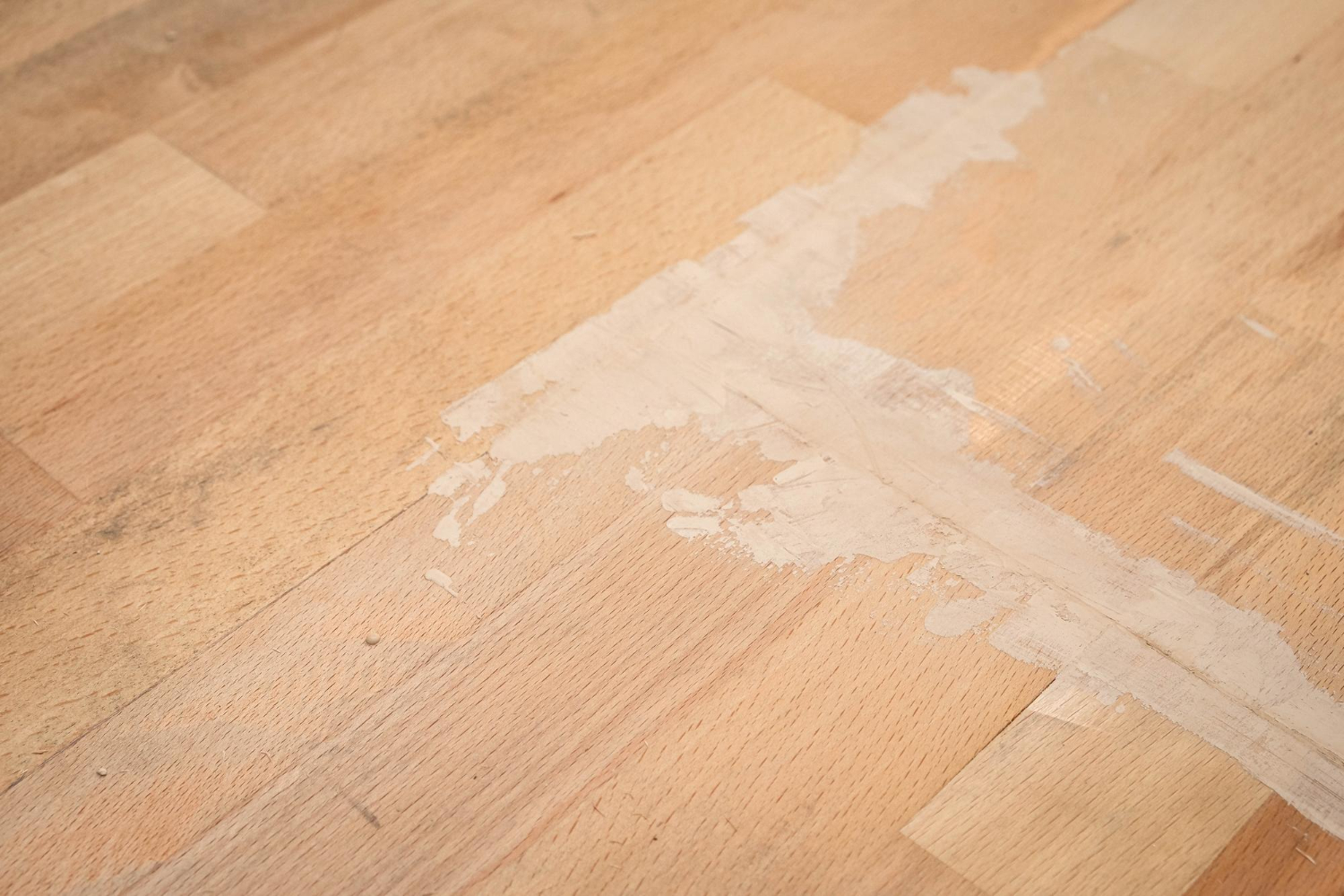
Visible dryness can be misleading. Water travels beyond the areas you can see. Subfloors may remain saturated beneath tile. Wall cavities can trap moisture long after paint appears dry. Insulation may hold water without obvious signs on the surface.
When we perform Water Damage Repair Orlando, we rely on moisture meters and thermal imaging rather than visual inspection alone. These tools allow us to identify hidden pockets of saturation that would otherwise go undetected.
Drying is not complete until moisture readings return to acceptable structural levels. Simply waiting for surfaces to feel dry does not guarantee safety. Hidden moisture can continue feeding mold growth and weakening materials.
Assuming dryness without verification increases long-term repair costs. Professional measurement ensures that the structure is truly dry, not just visibly dry.
Myth #10: “Calling Professionals Is Overreacting”
Many homeowners hesitate to call us because they worry they may be overreacting. They hope the problem will resolve on its own or appear smaller than it is. In our experience, early intervention is rarely unnecessary, but delayed intervention is often costly.
When we respond quickly, we can often save flooring, cabinetry, and drywall that might otherwise require replacement. Rapid mitigation reduces the likelihood of mold growth and shortens restoration timelines.
Professional Orlando Water Damage Restoration includes documentation, controlled drying, and continuous monitoring. These steps protect both your property and your insurance claim.
Waiting to see if a problem worsens usually means it already has. Calling early allows us to assess the situation accurately and determine the appropriate level of response. Acting quickly is not overreacting, it is protecting your investment.
Frequently Asked Questions
How quickly should I act after water damage?
Immediately. Mold can begin growing within 24–48 hours in Orlando.
Should I call insurance or restoration first?
Call us first so we can begin mitigation and document damage, then notify insurance.
Does homeowners insurance cover mold?
It depends on the cause and policy limits.
Can water damage spread even after surfaces dry?
Yes. Hidden moisture can remain inside walls and flooring.
What We Want Every Orlando Homeowner to Know
Water damage myths create hesitation. Hesitation creates escalation. In Orlando’s humid climate, small issues expand rapidly. Moisture spreads silently behind walls and beneath floors long before major symptoms appear.
We want every homeowner and vacation property owner to understand that early action protects more than just drywall. It protects indoor air quality, structural integrity, insurance eligibility, and long-term property value.
When you contact us for Orlando Water Damage Restoration or Mold Removal Orlando, we do more than dry surfaces. We inspect thoroughly, measure precisely, document professionally, and remediate completely.
Water damage does not resolve itself in Florida’s environment. Professional evaluation provides clarity, reduces uncertainty, and prevents minor incidents from becoming major reconstruction projects.
If you suspect water intrusion, flooding, or mold growth, do not rely on assumptions. Call Going Green Restoration USA immediately. Our team is available 24/7 to respond, assess, and restore.
Protect your home. Protect your business. Protect your peace of mind.
Posted on Behalf of Going Green Restoration USA